Ai Cad Generator
Transform text descriptions into precise CAD models in DWG or STL formats
CAD Model Preview
Your generated content will appear here
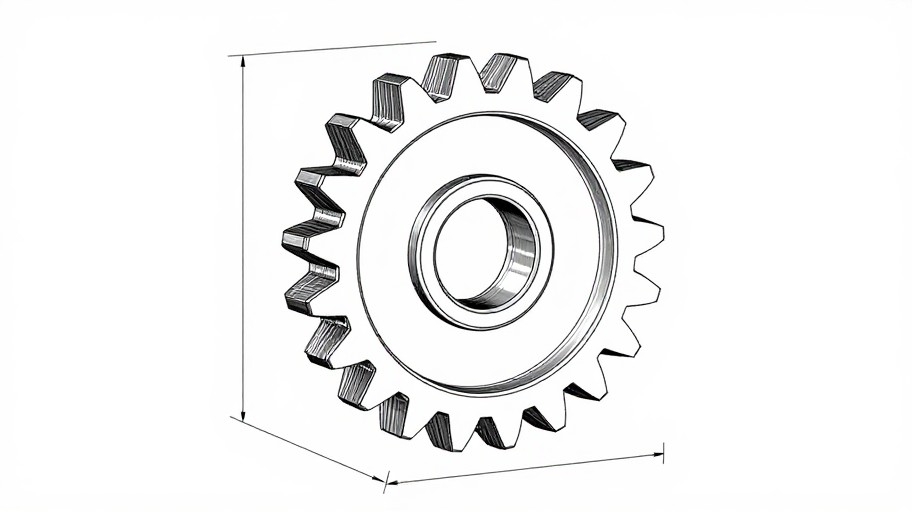
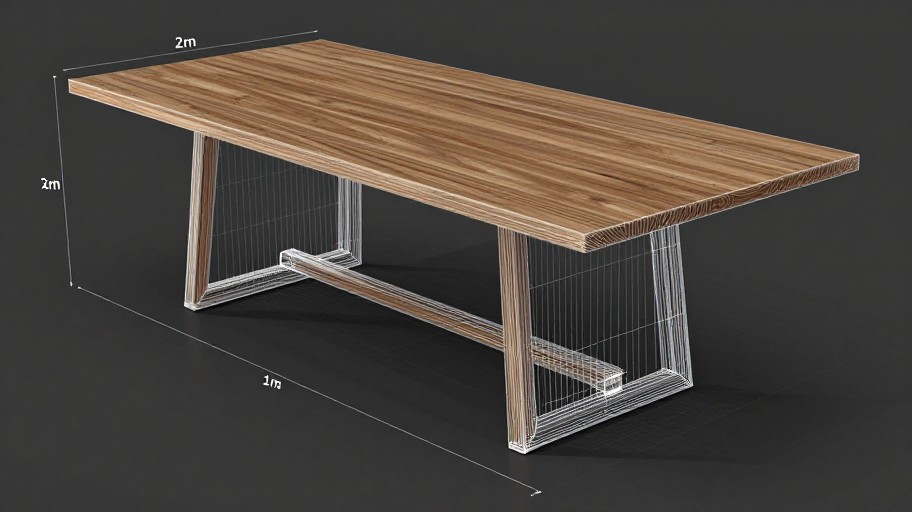
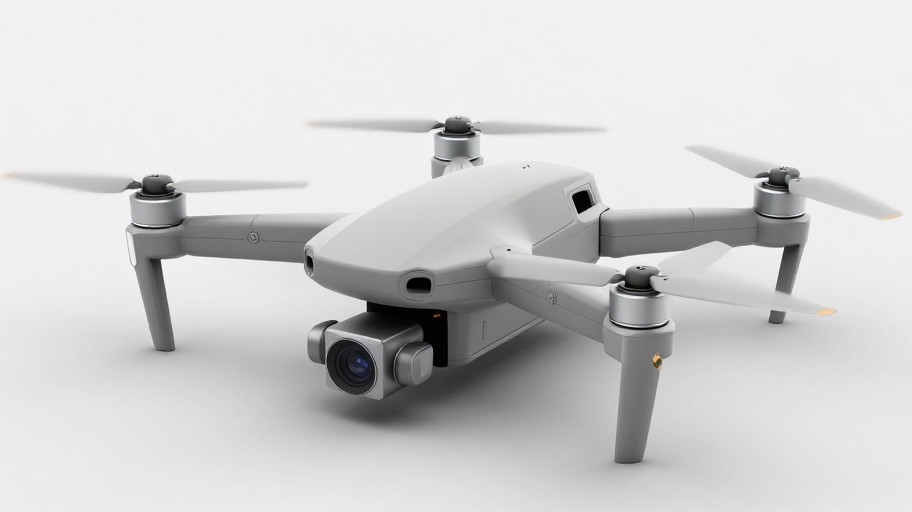
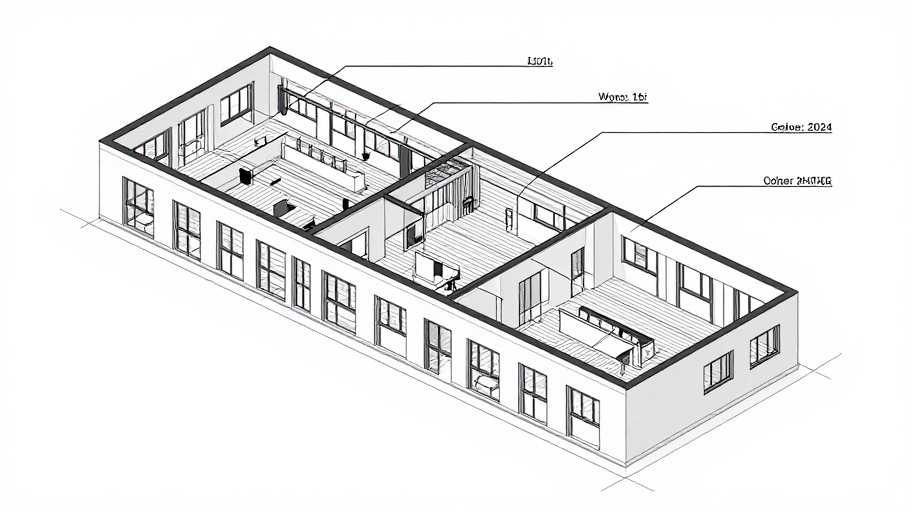
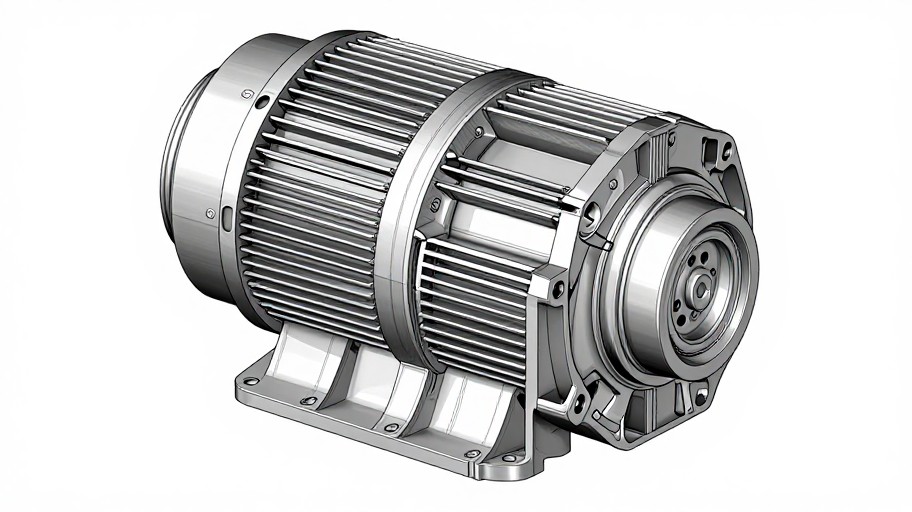
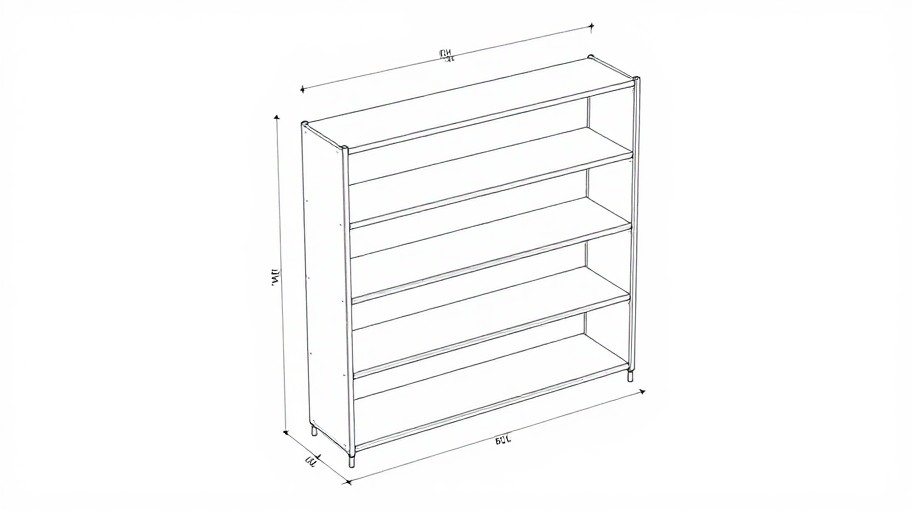
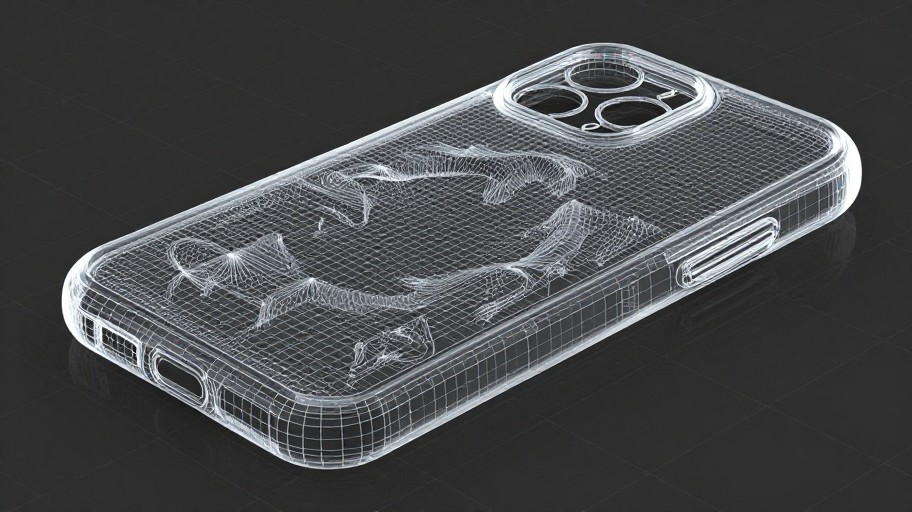
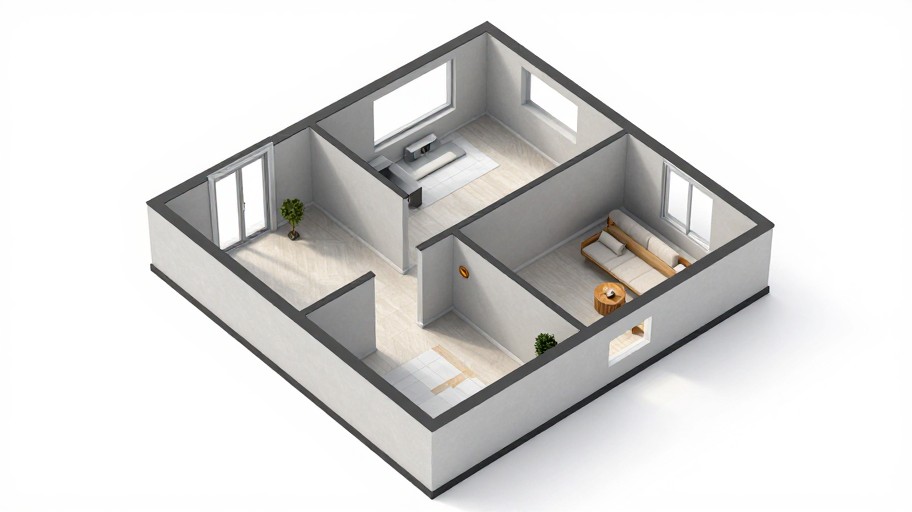
Ai Cad Generator Examples
See what others have created
How to Get Started
Simple steps to create amazing results
Describe Your CAD Design
Enter a text description of the CAD model you need - architectural layout, mechanical part, or technical diagram. Be as detailed as you want.
Customize Settings
Choose your preferred output format (DWG, STL, etc.), set dimensions, and adjust technical specifications to match your project requirements.
Download & Use
Generate your CAD model instantly and download it in your chosen format. Import directly into your favorite CAD software and start working.
Main Features
Powerful capabilities at your fingertips
AI-Powered CAD Generation
Transform simple text descriptions into professional CAD models instantly. Our advanced AI understands technical requirements and generates accurate, detailed designs.
Architectural & Mechanical Design
Suitable for both architectural layouts and mechanical parts. Create floor plans, building designs, machine components, and technical assemblies with ease.
Multiple Export Formats
Download your CAD models in DWG, STL, and other popular formats. Seamlessly integrate with AutoCAD, SolidWorks, Fusion 360, and other CAD software.
Unlimited Revisions
Refine and regenerate your designs as many times as needed. Adjust parameters, modify specifications, and perfect your CAD models without restrictions.
Instant Generation
No more hours of manual drafting. Generate complex CAD models in seconds, dramatically accelerating your design workflow and project timelines.
Professional Quality Output
Industry-standard precision and accuracy in every generated model. Ready for manufacturing, construction, or presentation purposes.
Frequently Asked Questions
Everything you need to know
What formats can the AI CAD Generator output?
Is the AI CAD Generator suitable for both architectural and mechanical designs?
Can I use the AI CAD Generator for free?
How accurate are the AI-generated CAD models?
Ready to Get Started?
Join thousands of engineers, architects, and designers creating CAD models in seconds. Start your free trial today.