Ai Catalog Maker
Create professional and visually appealing product catalogs effortlessly with AI technology
Catalog Preview
Your generated content will appear here
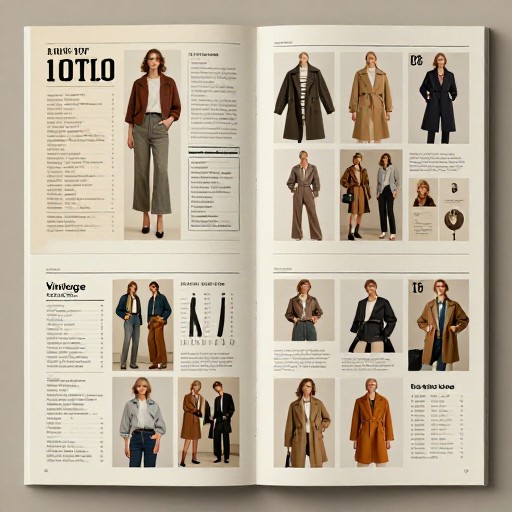
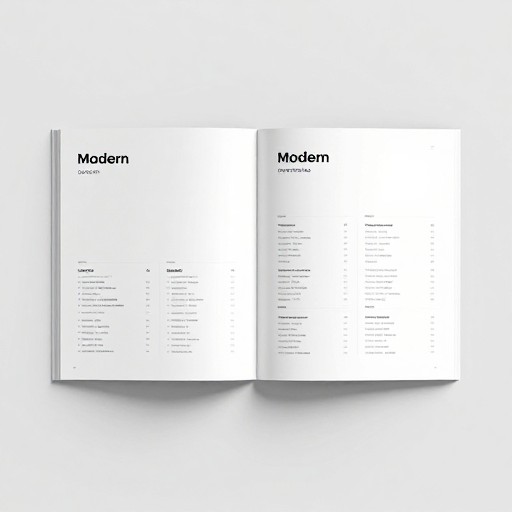
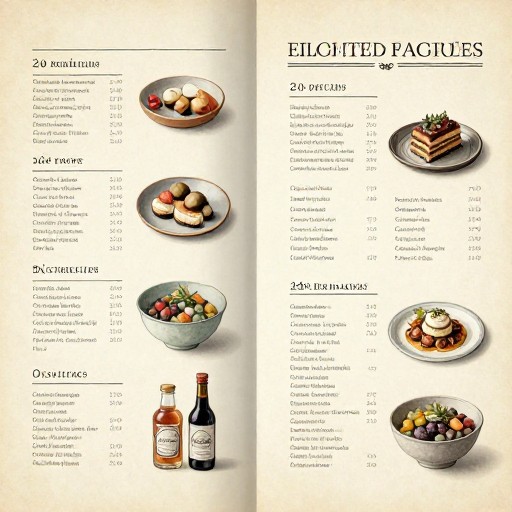
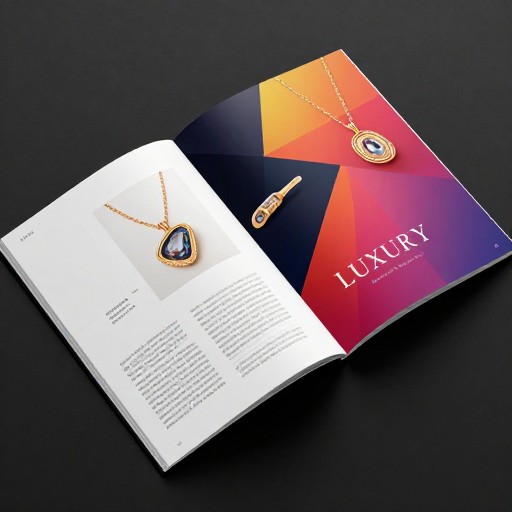
Ai Catalog Maker Examples
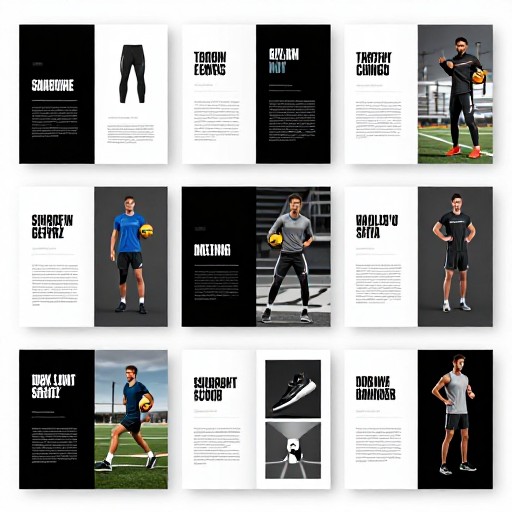
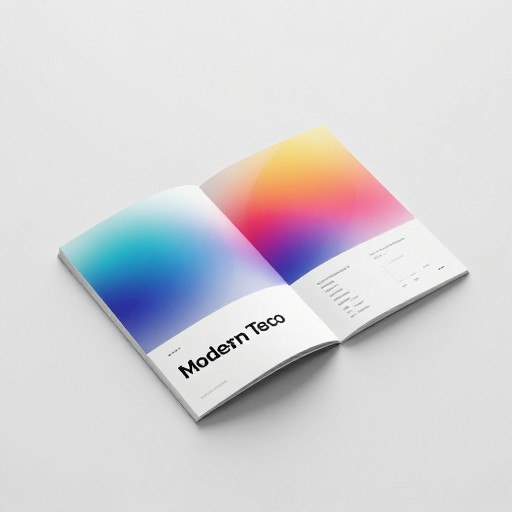
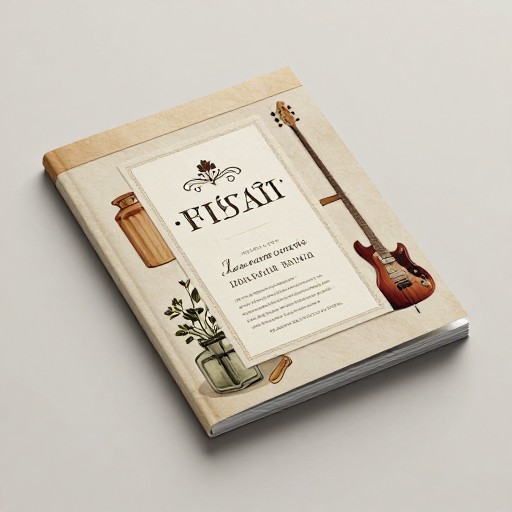
See what others have created

Related Website Content Tools
Create Your Catalog in Minutes
Simple steps to create amazing results
Upload Product Details
Add your product information, images, and descriptions. Our AI instantly analyzes and organizes your content for optimal presentation.
Choose Your Style
Select from dozens of professional catalog templates and themes. Customize colors, layouts, and branding to match your vision perfectly.
Generate & Download
Let AI create your stunning catalog in seconds. Download in high-resolution formats ready for print or digital distribution.
Powerful Features for Perfect Catalogs
Powerful capabilities at your fingertips
Smart Auto-Layout
AI automatically arranges your products in visually balanced, professional layouts that maximize appeal and readability.
Brand Customization
Tailor every aspect to your brand identity with custom colors, fonts, logos, and styling options that make your catalog uniquely yours.
Image Enhancement
Built-in AI optimization automatically enhances product photos, removes backgrounds, and ensures consistent, professional quality throughout.
Multi-Format Export
Download your catalogs in PDF, PNG, or print-ready formats. Perfect for both digital sharing and professional printing services.
Template Library
Access hundreds of professionally designed templates across all industries. From fashion to electronics, find the perfect style instantly.
Instant Updates
Made a change? Regenerate your entire catalog in seconds. Update prices, products, or designs without starting from scratch.
Frequently Asked Questions
Everything you need to know
How does the AI Catalog Maker work?
Can I customize the catalog design?
Is the AI Catalog Maker free to use?
What file formats can I export my catalog in?
Transform Your Products into Beautiful Catalogs
Join thousands of businesses creating stunning product catalogs with AI. Start your free trial today and see the difference.