Ai Fantasy Map Generator
Create detailed, imaginative fantasy maps for your D&D campaigns, novels, and world-building projects with AI-powered technology
Fantasy Map
Your generated content will appear here
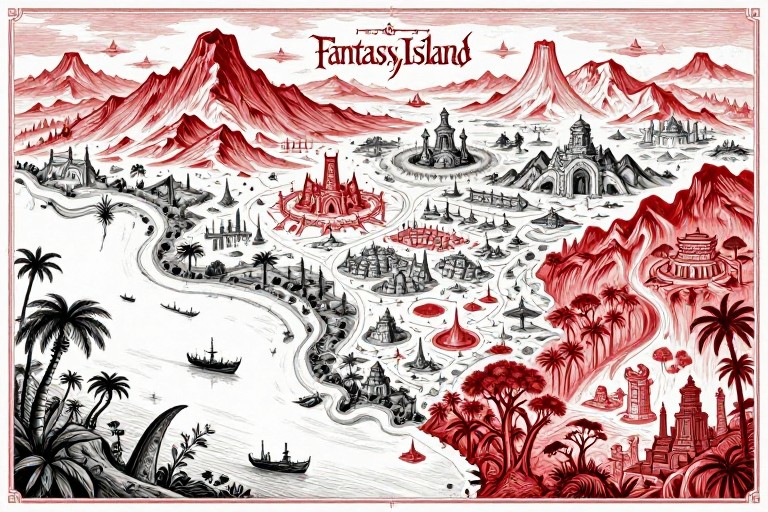
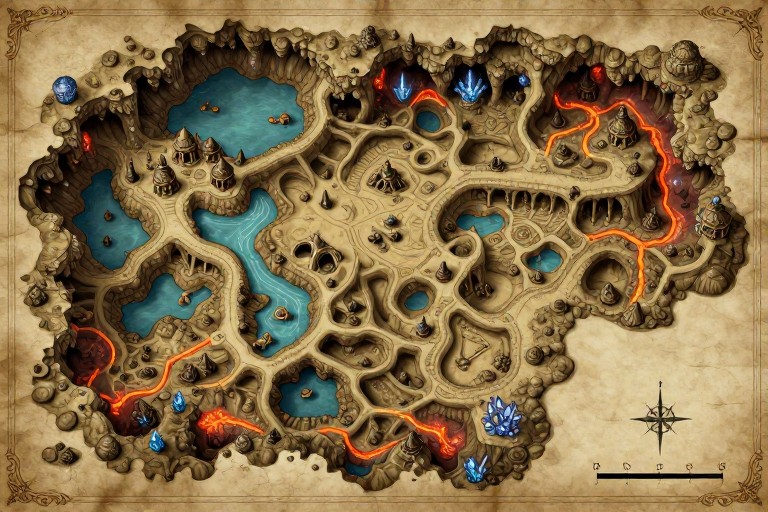
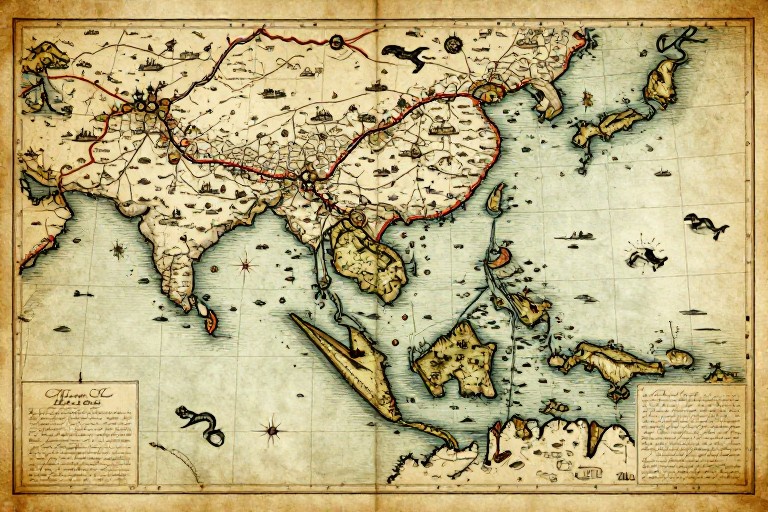
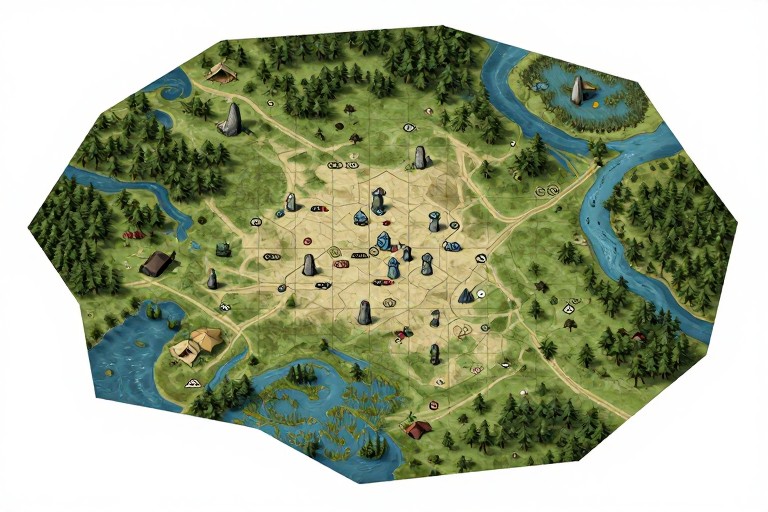
Ai Fantasy Map Generator Examples
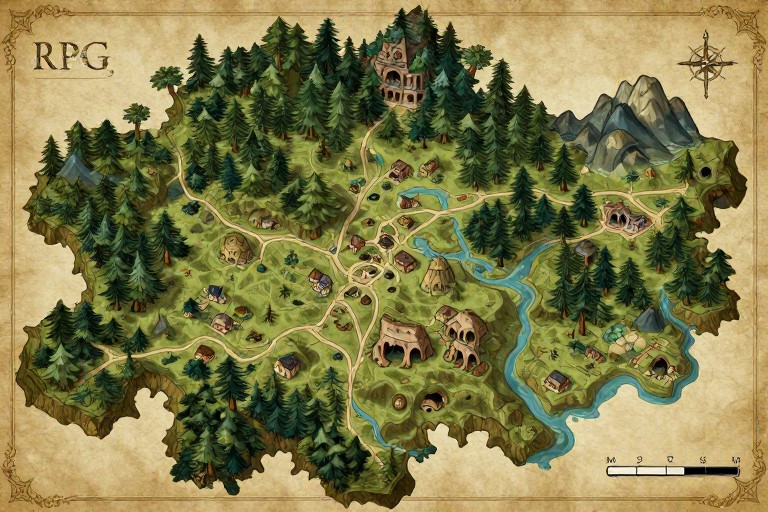
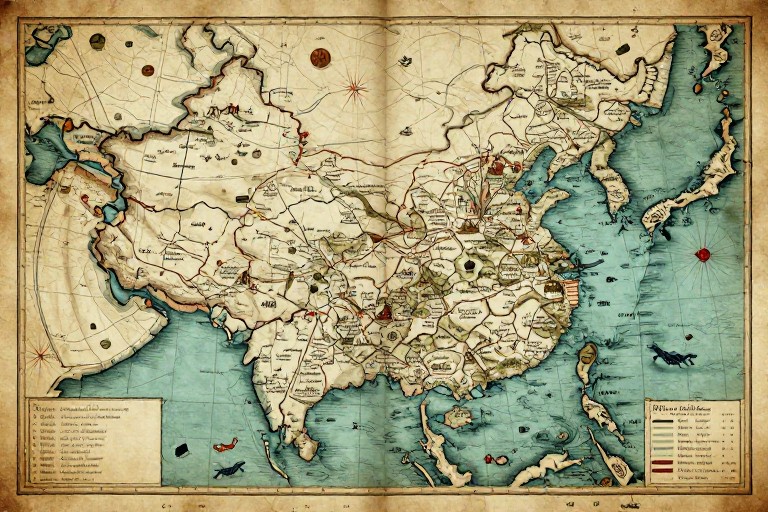
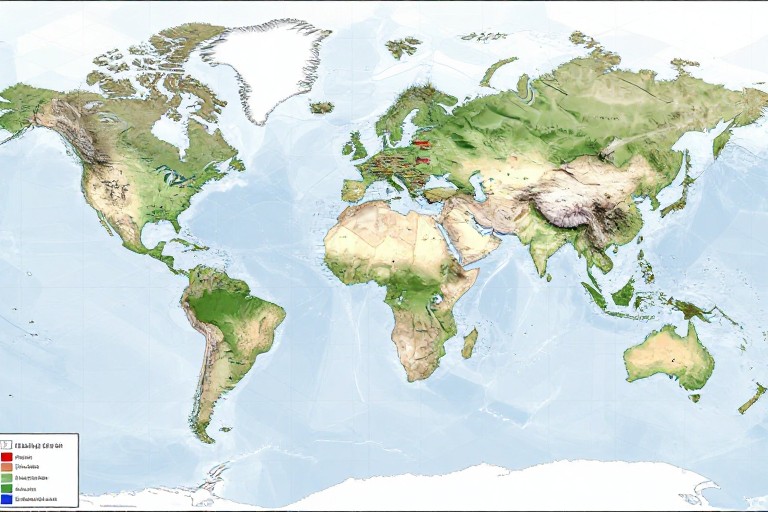
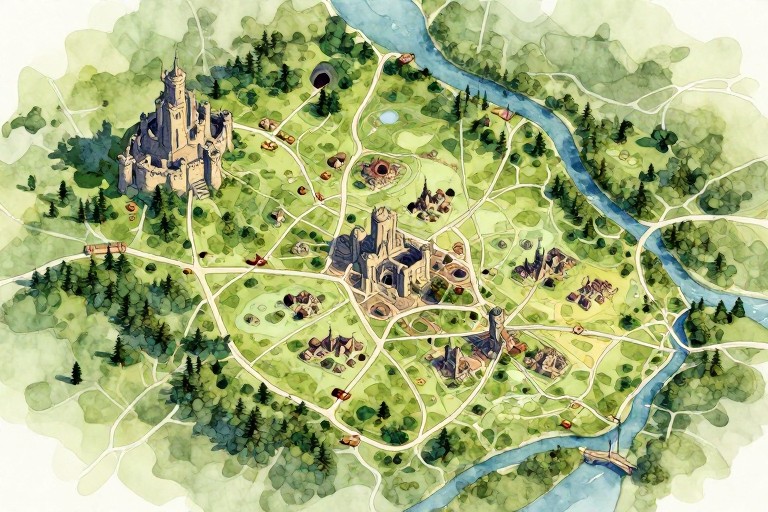
See what others have created
How to Get Started
Simple steps to create amazing results
Describe Your World
Enter your vision for the fantasy map - describe terrain types, regions, kingdoms, or let AI surprise you with unique worlds.
Customize Your Map
Select features like mountains, forests, coastlines, cities, and artistic styles. Adjust colors, labels, and fantasy elements to match your creative vision.
Generate & Download
Click generate and watch your fantasy world come to life in seconds. Download in high resolution for your games, novels, or worldbuilding projects.
Main Features
Powerful capabilities at your fingertips
AI-Powered Worldbuilding
Advanced AI creates unique, detailed fantasy maps with realistic terrain, biomes, and geography tailored to your specifications.
Customizable Styles
Choose from multiple artistic styles including parchment, modern, hand-drawn, and game-ready designs to match your project's aesthetic.
Instant Generation
Create professional fantasy maps in seconds. No design skills or software required - just describe your vision and generate.
High-Resolution Export
Download your maps in various formats and resolutions, perfect for printing, digital use, tabletop games, or publishing.
Unlimited Variations
Generate endless variations of your world. Experiment freely with different layouts, features, and styles until you find the perfect map.
Detailed Customization
Fine-tune every aspect including landmarks, cities, borders, labels, legends, and fantasy elements like dragon lairs or mystical forests.
Frequently Asked Questions
Everything you need to know
How do I customize my map?
Can I use the maps for commercial purposes?
Is there a free version available?
What file formats can I download?
Ready to Build Your Fantasy World?
Join thousands of writers, game masters, and creators bringing their imaginary worlds to life with AI-powered maps.