Ai Fashion Model Generator
Create custom AI fashion models for marketing, lookbooks, and creative projects
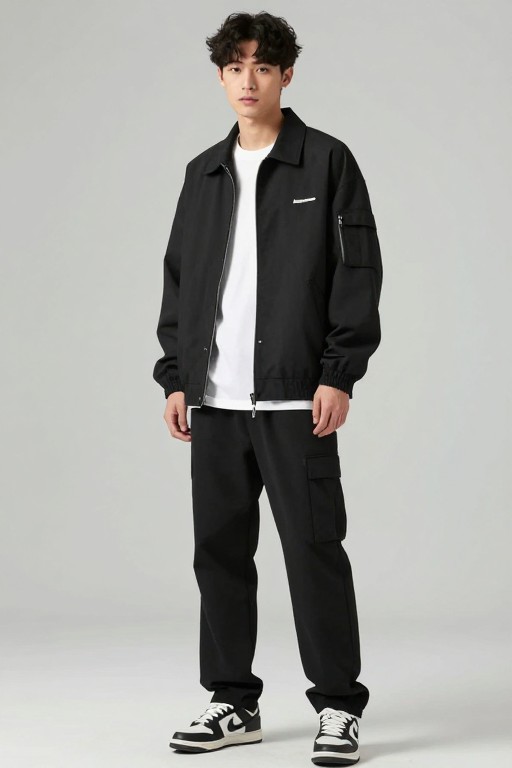
Ai Fashion Model Generator Examples
See what others have created
How to Get Started
Simple steps to create amazing results
Describe Your Model
Enter your requirements including model type, pose, clothing style, and background preferences. Be as specific or creative as you want.
Customize Settings
Adjust advanced options like lighting, facial features, body type, and styling. Preview different variations to find your perfect match.
Download & Use
Generate your AI fashion model in seconds and download high-resolution images ready for your campaigns, website, or social media.
Main Features
Powerful capabilities at your fingertips
AI-Powered Realism
Generate photorealistic fashion models that look professionally shot. Our advanced AI creates lifelike features, natural poses, and studio-quality lighting.
Full Customization
Control every aspect from ethnicity, age, and body type to clothing styles, poses, and backgrounds. Create diverse models that represent your brand vision.
Professional Quality
Get high-resolution images suitable for e-commerce, marketing materials, and social media. No expensive photoshoots or model fees required.
Instant Results
Generate multiple model variations in seconds. Test different looks, styles, and poses without waiting days for traditional photography sessions.
Commercial Rights
Use generated models for any commercial purpose including advertising, product listings, and promotional campaigns without licensing restrictions.
Unlimited Generations
Create as many fashion models as you need. Experiment freely with different styles, demographics, and concepts without limitations.
Interesting Things You Might Not Know About Fashion Models
The First Professional Model
Marie Vernet Worth became the world's first professional fashion model in 1853, modeling her husband Charles Frederick Worth's designs in Paris, revolutionizing how fashion was presented to clients.
The $40 Million Face
Gisele Bündchen earned approximately $40 million in a single year at her peak in 2014, making her the highest-paid model in history and proving modeling could be as lucrative as Hollywood acting.
The 90-Second Walk
A typical runway walk during fashion week lasts only 90 seconds, yet models spend months perfecting their gait, with top models walking at precisely 1 step per second in a perfectly straight line.
Height Requirements Evolved
While today's runway models average 5'9" to 6'0", early 1900s fashion models were typically only 5'4" to 5'6", with the height requirement dramatically increasing in the 1960s with the rise of supermodels like Twiggy.
The Supermodel Era's Price Tag
In 1990, Linda Evangelista famously stated she wouldn't wake up for less than $10,000 a day, a quote that defined the supermodel era when top models earned more than most CEOs.
Fitting Model Precision
Fitting models, who test garments before runway shows, must maintain their exact measurements within 1/4 inch for years, making their bodies living mannequins that designers depend on for consistent sizing.
The First Male Supermodel
Lars Lundgren became the first male model to earn supermodel status and million-dollar contracts in 1995, breaking gender barriers in an industry that had been female-dominated for over a century.
Catalog Models' Volume
Professional catalog models can shoot 20-40 outfit changes in a single 8-hour day, requiring rapid wardrobe changes every 12-15 minutes while maintaining consistent energy and expressions.
The Mannequin Connection
Before live models, department stores used 'mannequins vivants' (living mannequins) starting in the 1900s, where women would stand motionless in store windows for hours, earning about $10 per week.
Runway Show Ratio
During major fashion weeks in New York, Paris, Milan, and London, over 500 models compete for approximately 200 available runway spots, with newcomers typically walking 0-3 shows their first season.
The Age Factor
Most high fashion runway models are scouted between ages 14-16 and peak between 16-21, with the average runway career lasting only 3-5 years before transitioning to commercial or print work.
Sample Size Standards
The standard sample size for runway models has been US size 0-2 since the 1990s, though recent diversity movements have introduced sizes 8-14 for plus-size categories, representing only 2% of runway bookings as of 2020.
Frequently Asked Questions
Everything you need to know
Ready to Transform Your Fashion Content?
Create stunning AI fashion models in seconds. No photoshoots, no expensive models, just professional results instantly.