Ai Image Reference Generator
Transform your reference images into stunning AI-generated variations with custom styles and themes
Upload a reference image
Your generated content will appear here
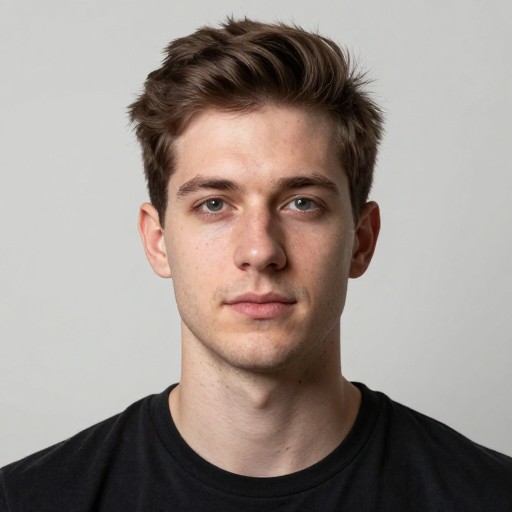
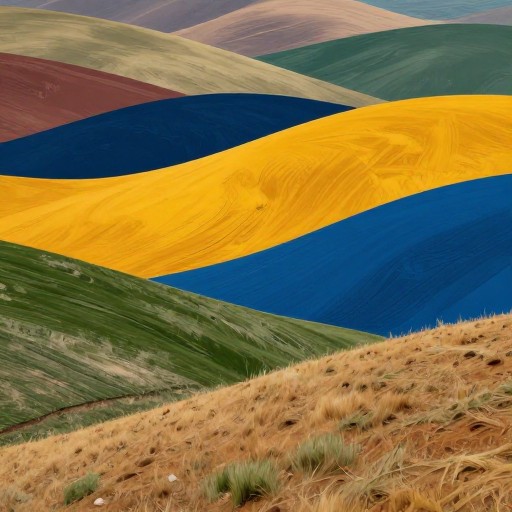
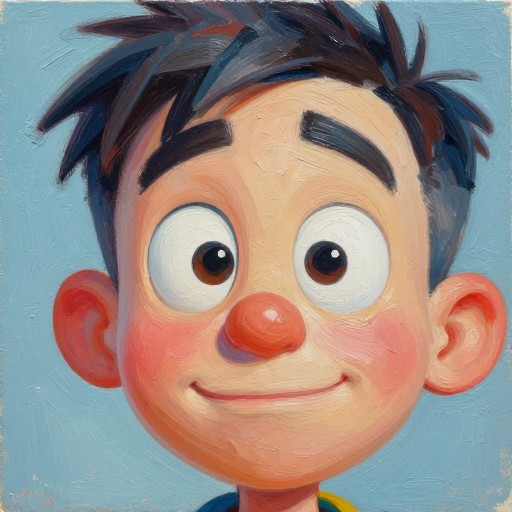
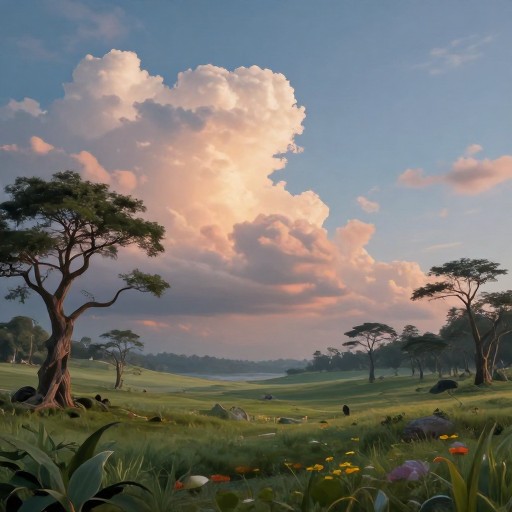
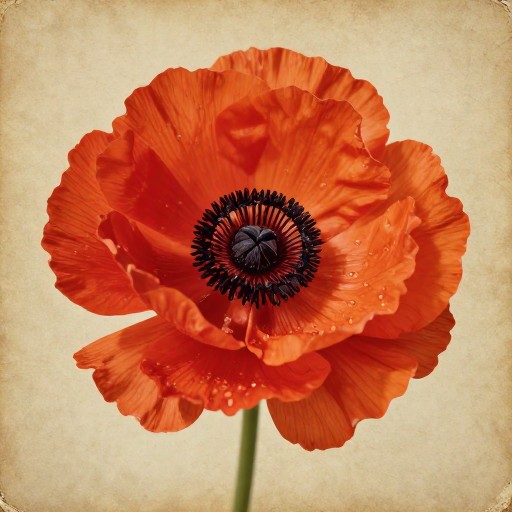
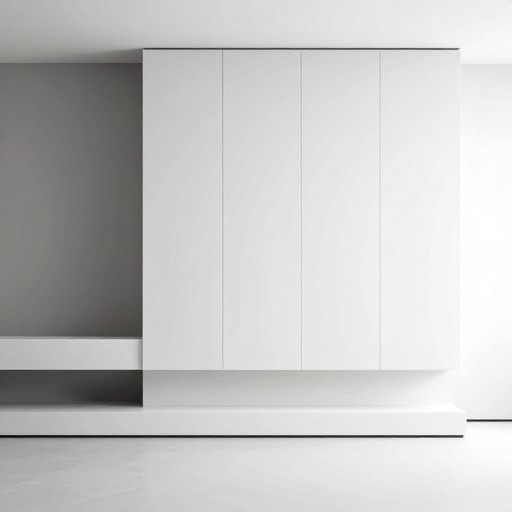
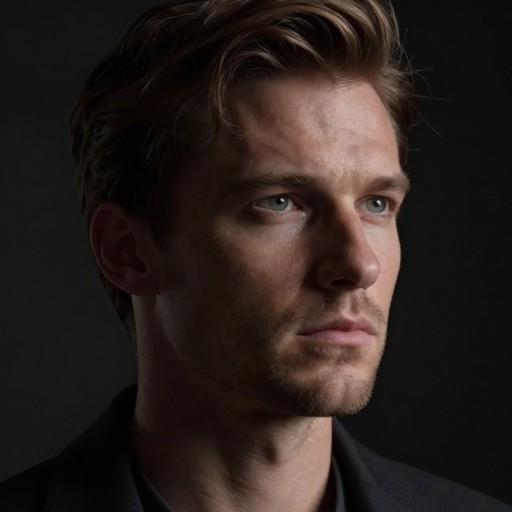
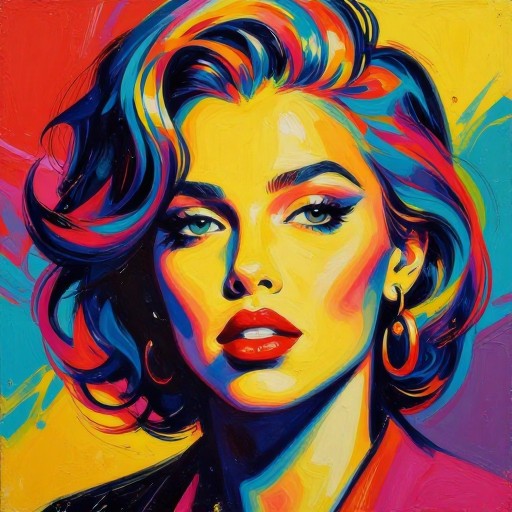
Ai Image Reference Generator Examples
See what others have created
How to Get Started
Simple steps to create amazing results
Upload Your Reference
Select and upload any image as your reference. Our AI will analyze the style, composition, and key elements to understand your creative direction.
Customize Your Output
Choose your preferred style, adjust settings, and add specific prompts to guide the AI. Fine-tune colors, themes, and artistic elements to match your vision.
Generate & Download
Click generate and watch as AI creates your unique image in seconds. Download in high resolution and use it for any project without limitations.
Powerful Features
Powerful capabilities at your fingertips
Reference-Based Generation
Upload any image as a reference and our AI will generate new variations while maintaining the style, mood, and composition you want.
Style Customization
Choose from dozens of artistic styles including photorealistic, anime, oil painting, watercolor, digital art, and more to transform your reference.
AI-Powered Enhancement
Advanced algorithms automatically optimize details, lighting, and composition to create professional-quality images every time.
Unlimited Iterations
Generate as many variations as you need. Experiment freely with different styles and settings until you find the perfect result.
High-Resolution Downloads
Export your creations in high resolution suitable for printing, web use, social media, or any professional application.
Lightning-Fast Processing
Get your generated images in seconds, not hours. Our optimized AI engine delivers stunning results without the wait.
Frequently Asked Questions
Everything you need to know
How does the AI Image Reference Generator work?
Can I use this service for free?
What types of images can I generate?
Do I own the rights to generated images?
Ready to Transform Your Ideas Into Art?
Join thousands of creators using AI to bring their creative visions to life. Start generating stunning images from references in seconds.