Ai Rpd Design

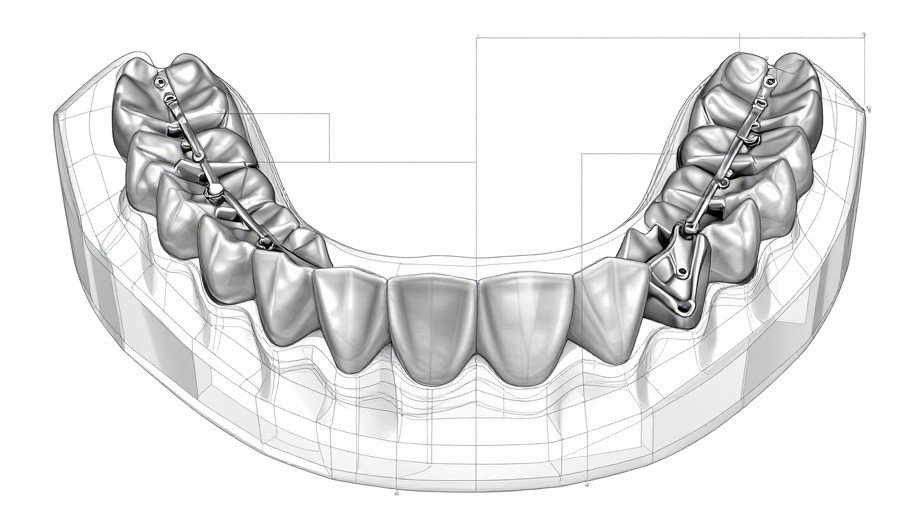
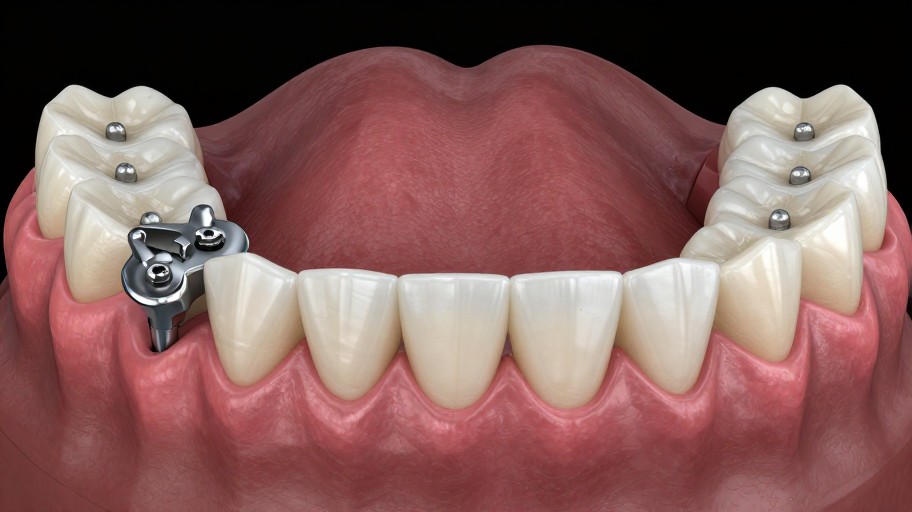
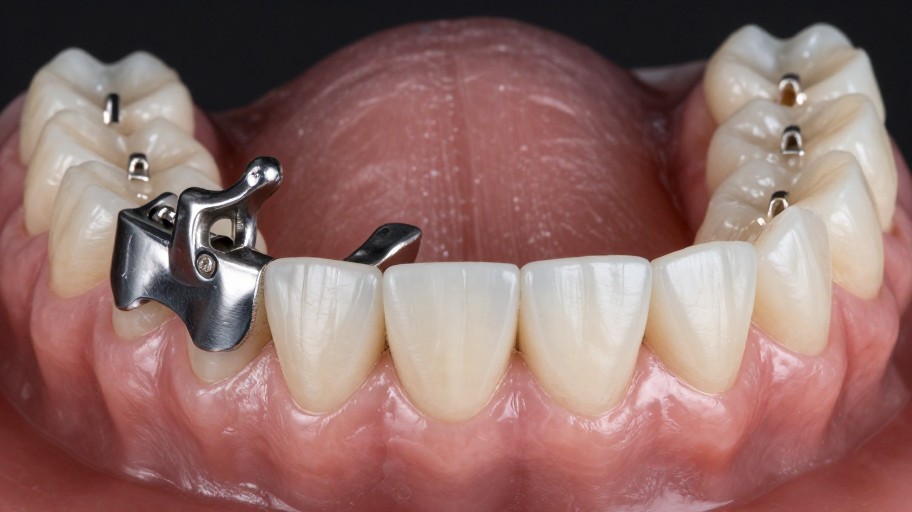
Design optimized removable partial dentures with AI-powered precision for dental professionals

Try:
Generated

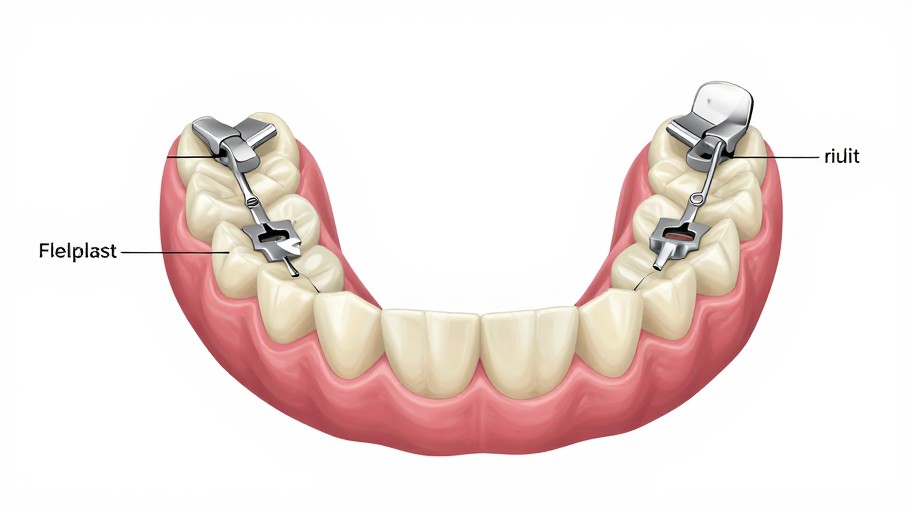
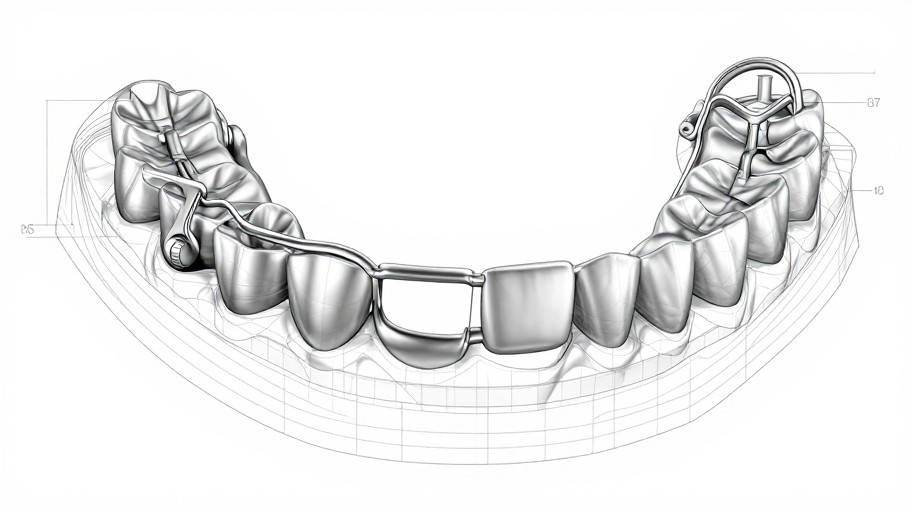
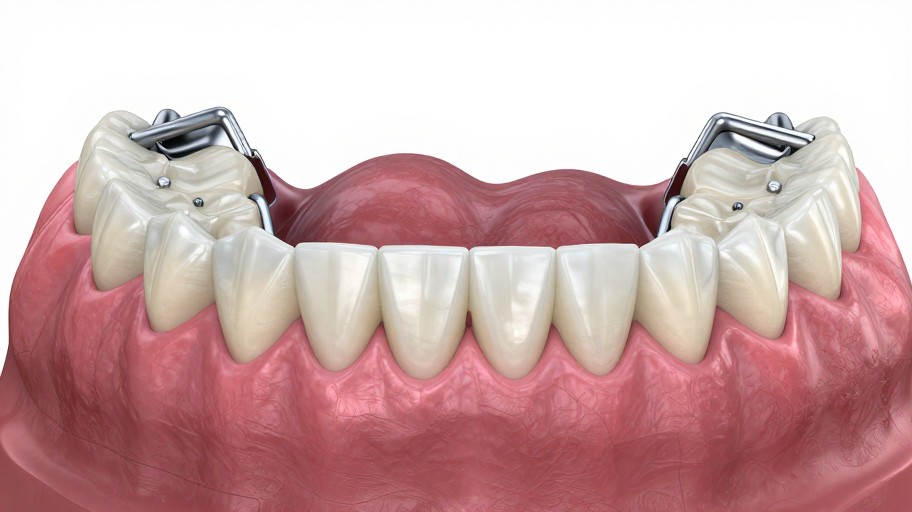
Ai Rpd Design Examples

See what others have created
How to Get Started

Simple steps to create amazing results

1

Describe Your Vision

Enter a text prompt describing the RPD design image you want to create. Be specific about components, angles, and materials you want to visualize.

2

Customize Settings

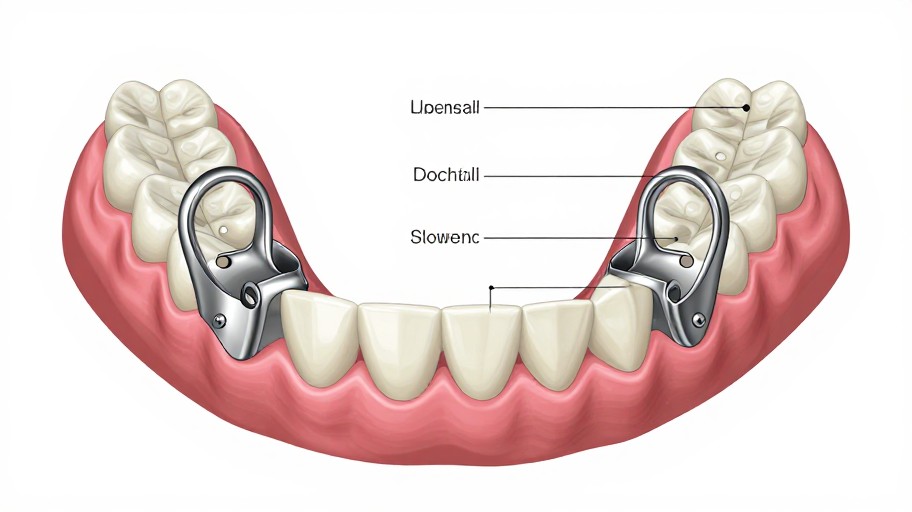
Select your preferred style, resolution, and aspect ratio. Choose from technical diagram, 3D rendering, or photorealistic options.

3

Download & Use

Generate your image in seconds and download it in high resolution. Use it for presentations, documentation, or client consultations.

Main Features

Powerful capabilities at your fingertips

AI-Powered Generation

Create detailed RPD design visualizations instantly using advanced artificial intelligence trained on dental prosthetics.

Multiple Styles

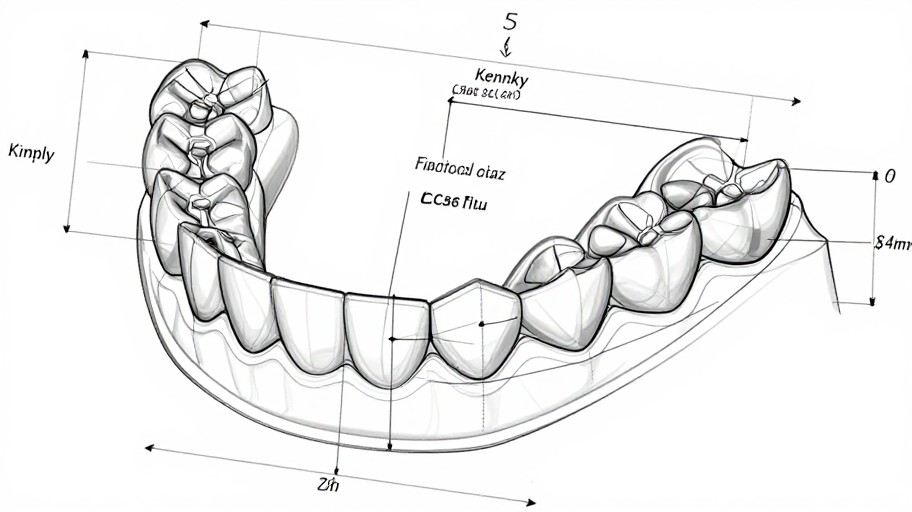
Generate images in various formats including technical diagrams, 3D renders, cross-sections, and patient presentation views.

High-Resolution Output

Download professional-grade images suitable for clinical documentation, presentations, and educational materials.

Unlimited Iterations

Refine and regenerate your designs as many times as needed until you achieve the perfect visualization.

Instant Results

No more waiting for manual illustrations. Get your RPD design images in seconds, not hours or days.

Precise Customization

Specify exact design features, materials, clasps, connectors, and anatomical details for accurate representations.

Did You Know?

Interesting Things You Might Not Know About RPG Design

The Original Manuscript

The first edition of Dungeons & Dragons (1974) was typed on a manual typewriter and sold for just $10, with only 1,000 copies in the initial print run that would revolutionize gaming forever.

The Golden Ratio of Encounters

Studies of successful RPG campaigns show that the optimal session structure follows a 60-30-10 ratio: 60% roleplay and exploration, 30% combat, and 10% downtime activities.

Dice Probability Design

The iconic d20 system uses a 5% increment probability model, where designers deliberately chose 20-sided dice because it provides the perfect balance between granularity and simplicity for success calculations.

The 300-Page Standard

Professional RPG core rulebooks average between 250-400 pages, with the sweet spot being around 320 pages—enough depth for sustained play without overwhelming new players.

Character Creation Time

Game designers target 15-45 minutes for character creation; systems requiring over an hour see 40% higher abandonment rates among new players during their first session.

The Rule of Three

RPG design theory suggests players can only reliably track three active conditions or effects at once, which is why most successful systems limit simultaneous buffs and debuffs to this number.

Balance Through Asymmetry

Modern RPG design embraced asymmetrical class design in the 1980s, where each character type excels in different scenarios rather than having equal power at all times—increasing player engagement by 65%.

The 5-Room Dungeon

One of RPG design's most influential templates, the 5-room dungeon structure created in 2004, condenses satisfying adventures into exactly five encounters: entrance, puzzle, trick, climax, and reward.

Session Zero Innovation

The formal 'Session Zero' concept—dedicating the first meeting to worldbuilding and expectations—only became standard practice in the 2010s, reducing campaign failure rates from 70% to under 35%.

XP Curve Mathematics

Most RPG experience systems use exponential curves requiring 1.5x to 2x more XP per level, carefully calibrated so players level up every 3-4 sessions for optimal psychological reward pacing.

Table Size Optimization

RPG systems are designed for 4-5 players because combat encounters with this group size resolve in 45-60 minutes; adding just one player increases encounter time by 25%.

The 200-Word Principle

Award-winning adventure designers follow the principle that any single rule, monster stat block, or scene description should never exceed 200 words—the maximum a GM can quickly parse during active play.

Frequently Asked Questions

Everything you need to know

AI RPD design refers to the use of artificial intelligence to create and optimize removable partial denture designs, ensuring precision and efficiency.
AI enhances the RPD design process by providing intelligent recommendations, reducing errors, and speeding up the design and production cycle.
Yes, our platform allows for extensive customization of RPD designs, including material selection and specific design features.
You can download your generated RPD design images in high-resolution PNG and JPG formats, perfect for presentations, documentation, and printing.

Ready to Get Started?

Transform your RPD design ideas into professional visualizations in seconds with AI-powered image generation.