Ai Tileset Generator
Generate custom tilesets for your game in any style—pixel art, isometric, or themed designs tailored to your project
Custom game tiles
Your generated tileset will appear here
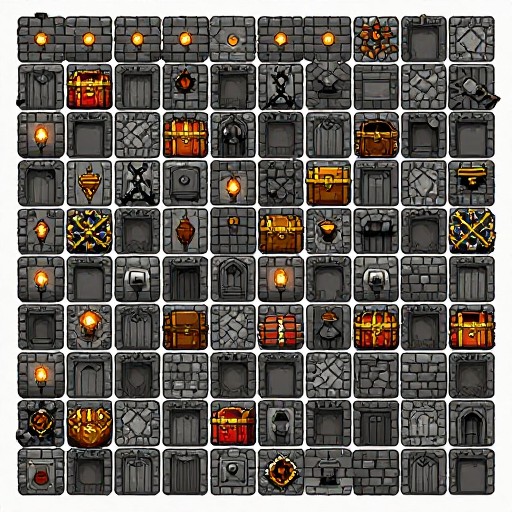
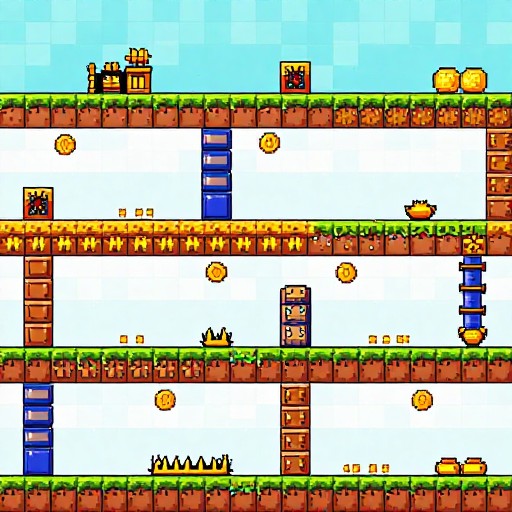
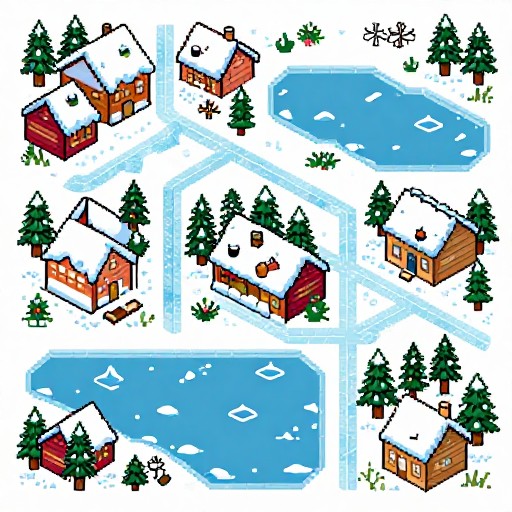
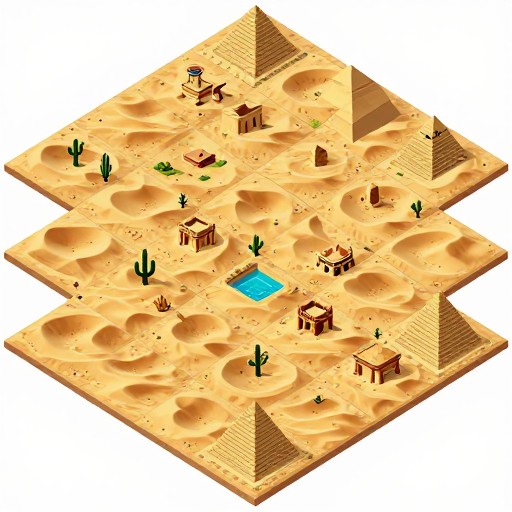
Ai Tileset Generator Examples
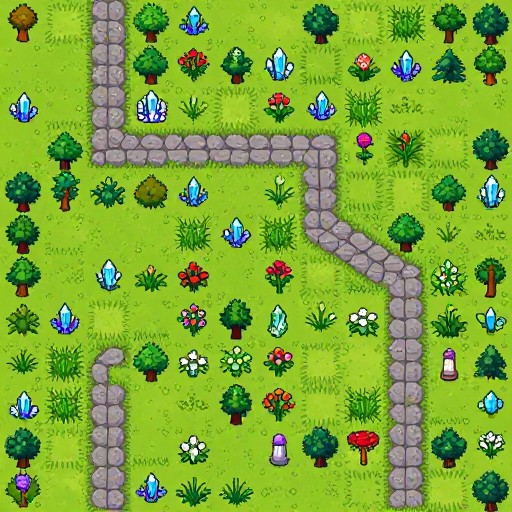
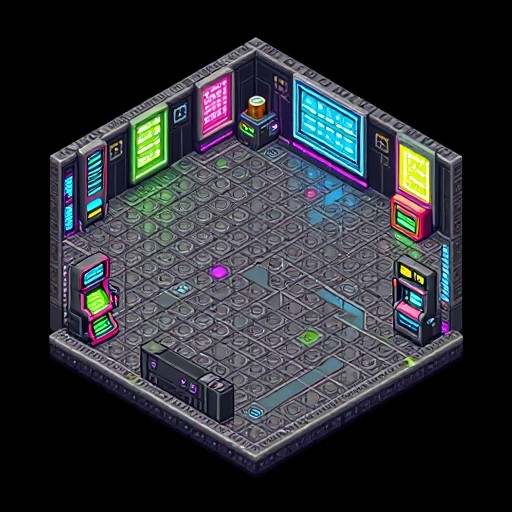
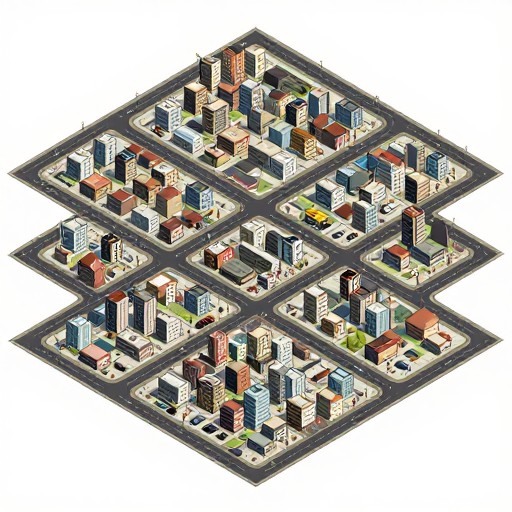
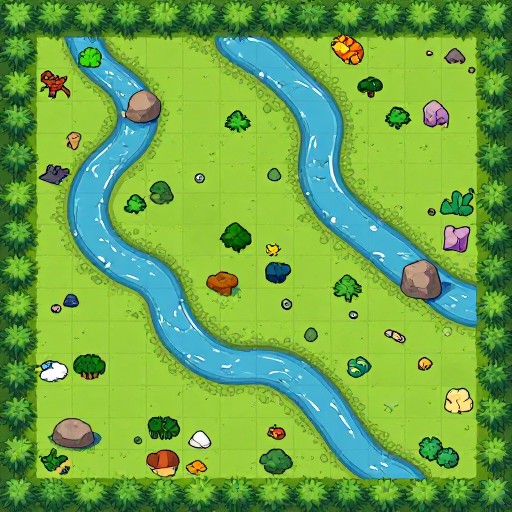
See what others have created
How to Get Started
Simple steps to create amazing results
Describe Your Tileset
Enter your desired theme, style (pixel art, isometric, etc.), and environment type. Be as specific as you want about colors, mood, and aesthetic.
Set Your Dimensions
Choose your tile size (16x16, 32x32, 64x64, or custom) and specify how many tiles you need. Perfect for matching your game engine's requirements.
Generate & Download
Let the AI create your custom tileset in seconds. Download seamlessly tiling assets ready to import directly into your game.
Main Features
Powerful capabilities at your fingertips
AI-Powered Creation
Advanced algorithms generate unique, professional-quality tilesets tailored to your exact specifications and creative vision.
Multiple Art Styles
Create pixel art, isometric designs, top-down views, side-scrollers, and more. From retro to modern aesthetics.
Custom Dimensions
Specify exact tile sizes to match your game's requirements. From tiny 16x16 pixels to large detailed tiles.
Seamless Tiling
All generated tiles are designed to connect perfectly, ensuring smooth, continuous environments without visible seams.
Instant Export
Download your tilesets immediately in game-ready formats. No waiting, no rendering queues.
Unlimited Variations
Generate as many versions as you need. Experiment with different themes, colors, and styles until you find the perfect fit.
Frequently Asked Questions
Everything you need to know
How does the AI tileset generator work?
Can I customize the tileset dimensions?
What styles of tilesets can I create?
Are the tilesets truly seamless?
What file formats can I download?
Can I use these tilesets commercially?
Ready to Build Your Game World?
Create stunning, seamless tilesets in seconds with AI. No design skills required.