Create custom animal print patterns in any color scheme and size — from leopard spots to zebra stripes
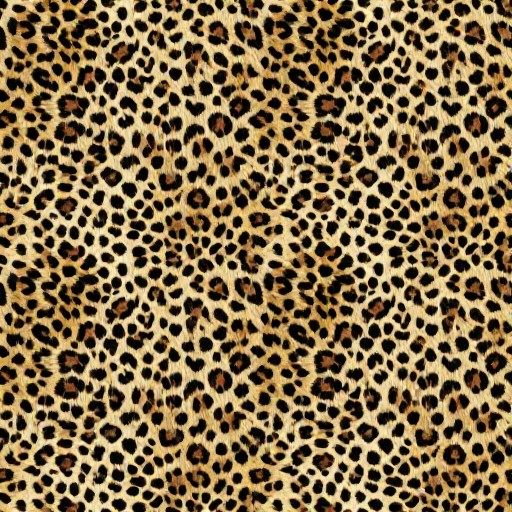
See what others have created
Simple steps to create amazing results
Choose from leopard, zebra, tiger, cheetah, giraffe, snake, and many more exotic animal print styles to match your creative vision.
Adjust colors, scale, dimensions, and pattern density to create the perfect design for your specific project needs.
Click generate to create your custom animal print pattern instantly, then download in high resolution for immediate use.
Powerful capabilities at your fingertips
Choose any color combination, adjust pattern scale, and control the density of spots, stripes, or textures to create truly unique designs.
Generate authentic-looking animal prints with natural variations and organic patterns that mimic real animal fur and skin.
Download your patterns in crystal-clear quality, perfect for printing on fabric, wallpaper, or using in digital design projects.
Access a wide variety of animal prints including classic leopard, bold zebra stripes, tiger patterns, giraffe spots, and exotic options.
All patterns are designed to tile seamlessly, making them ideal for repeating backgrounds, fabric printing, and large-scale applications.
Generate professional-quality animal print patterns in seconds, saving hours compared to manual design work.
Leopard print has been worn as a status symbol since 3000 BCE, when Egyptian priests and pharaohs donned real leopard skins to demonstrate their power and connection to the goddess Mafdet.
Christian Dior was the first major fashion house to introduce leopard print into haute couture in 1947, transforming it from exotic oddity to high-fashion staple within a single season.
Zebra stripes are unique to each individual like fingerprints, with patterns containing between 25-80 stripes depending on the species, making authentic zebra print reproduction incredibly complex.
Animal print fashion sales increased by 300% between 1960-1969, driven by Jackie Kennedy's ocelot coat and the rise of affordable synthetic fabrics that eliminated the need for real fur.
Giraffe spot patterns follow a Voronoi tessellation mathematical model, where each polygon forms around a central point, creating the distinctive puzzle-like appearance that's nearly impossible to replicate by hand.
Between 1930-1950, leopard print appeared in over 200 Hollywood films, establishing it as the go-to pattern for portraying glamorous, dangerous, or exotic female characters.
The punk movement of the 1970s appropriated animal prints as anti-establishment symbols, with Vivienne Westwood's 1976 collections featuring deliberately crude, screen-printed leopard patterns that sold out within weeks.
While traditional leopard print uses tan and black, designers have created over 50 colorway variations since the 1980s, with pink and purple versions outselling classic patterns by 2:1 in certain markets.
The invention of rotary screen printing in 1963 reduced animal print fabric production time from 8 hours per yard to just 15 minutes, making it accessible to mass-market fashion.
In the 1920s, wearing animal prints signified wealth and colonialism, but by the 1990s the same patterns represented rebellion and sexuality, demonstrating a complete symbolic reversal in just 70 years.
Authentic python skin patterns contain between 60-100 scales per square inch with 23 distinct color gradations, making it one of the most difficult animal prints to reproduce accurately in textile design.
Fashion trend analysis shows animal prints return to major runway collections every 7-8 years with remarkable consistency, with leopard print appearing in 40% of all designer collections during peak years since 1990.
Everything you need to know
Create stunning animal print patterns in seconds. Perfect for fashion, decor, and design projects.