Anime Portrait Generator
Create stunning customized anime portraits with AI-powered precision and style
Anime portrait
Your generated content will appear here
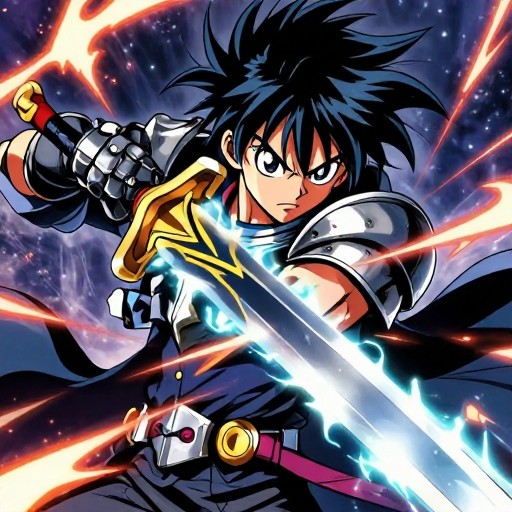
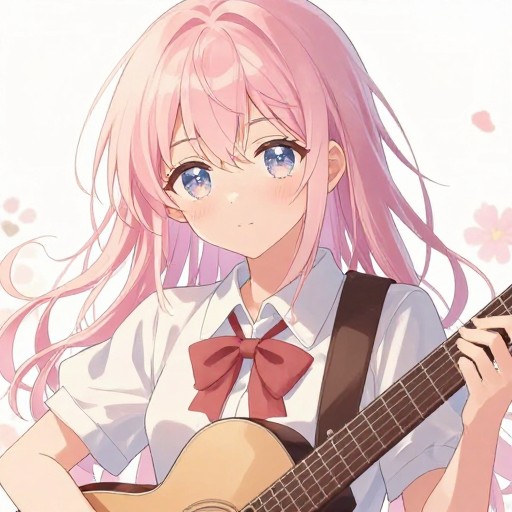
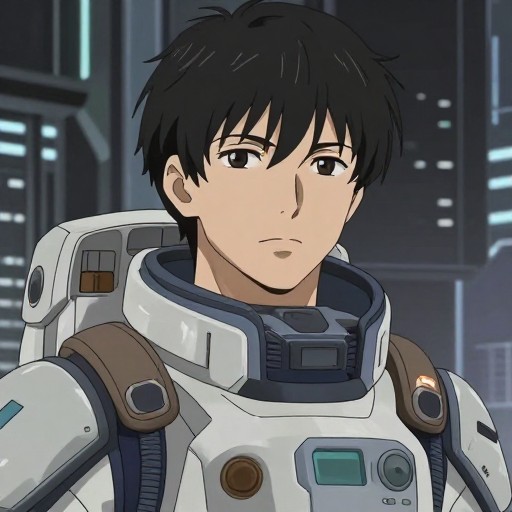
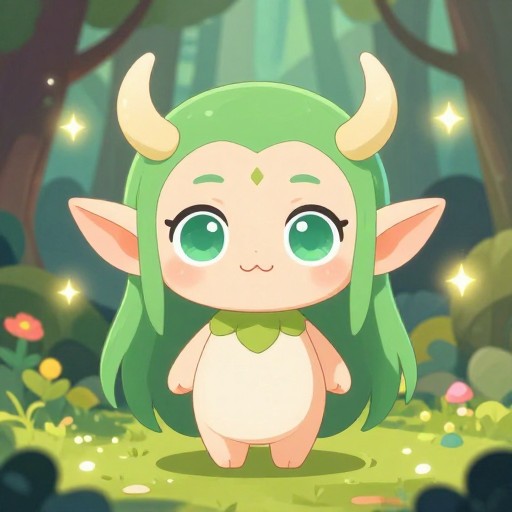
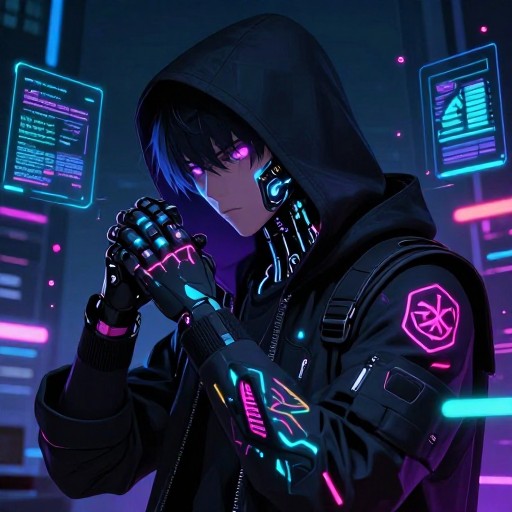
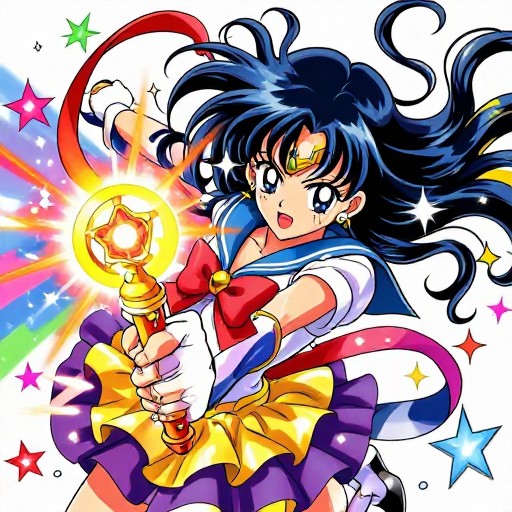
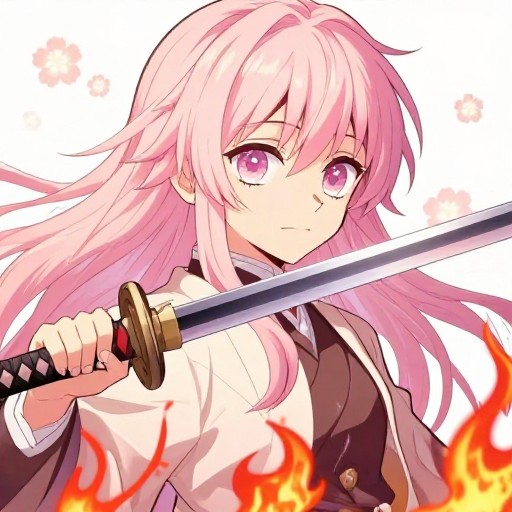
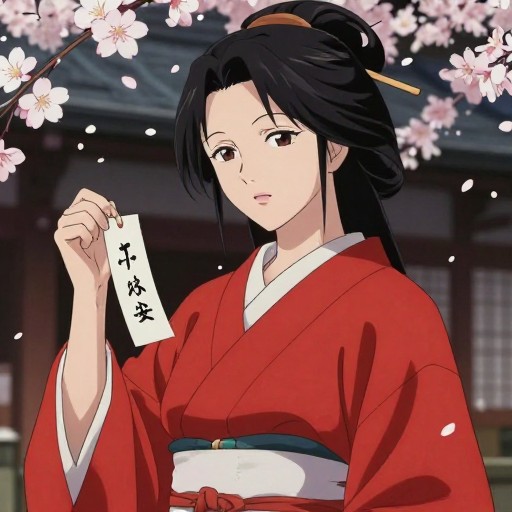
Anime Portrait Generator Examples
See what others have created
How to Get Started
Simple steps to create amazing results
Describe Your Character
Enter your character details, style preferences, or upload a photo you want to transform into an anime portrait.
Customize Your Style
Choose from various anime art styles, adjust colors, expressions, and other features to match your creative vision.
Generate & Download
Click generate and watch as AI creates your stunning anime portrait in seconds. Download in high resolution for any use.
Main Features
Powerful capabilities at your fingertips
AI-Powered Transformation
Advanced AI algorithms instantly convert your ideas or photos into professional-quality anime portraits with stunning detail and accuracy.
Customizable Styles
Choose from multiple anime art styles including manga, chibi, shoujo, and more. Adjust colors, expressions, and character features to perfection.
High-Resolution Downloads
Download your anime portraits in high quality suitable for printing, social media, profile pictures, or any creative project.
Instant Results
No waiting required. Generate beautiful anime portraits in seconds with our lightning-fast AI processing technology.
Unlimited Creations
Create as many anime portraits as you want without limits. Experiment freely and bring all your character ideas to life.
Professional Quality
Get studio-quality anime artwork without needing any artistic skills or expensive software. Perfect results every time.
Frequently Asked Questions
Everything you need to know
How does the anime portrait generator work?
Can I customize the anime portraits?
Is the service free to use?
What can I use my anime portraits for?
Ready to Get Started?
Transform your ideas into stunning anime portraits in seconds. Join millions of creators bringing their characters to life with AI.