Card Game Illustration Generator
Create unique and captivating illustrations for your card game, tailored to your style preferences
Card illustration
Your generated content will appear here
Card Game Illustration Generator Examples
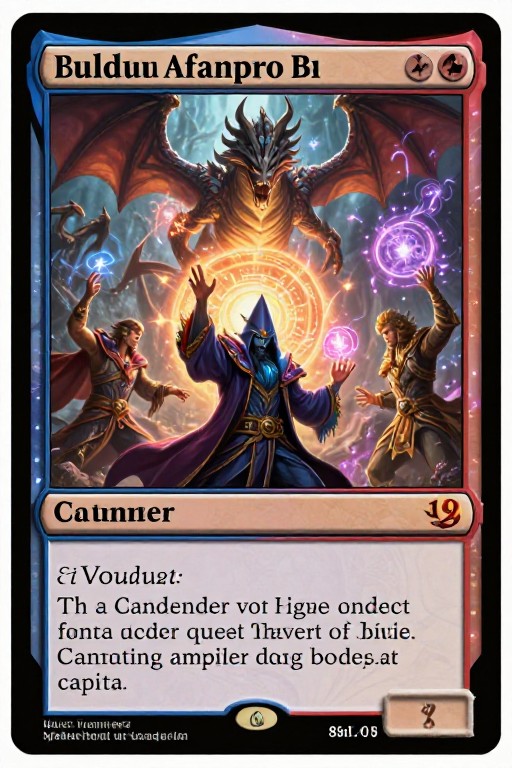
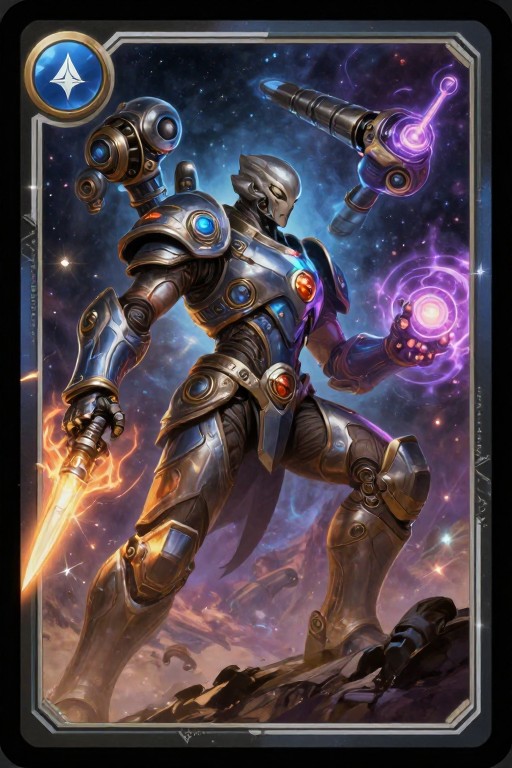
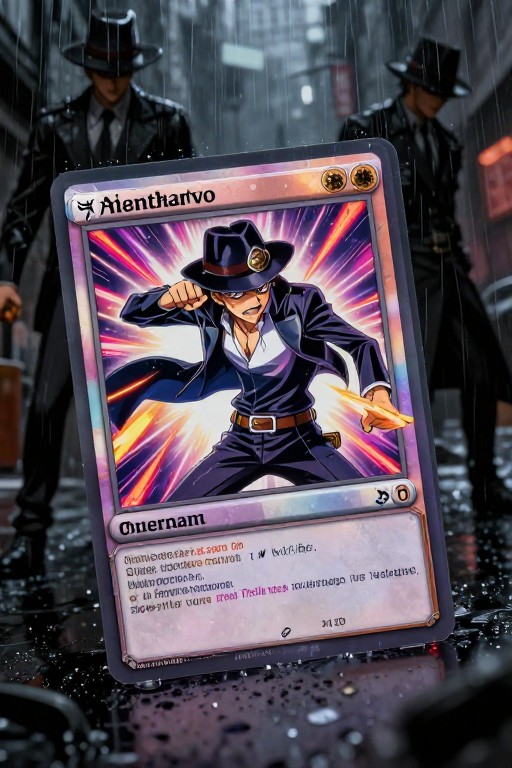
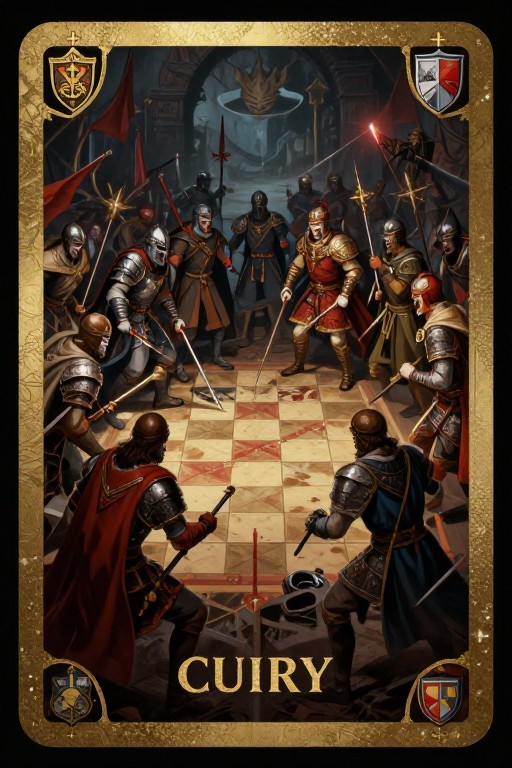
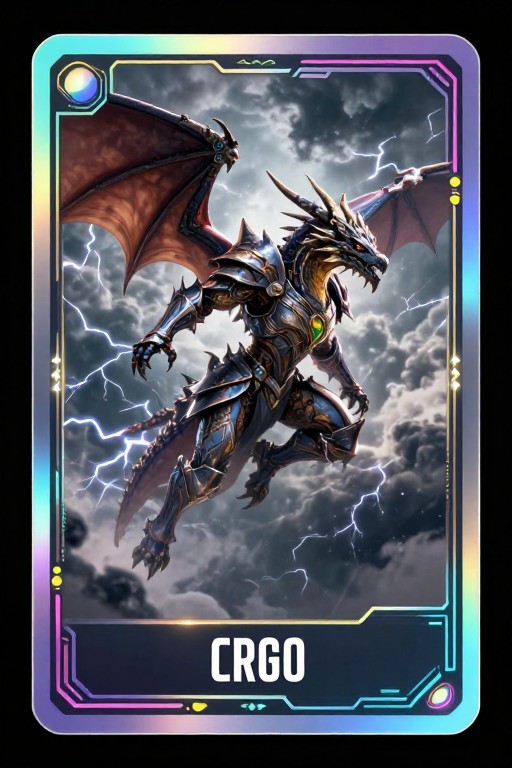
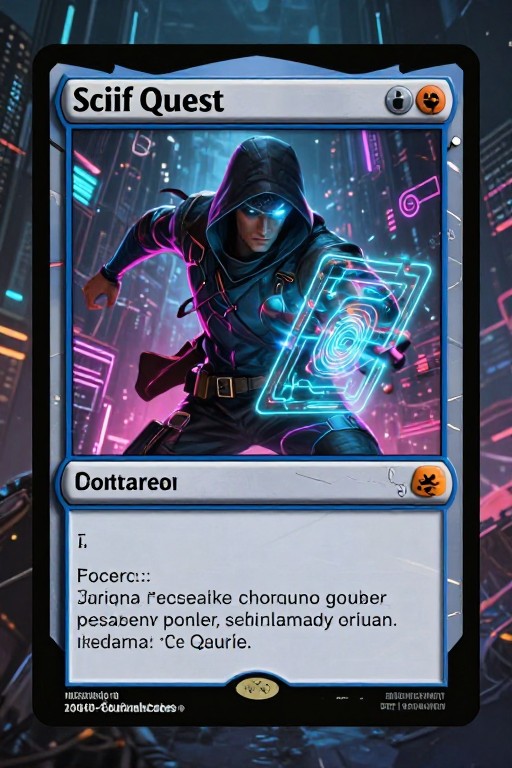
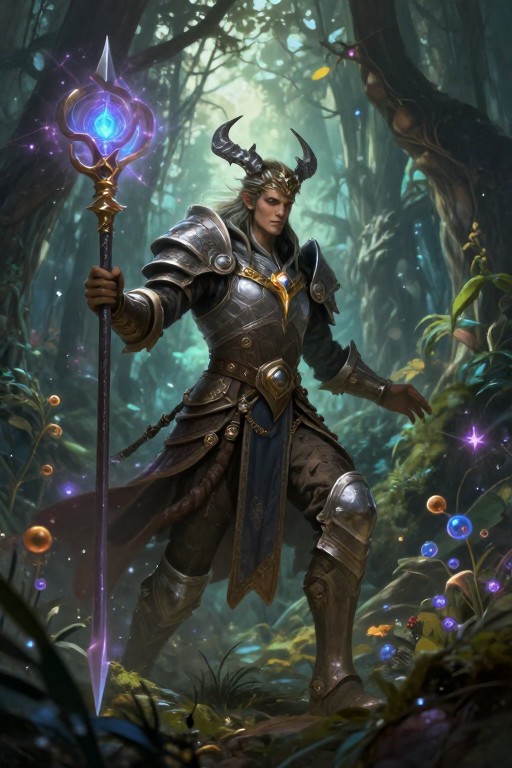
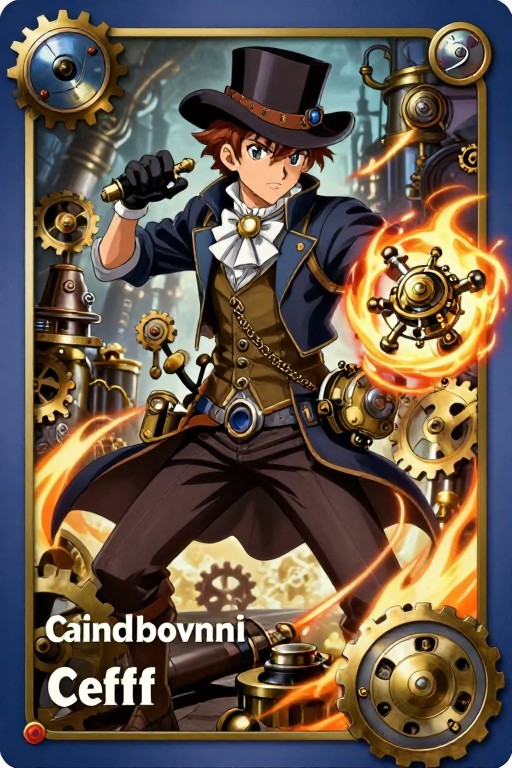
See what others have created
How to Get Started
Simple steps to create amazing results
Describe Your Card Concept
Enter details about your card game theme, character type, or scene. Specify the genre (fantasy, sci-fi, mystery, historical) and any specific elements you want included.
Choose Your Art Style
Select your preferred illustration style and customize settings like color palette, mood, and level of detail to match your game's aesthetic perfectly.
Generate & Download
Click generate and watch as AI creates your professional card illustration in minutes. Download in high resolution and use it immediately in your game.
Main Features
Powerful capabilities at your fingertips
Multiple Art Styles
Choose from various illustration styles including anime, realistic, watercolor, comic book, minimalist, and more to match your card game's unique aesthetic.
Full Customization Control
Customize card type, characters, themes, colors, backgrounds, and additional details to create illustrations that perfectly match your vision and game mechanics.
Lightning-Fast Creation
Generate professional-quality card illustrations in minutes, not hours. Perfect for rapid prototyping, playtesting, or completing entire card decks quickly.
High-Resolution Output
Download your illustrations in print-ready quality formats suitable for physical card production or digital game platforms.
Unlimited Iterations
Create as many variations as you need. Experiment with different styles, characters, and themes until you find the perfect illustration for each card.
Multi-Genre Support
From fantasy dragons to sci-fi spacecrafts, historical figures to mystery detectives—create illustrations for any card game genre imaginable.
Frequently Asked Questions
Everything you need to know
What types of card games can this generator create illustrations for?
How customizable are the illustrations?
How long does it take to generate the illustrations?
Can I use the generated illustrations commercially?
What resolution and format are the final illustrations?
Ready to Bring Your Card Game to Life?
Create stunning, professional card illustrations in minutes. No design skills required—just your imagination.