Cubist Pattern Generator
Transform your photos into stunning geometric artworks inspired by Cubism
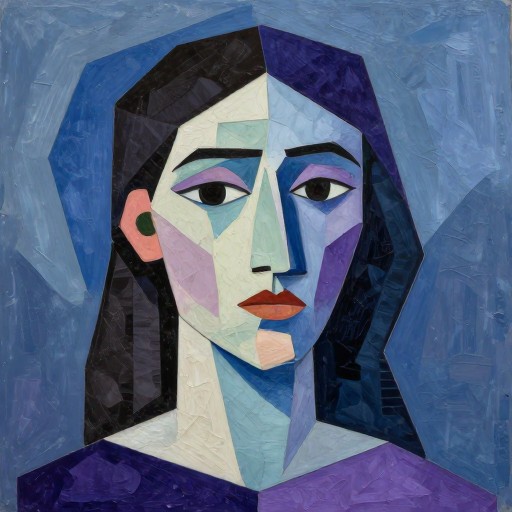
Cubist Pattern Generator Examples
See what others have created
How to Get Started
Simple steps to create amazing results
Enter Your Prompt
Describe the cubist artwork you want to create. Specify subjects, geometric forms, and any specific elements you'd like to include in your composition.
Select Your Style
Choose between Analytical or Synthetic Cubism styles, pick your preferred color palette (Warm, Cool, or Monochrome), and adjust complexity settings.
Generate & Download
Click generate and watch your cubist masterpiece come to life. Download in high resolution for prints, digital use, or further editing.
Main Features
Powerful capabilities at your fingertips
Dual Cubism Styles
Switch between Analytical Cubism with fragmented perspectives or Synthetic Cubism with bold collage-like compositions to match your artistic vision.
Customizable Color Palettes
Choose from carefully curated Warm, Cool, or Monochrome color schemes that capture the essence of classic cubist movements and modern interpretations.
Geometric Precision Controls
Adjust the level of fragmentation, angular complexity, and dimensional overlapping to create anything from subtle abstractions to bold geometric statements.
High-Resolution Output
Export your cubist patterns in crisp, high-resolution formats perfect for printing, digital art projects, backgrounds, or professional design work.
Instant AI Generation
Powered by advanced AI that understands cubist principles, generating sophisticated multi-perspective artwork in seconds with authentic artistic style.
Unlimited Variations
Create as many cubist patterns as you need with no limits. Experiment freely with different prompts, styles, and settings until you achieve perfection.
Frequently Asked Questions
Everything you need to know
Ready to Create Stunning Cubist Art?
Transform your ideas into geometric masterpieces with AI-powered cubist pattern generation.