Fairy Game Character Generator
Create enchanting fairy characters with custom outfits, magical abilities, and unique features for your games and stories
Fairy character
Your generated content will appear here
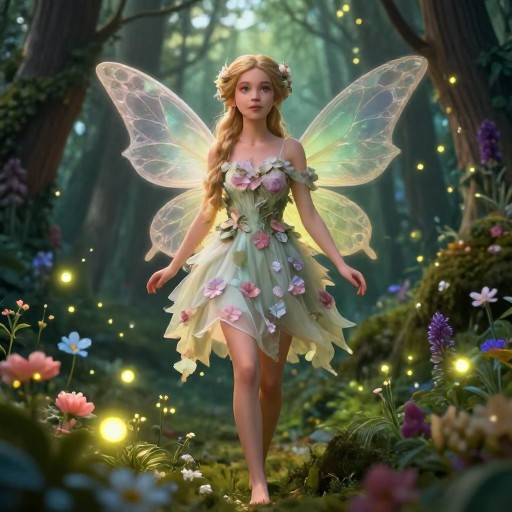
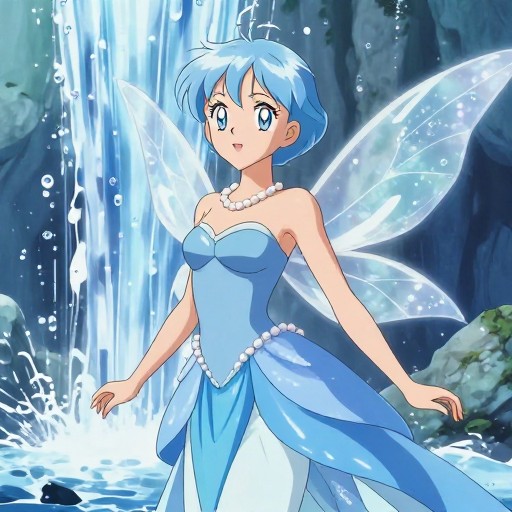
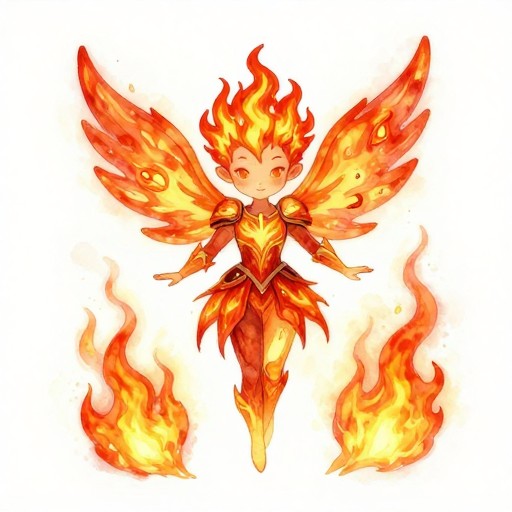
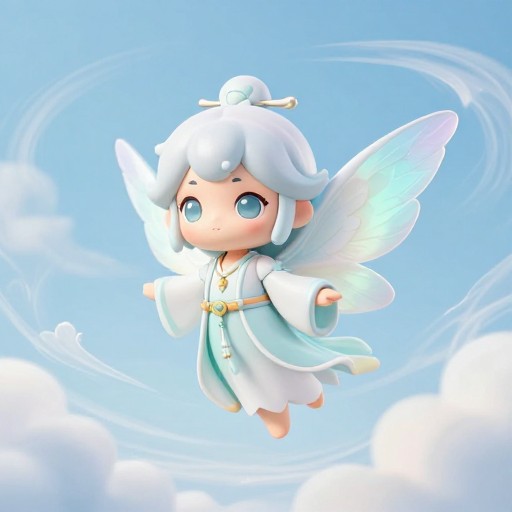
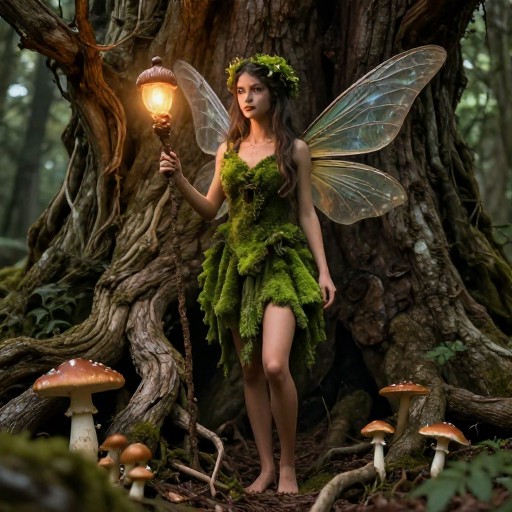
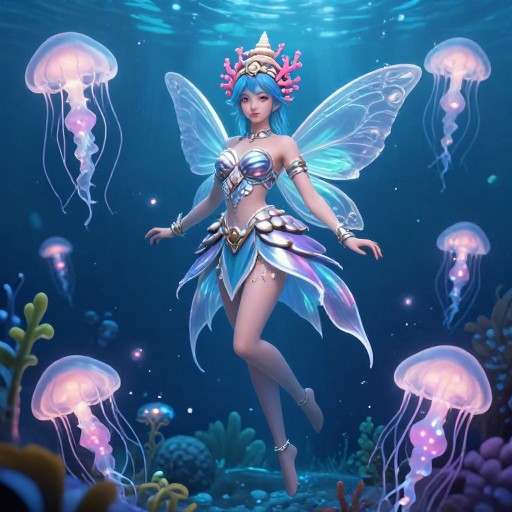
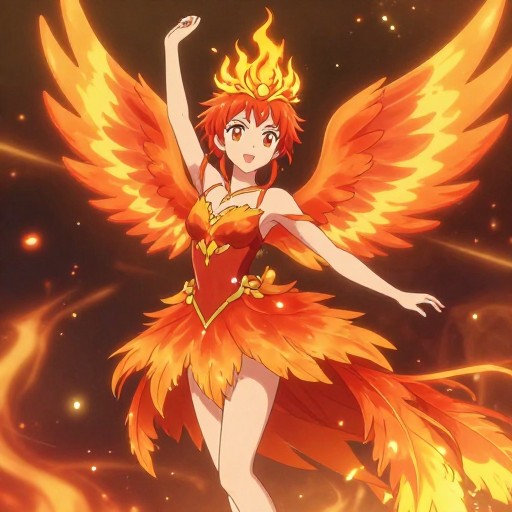
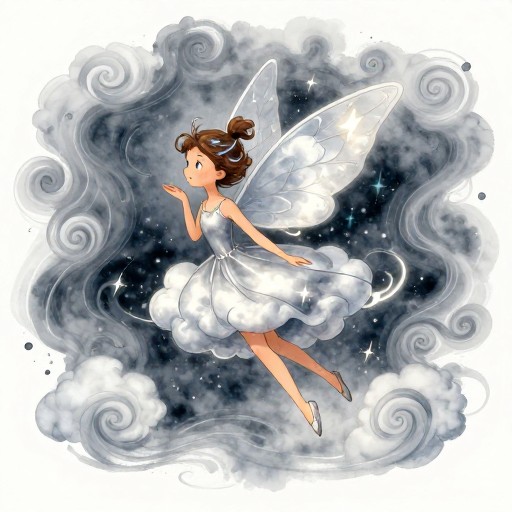
Fairy Game Character Generator Examples
See what others have created
How to Get Started
Simple steps to create amazing results
Describe Your Fairy
Enter details about your fairy's type, appearance, outfit, and magical abilities. Choose from woodland, water, fire, or celestial fairies.
Customize Settings
Adjust style preferences, color palettes, and magical effects. Fine-tune features like wings, accessories, and enchanted backgrounds.
Generate & Download
Click generate to create your unique fairy character. Download high-resolution images ready for games, stories, or artwork.
Main Features
Powerful capabilities at your fingertips
Magical Customization
Create endless variations with customizable fairy types, wings, outfits, and enchanted accessories tailored to your vision.
Stunning Visual Quality
Generate high-resolution fairy characters with beautiful details, vibrant colors, and professional game-ready artwork.
Multiple Fairy Types
Design woodland fairies, water fairies, fire fairies, celestial beings, and more with unique characteristics and powers.
Instant Downloads
Save your created fairy characters immediately in multiple formats, ready to use in games, stories, or creative projects.
Unlimited Generations
Create as many fairy characters as you need with no restrictions. Perfect for building entire fantasy worlds and game rosters.
Unique Every Time
Each generated fairy is one-of-a-kind with distinctive features, ensuring your characters stand out in any project.
Frequently Asked Questions
Everything you need to know
How do I start creating a fairy?
What types of fairies can I create?
Can I save my created fairy?
What image formats are available for download?
Can I use the generated fairies commercially?
How detailed can I make my fairy character?
Ready to Get Started?
Bring your magical fairy characters to life in seconds. Create stunning, unique game-ready fairies for your next project.