Fantasy Alphabet Generator
Create your own fantasy language and alphabet, tailored to your unique vision and theme
Fantasy alphabet
Your generated content will appear here
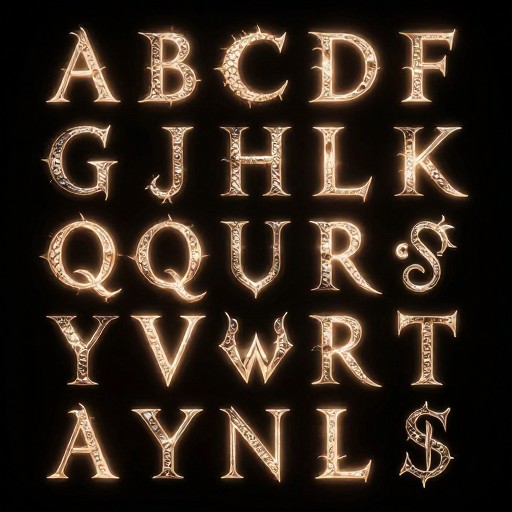
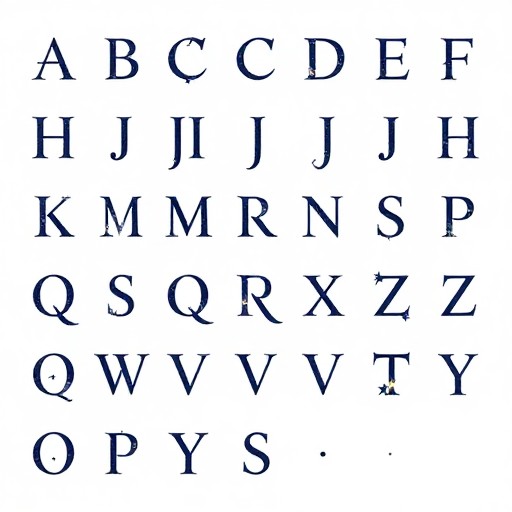
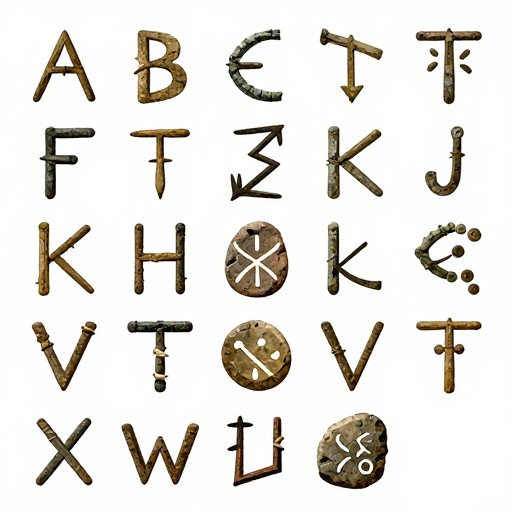
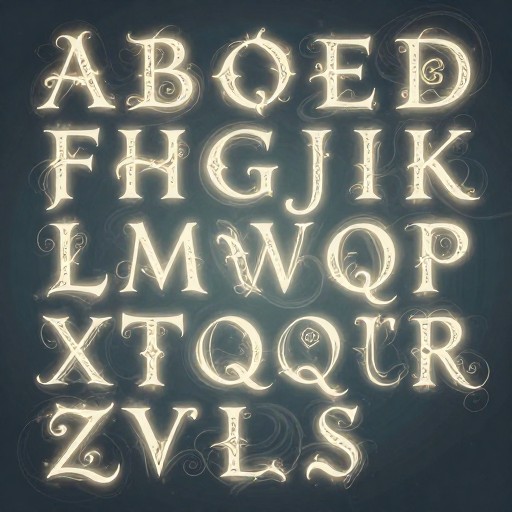
Fantasy Alphabet Generator Examples
See what others have created
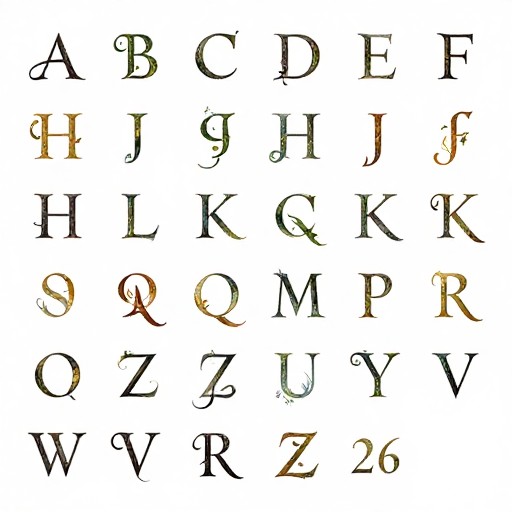
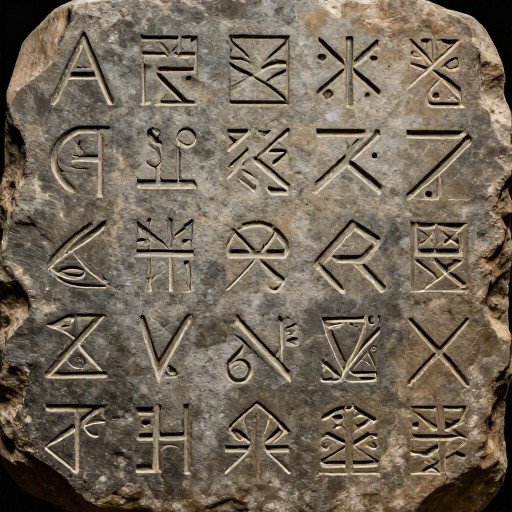
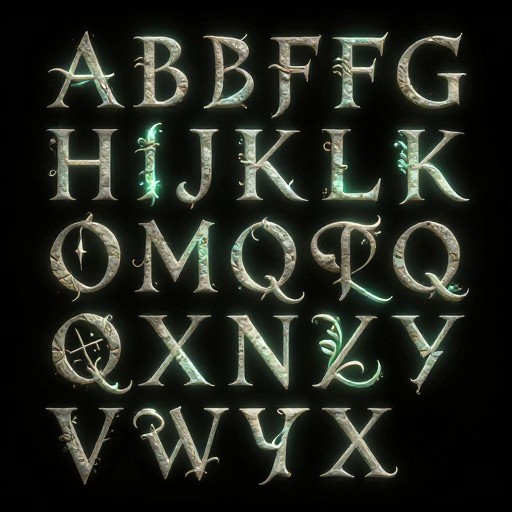
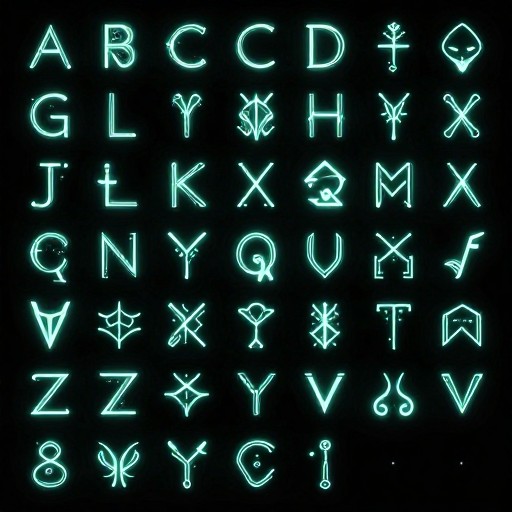
How to Get Started
Simple steps to create amazing results
Choose Your Style
Select from Elvish, Runic, Draconic, or other fantasy alphabet styles. Customize the aesthetic to match your world-building vision.
Generate Your Alphabet
Our AI instantly creates unique character sets with consistent design. Adjust symbols, curves, and complexity until perfect.
Download & Use
Export your custom alphabet in high-resolution formats. Use in games, novels, art projects, or any creative endeavor.
Main Features
Powerful capabilities at your fingertips
AI-Powered Design
Advanced algorithms create visually consistent alphabets with authentic fantasy aesthetics and unique character variations.
Customizable Styles
Choose from Elvish scripts, ancient runes, alien glyphs, magical symbols, and more. Adjust thickness, curves, and ornamental details.
Multiple Export Formats
Download your alphabets as PNG, SVG, or font files. Perfect for print, digital art, game development, and typography projects.
Complete Character Sets
Generate full alphabets with letters, numbers, and punctuation. Create cohesive writing systems for your fictional languages.
Instant Variations
Generate unlimited versions until you find the perfect match. Each generation is unique while maintaining your chosen style.
Professional Quality
High-resolution outputs suitable for publishing, game assets, tattoos, logos, and professional creative projects.
Frequently Asked Questions
Everything you need to know
What is a fantasy alphabet generator?
Can I customize my generated language?
Is the service suitable for beginners?
What file formats can I download?
Can I use these alphabets commercially?
How many different styles are available?
Ready to Create Your Fantasy Alphabet?
Design unique alphabets for your worlds in seconds. Perfect for writers, game developers, and world-builders.