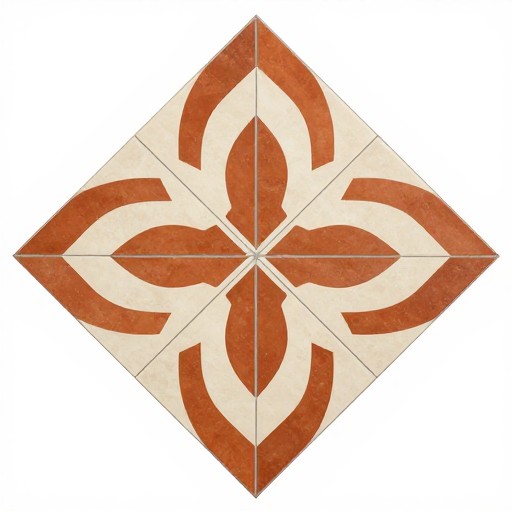
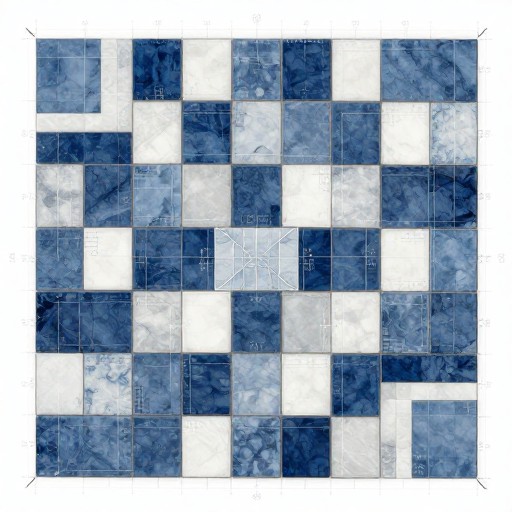
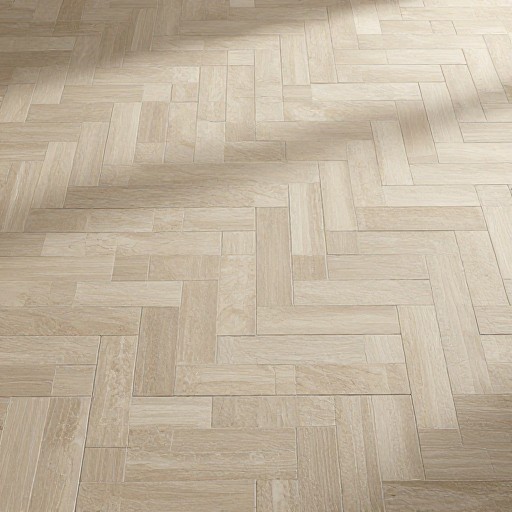
Herringbone Pattern Generator

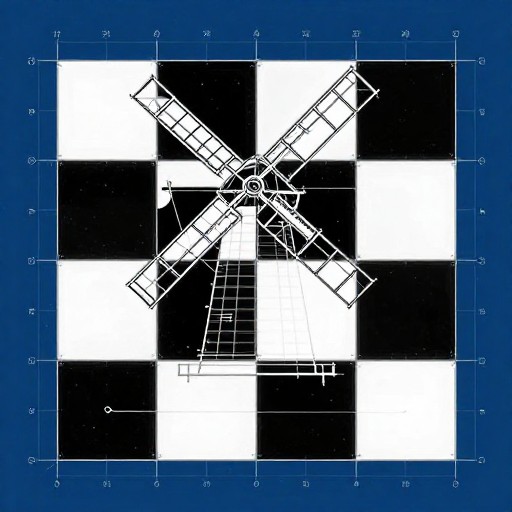
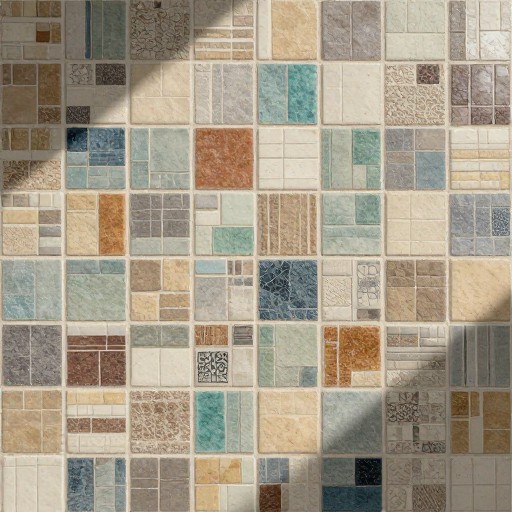
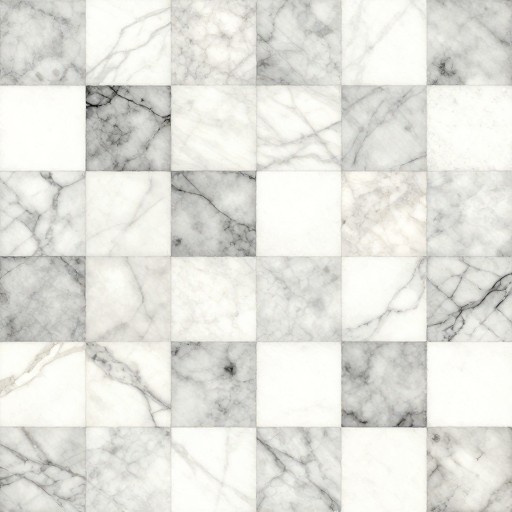
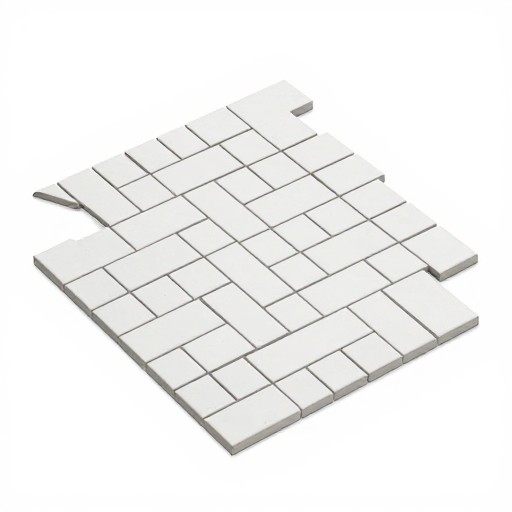
Create beautiful herringbone, windmill, and custom tile patterns with precise specifications

Try:
Generated

Herringbone Pattern Generator Examples

See what others have created
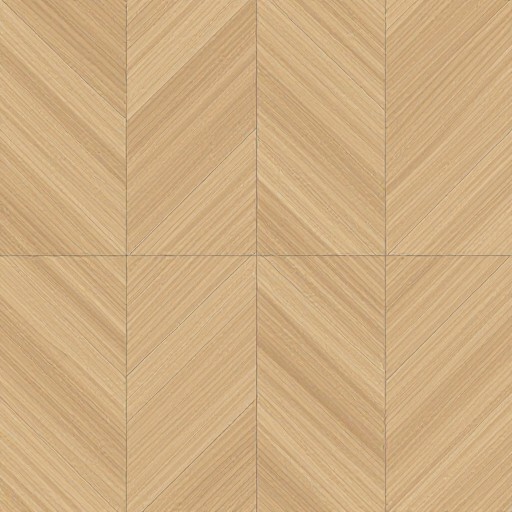
How to Get Started

Simple steps to create amazing results

1

Choose Your Dimensions

Enter your tile size and area dimensions to get the perfect herringbone layout for your space.

2

Customize Your Pattern

Select colors, adjust spacing, and fine-tune the herringbone angle to match your design vision.

3

Generate & Download

Click generate to create your pattern, then download it in high resolution for printing or digital use.

Main Features

Powerful capabilities at your fingertips

Custom Color Schemes

Choose from unlimited color combinations to create herringbone patterns that match your exact design preferences.

Adjustable Tile Sizes

Configure tile dimensions and spacing to generate patterns for any project size, from small accents to large floors.

High-Resolution Export

Download your herringbone patterns in crisp, high-quality formats ready for printing or digital presentation.

Instant Preview

See your herringbone design update in real-time as you adjust settings and colors.

Precise Measurements

Input exact dimensions to create patterns that perfectly fit your flooring, wall, or design project.

Unlimited Variations

Generate as many herringbone pattern variations as you need until you find the perfect design.

Did You Know?

Interesting Things You Might Not Know About Herringbone Pattern

Ancient Roman Roads

The herringbone pattern was used in Roman roads as early as 100 BCE, with excavated sections of the Via Appia showing interlocking stone laid at 45-degree angles for superior load distribution and drainage.

Name Origin Mystery

The pattern gets its name from the skeleton of the herring fish, though the term wasn't recorded in English until 1659, despite the pattern being used for over 2,000 years prior.

Medieval Status Symbol

In 14th-century Europe, herringbone wood flooring cost approximately 3-4 times more than straight plank flooring due to the 30% additional labor time required for precise cutting and installation.

Fabric Engineering

Herringbone twill fabric is approximately 25% more durable than plain weave due to its diagonal structure, which distributes stress across multiple yarns rather than perpendicular threads.

Versailles Palace Floor

The Palace of Versailles features over 150,000 square feet of herringbone parquet flooring installed between 1684-1686, requiring an estimated 800,000 individual wood pieces cut by hand.

Brick Conservation

Herringbone brick paving uses approximately 12% fewer bricks than traditional running bond patterns while providing superior structural stability, making it popular in Tudor England during periods of brick scarcity.

Fashion Revolution

Coco Chanel popularized herringbone tweed suits in 1924, sourcing fabric from Scottish mills where the pattern had been woven since the 1800s for its ability to hide stains and wear.

Optical Illusion Effect

The herringbone pattern creates a visual illusion that makes floors appear 15-20% wider than they actually are due to the diagonal lines drawing the eye across the space.

Japanese Temple Tradition

The Kiyomizu-dera temple in Kyoto, built in 778 CE, features herringbone wood flooring in its main hall that has survived over 1,200 years due to the pattern's exceptional load-bearing properties.

Industrial Revolution Adoption

By 1870, over 60% of textile mills in Lancashire, England used herringbone cotton weave for work clothing because the pattern required 40% less frequent replacement than plain weaves.

Architectural Strength

Modern engineering studies show that herringbone-patterned structures can withstand up to 35% more lateral force than perpendicular patterns, which is why it's still specified for high-traffic commercial spaces.

Natural Occurrence

The herringbone pattern appears naturally in over 50 species of palm fronds and certain mineral crystals, suggesting its structural efficiency is so optimal that nature independently evolved the same design.

Frequently Asked Questions

Everything you need to know

You can generate various tile patterns including Herringbone, Windmill, random patterns, and more.
Yes, our tile pattern generator is free to use. You can create and customize patterns without any cost.
Absolutely! You can input your area dimensions, tile dimensions, and any additional preferences to create a pattern that suits your needs.
You can download your herringbone patterns in popular formats including PNG and JPG, optimized for both print and digital use.
Yes, all generated herringbone patterns are free to use for both personal and commercial projects without attribution required.
The generator uses precise calculations to ensure your herringbone pattern matches your specified dimensions exactly, making it perfect for planning real installations.

Ready to Create Your Perfect Herringbone Pattern?

Generate stunning, custom herringbone designs in seconds. Free, unlimited, and no sign-up required.