Manga Art Generator
Create stunning manga art from your ideas. Generate traditional or modern manga panels with AI-powered precision.
Manga Art
Your generated content will appear here
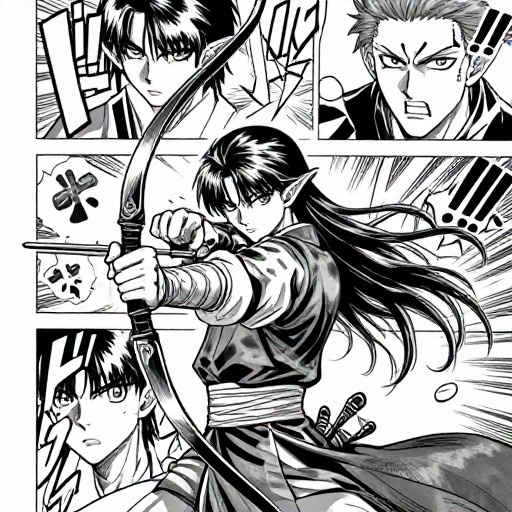
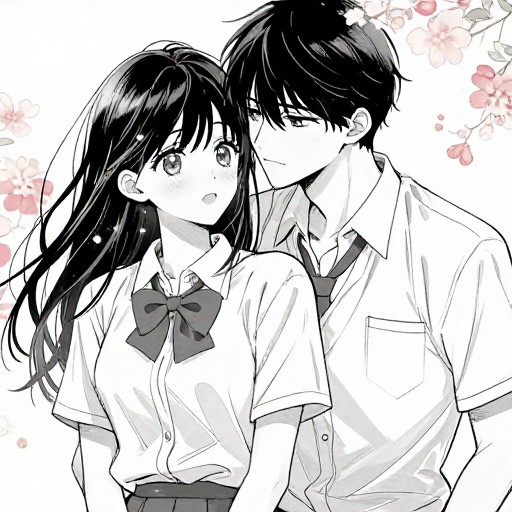
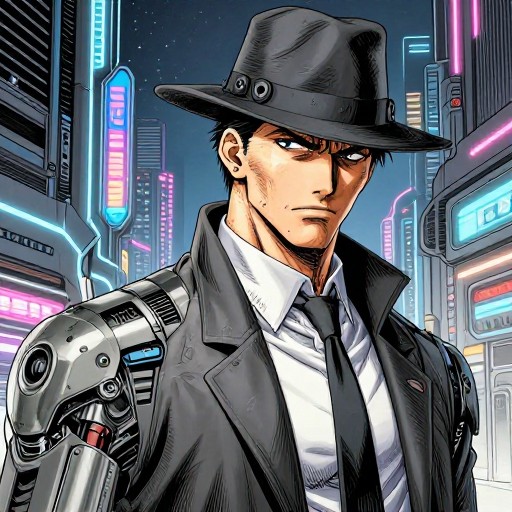
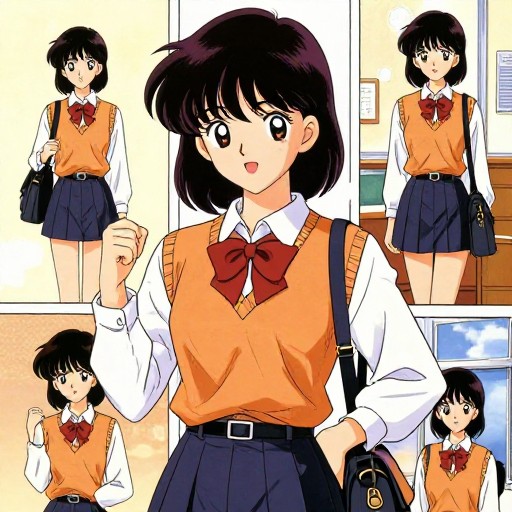
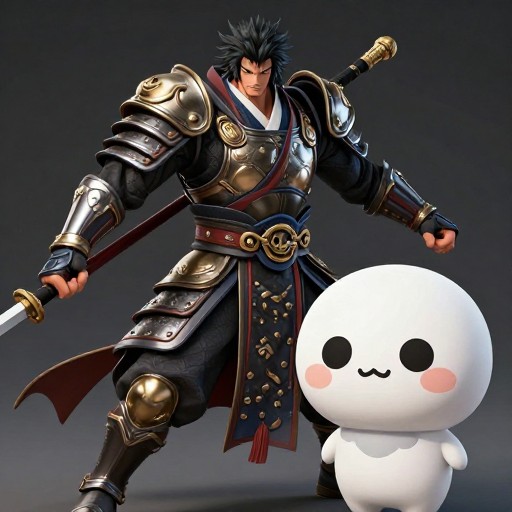
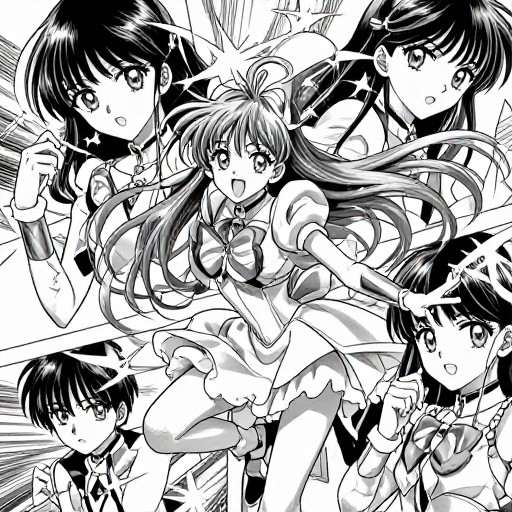
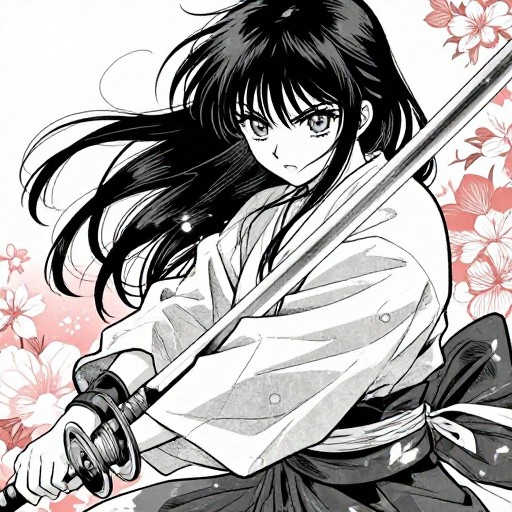
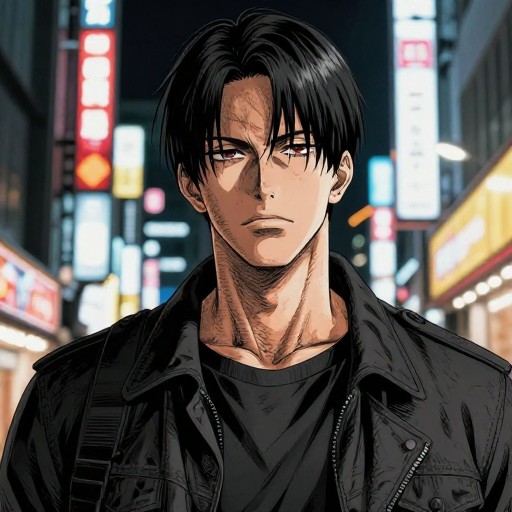
Manga Art Generator Examples
See what others have created
How to Get Started
Simple steps to create amazing results
Describe Your Character
Enter your character details, theme, and art style preferences. Include specific traits like hair color, outfit, expressions, and the manga style you want.
Customize Your Art
Fine-tune your settings by adjusting art style options, panel layouts, and visual effects. Upload reference images if you want to match a specific look.
Generate & Download
Click generate and watch as AI creates your manga art in seconds. Download your high-resolution artwork and use it for any creative project.
Main Features
Powerful capabilities at your fingertips
AI-Powered Creation
Advanced algorithms transform your descriptions into stunning manga artwork with authentic Japanese comic book styling and professional quality.
Multiple Art Styles
Choose from various manga styles including shonen, shojo, seinen, chibi, and more. Customize line thickness, shading, and color schemes.
Reference Image Support
Upload your own images or provide URLs to guide the AI. Perfect for character consistency and maintaining your unique artistic vision.
High-Resolution Export
Download your manga art in multiple formats and resolutions, ready for printing, digital publishing, or social media sharing.
Lightning Fast Results
Generate professional manga illustrations in seconds. No drawing skills required—just describe what you want and let AI do the work.
Panel & Page Layouts
Create complete manga pages with multiple panels, speech bubbles, and dynamic compositions perfect for storytelling and comics.
Frequently Asked Questions
Everything you need to know
How does the AI manga generator work?
Can I use my own images?
Is the service free?
What styles of manga can I create?
Can I use the generated manga commercially?
How detailed should my character description be?
Ready to Create Your Manga Masterpiece?
Join thousands of artists and creators bringing their manga visions to life with AI-powered art generation.