Minimalist Portrait Generator
Transform your photos into stunning minimalist art with AI-powered portrait generation
Minimalist Portrait
Your generated content will appear here
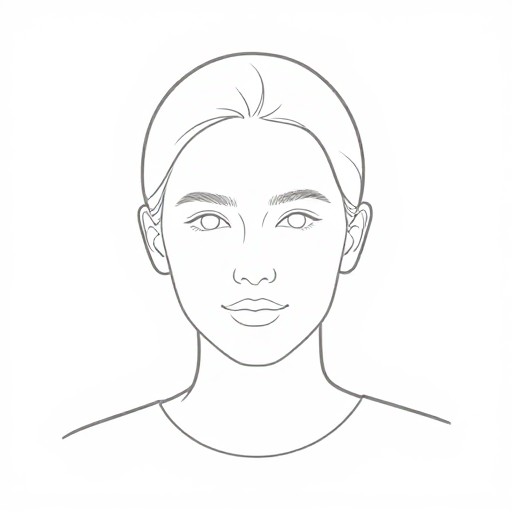
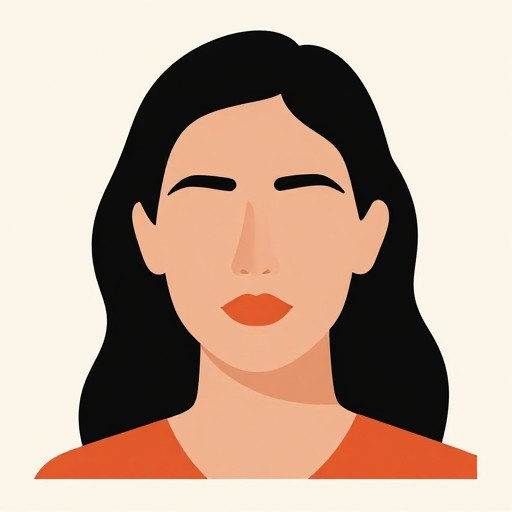
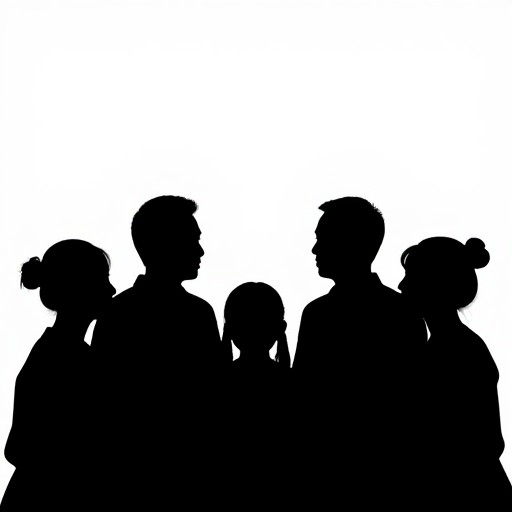
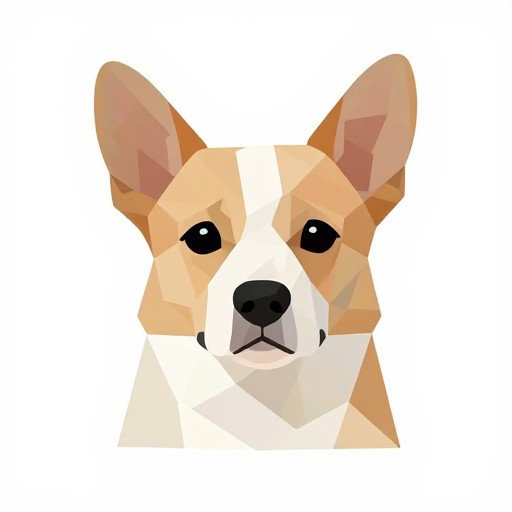
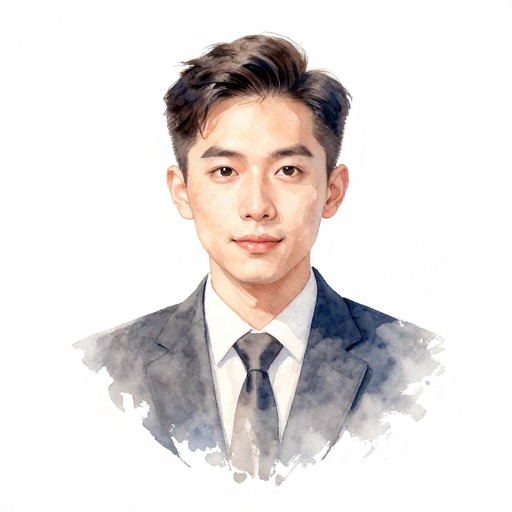
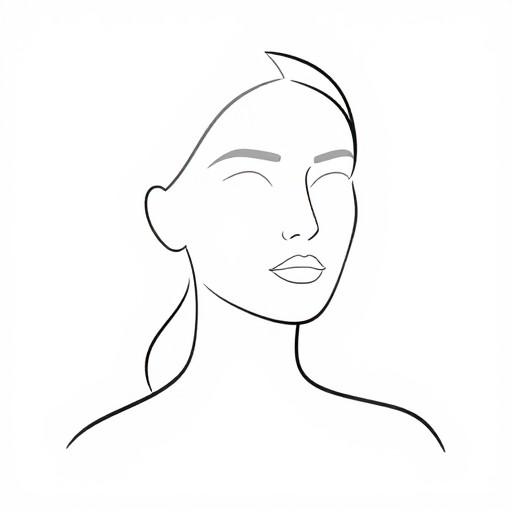
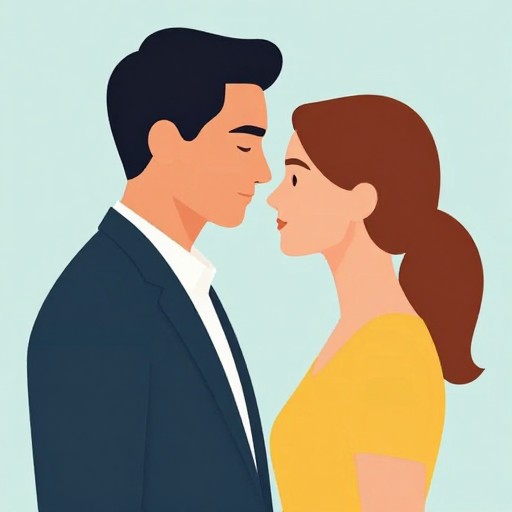
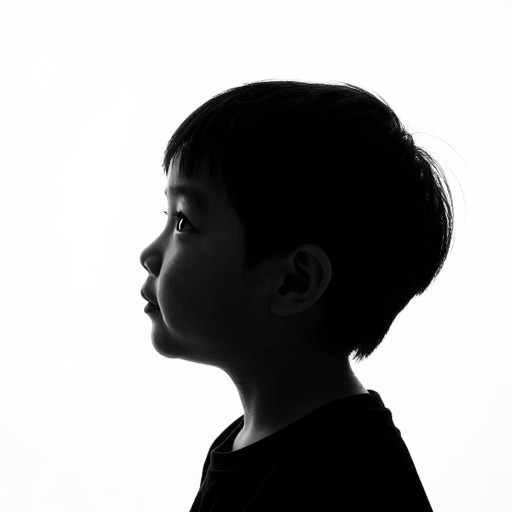
Minimalist Portrait Generator Examples
See what others have created
How to Get Started
Simple steps to create amazing results
Upload Your Photo
Choose a clear photo or describe the portrait you want to create. Our AI works best with front-facing images with good lighting.
Select Minimalist Style
Pick your preferred minimalist aesthetic - line art, geometric shapes, abstract forms, or monochrome. Adjust colors and complexity to match your vision.
Generate & Download
Let our AI create your minimalist portrait in seconds. Download in high resolution, perfect for social media, prints, or digital use.
Main Features
Powerful capabilities at your fingertips
Pure Minimalist Aesthetics
Generate clean, sophisticated portraits with essential lines and shapes. Our AI captures your essence while maintaining elegant simplicity.
Customizable Color Schemes
Choose from monochrome, duotone, or custom color palettes. Create portraits that match your brand or personal style perfectly.
Lightning-Fast Generation
Get your minimalist portrait in seconds. No waiting, no complicated software - just beautiful, instant results every time.
High-Resolution Downloads
Download your portraits in crisp, high-quality formats suitable for printing, web use, or social media. Perfect quality guaranteed.
Multiple Style Variations
Experiment with different minimalist approaches - from geometric abstractions to continuous line drawings. Find your perfect style.
Professional Quality Output
Gallery-worthy portraits that look hand-crafted by professional designers. Perfect for personal branding, gifts, or wall art.
Frequently Asked Questions
Everything you need to know
How do I use the AI portrait generator?
Is the AI portrait generator free to use?
What minimalist styles are available?
Can I use the generated portraits for commercial purposes?
What image format will I receive?
Ready to Get Started?
Create stunning minimalist portraits in seconds. Transform your photos into timeless art with the power of AI.