Psychedelic Album Cover Generator
Create trippy and psychedelic album covers that transform your music into a visual masterpiece
Album cover
Your generated content will appear here
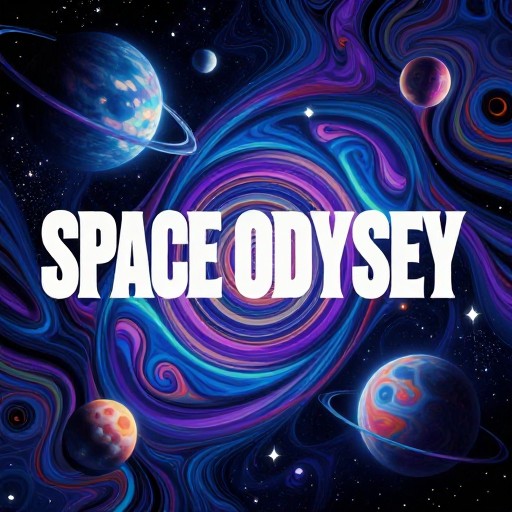
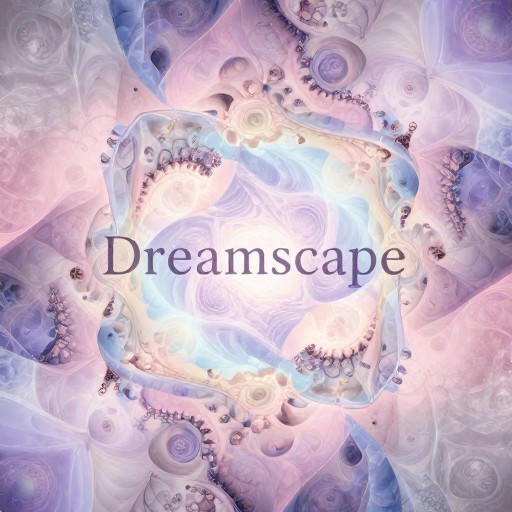
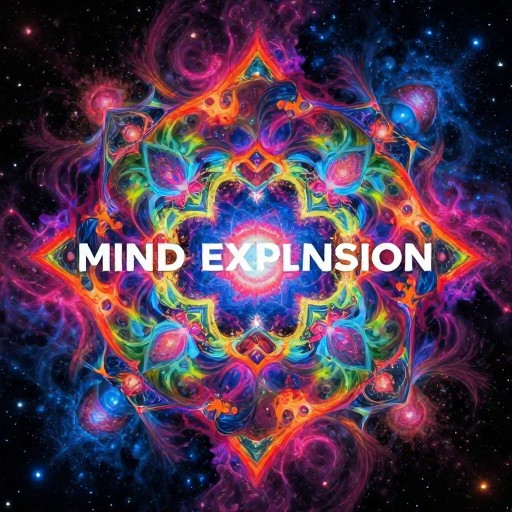
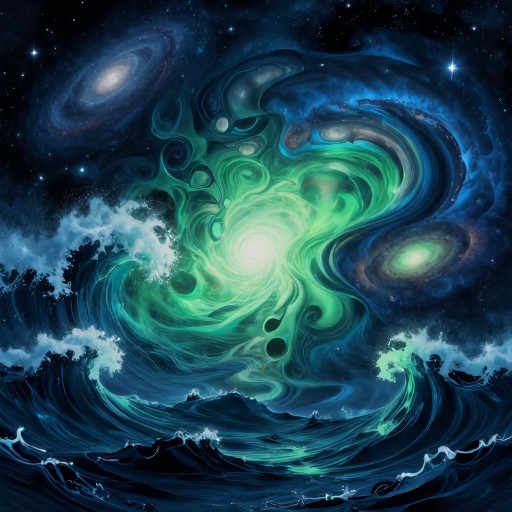
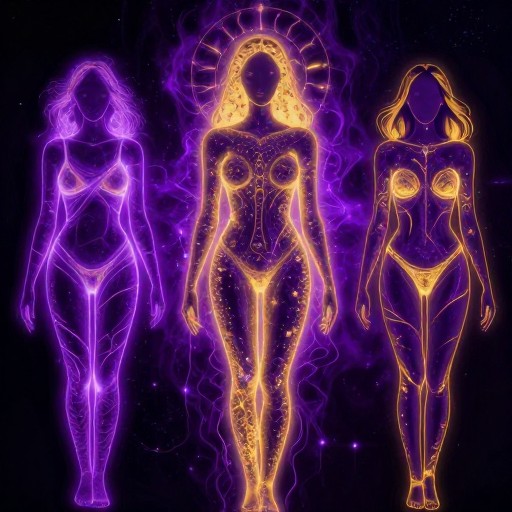
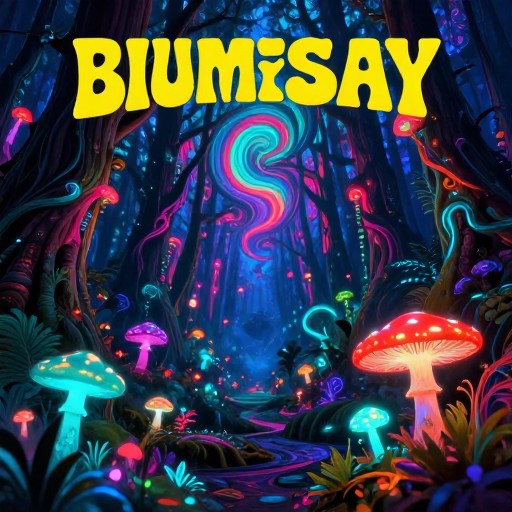
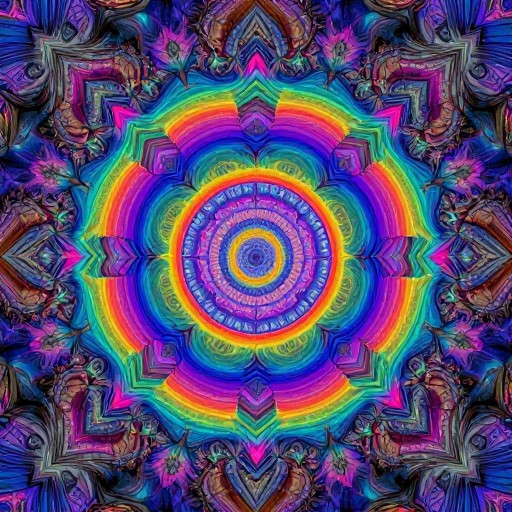
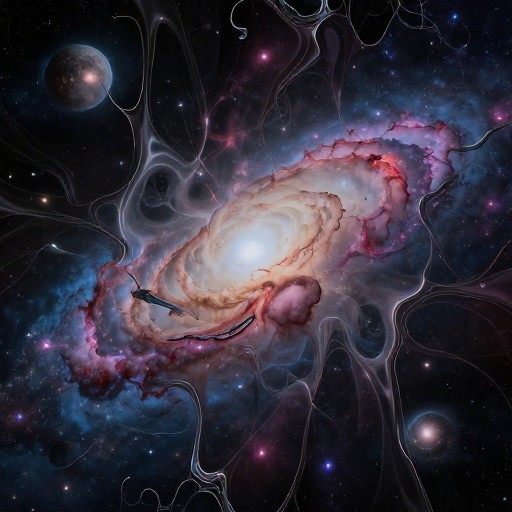
Psychedelic Album Cover Generator Examples
See what others have created
How to Get Started
Simple steps to create amazing results
Enter Your Album Details
Provide your album title, artist name, and the main theme or concept you want to explore. Think trippy, cosmic, groovy, or whatever vibe fits your music.
Choose Your Visual Style
Select your preferred color scheme and psychedelic elements. Customize the intensity of effects, patterns, and visual motifs to match your artistic vision.
Generate and Download
Click generate to create your unique psychedelic album cover. Review the result, regenerate if desired, then download in high resolution for your release.
Main Features
Powerful capabilities at your fingertips
Vibrant Psychedelic Styles
Create stunning visuals with authentic 60s-70s psychedelic aesthetics, modern trippy designs, or cosmic surreal art that captures the essence of your music.
AI-Powered Customization
Advanced AI interprets your themes and concepts to generate unique, one-of-a-kind album covers that perfectly match your artistic vision and musical style.
Print-Ready Quality
Download your album art in high-resolution formats suitable for streaming platforms, vinyl records, CD packaging, and all promotional materials.
Unlimited Iterations
Generate as many variations as you need until you find the perfect cover. Experiment with different themes, colors, and styles without limitations.
Genre-Specific Templates
Choose from templates optimized for rock, electronic, hip-hop, indie, and other genres with psychedelic visual elements tailored to each style.
Instant Results
Get professional-quality psychedelic album covers in seconds. No design skills or expensive software required—just your creative vision.
Frequently Asked Questions
Everything you need to know
What is a psychedelic album cover generator?
How do I customize my album cover?
Can I use the generated art for commercial purposes?
What image formats are available for download?
How many designs can I generate?
Do I need design experience to use this tool?
Ready to Get Started?
Create stunning psychedelic album covers that capture your music's essence. Start generating unique, professional artwork in seconds.