Random Sprite Generator
Create unique pixel art sprites for your games and projects—from spaceships to RPG characters
Sprite Preview
Your generated content will appear here
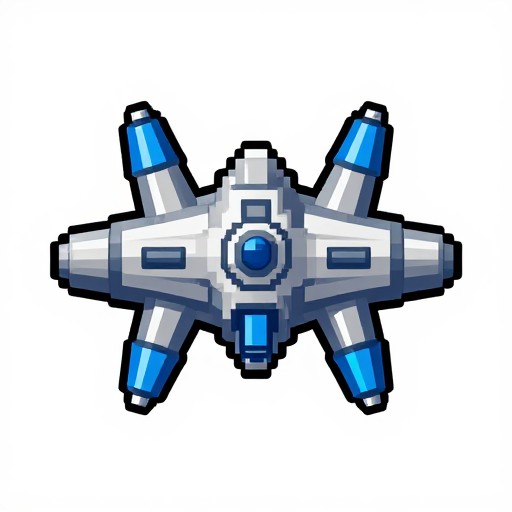
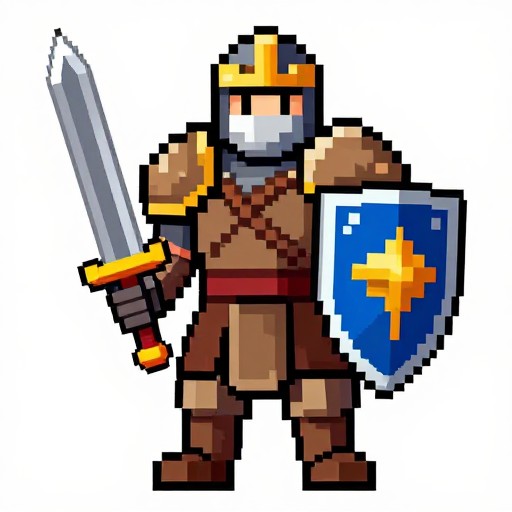
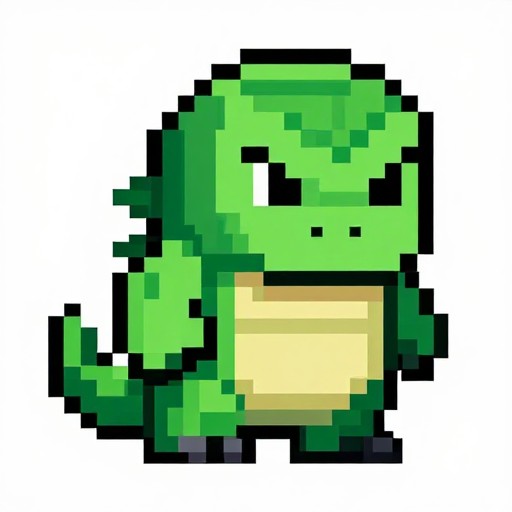
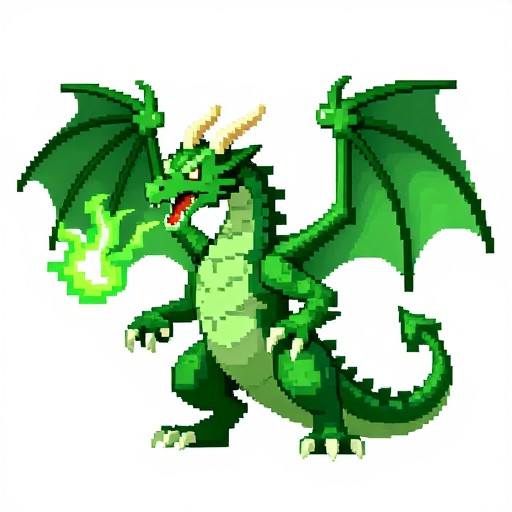
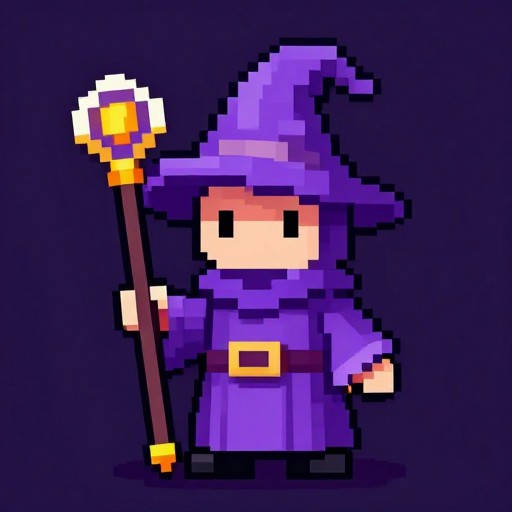
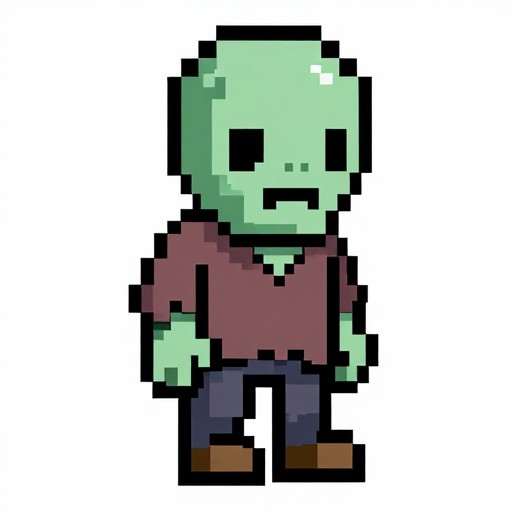
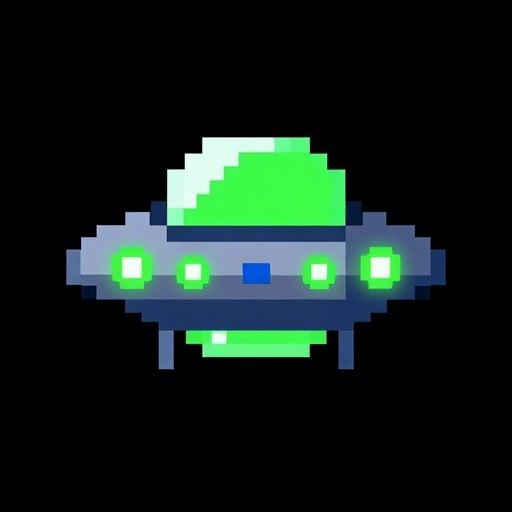
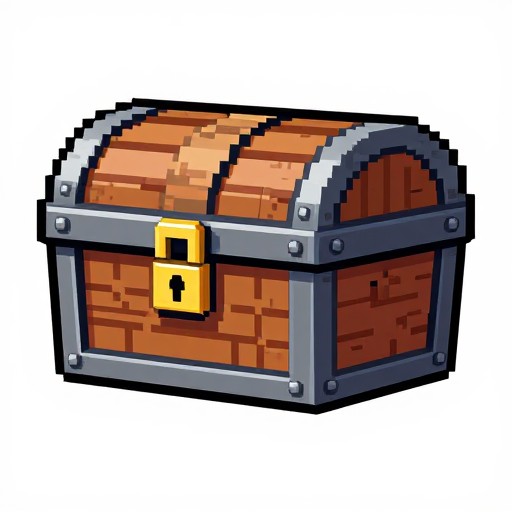
Random Sprite Generator Examples
See what others have created
How to Get Started
Simple steps to create amazing results
Choose Your Sprite Type
Select from various categories like characters, spaceships, items, or creatures. Define the style and theme that matches your project vision.
Customize Settings
Adjust dimensions (32x32, 64x64, etc.), color palettes, and complexity levels. Fine-tune the randomization parameters to get exactly what you need.
Generate & Download
Click generate to create unique sprites instantly. Download your pixel-perfect assets and import them directly into your game or project.
Main Features
Powerful capabilities at your fingertips
Smart Randomization
Advanced algorithms create unique, coherent sprites every time while maintaining visual consistency and quality standards.
Customizable Color Schemes
Choose from preset palettes or create your own color combinations. Perfect for matching your game's art style and theme.
Flexible Dimensions
Generate sprites in any size from tiny 16x16 icons to detailed 128x128 characters. Perfect for any project scale.
Unlimited Generations
Create as many sprites as you need with no limits. Iterate until you find the perfect asset for your project.
Multiple Export Formats
Download your sprites in PNG, SVG, or sprite sheet formats. Ready to import into any game engine or design tool.
Instant Results
Generate professional-quality pixel art sprites in milliseconds. No artistic skills or complex software required.
Frequently Asked Questions
Everything you need to know
What types of sprites can I generate?
Can I customize the sprite dimensions?
Is the sprite generation process randomized?
Can I use the generated sprites commercially?
Ready to Get Started?
Create unlimited unique pixel art sprites for your games and projects in seconds. No design experience needed.