Demystifying AI for Marketing: A Practical Guide for Marketers
Forget the hype. This guide shows you exactly how marketing teams are using AI tools today, from content creation to campaign optimization. Real tactics, with honest assessments of what artificial intelligence does well and where it falls short.
 by David LaubJan 15, 202618 min read
The Marketing AI Reality
AI marketing tools have become standard in the modern digital marketing stack. Not because they replace marketers, but because they amplify what good marketing teams can do. The teams seeing real results aren't using AI for "transformation" or "disruption." They're using artificial intelligence to do more of what already works.
From generative AI platforms like ChatGPT and Jasper to AI-powered tools like Canva and HubSpot, AI in marketing has moved from experimental to essential. Whether you're at a startup, small business, or enterprise, the same principles apply: start with high-volume tasks, measure what works, and scale.
This guide focuses on the practical applications that matter most: content generation, marketing automation, and AI-driven decision-making. We'll cover real workflows, specific prompting techniques, and honest assessments of where AI helps your marketing efforts and where it falls short.
The Short Version
How Marketers Actually Use AI
Forget the theoretical use cases. Here's what marketing teams are actually doing with AI marketing tools every day. These are the automation workflows that save real time, not the hypothetical scenarios from vendor demos.
The key to AI in marketing is starting with data-driven decisions about which tasks to automate. Focus on high-volume, repetitive work where machine learning and natural language processing can streamline your marketing strategy. Content marketing, social media management, email copywriting, and customer segmentation are the most common starting points.
Written Content & Copywriting
Generate SEO-optimized outlines and content marketing drafts in minutes
Platform-specific variations with proper tone for LinkedIn, Instagram, and more
Draft entire nurture campaigns with personalization and segmentation placeholders
Generate search engine optimized copy for hundreds of product SKUs
Visual Content Generation
Create scroll-stopping AI-generated visuals without waiting on designers
Place products in lifestyle contexts for ads and e-commerce listings
Generate dozens of image variants for A/B testing and conversion rate optimization
Custom illustrations and diagrams for webinars and sales decks
Video & Audio Automation
Draft scripts for product demos, tutorials, and social media marketing
Generate natural-sounding narration in multiple languages for global marketing campaigns
Turn product photos into animated marketing videos for customer engagement
Royalty-free tracks that match your brand voice and messaging
Research & Marketing Strategy
Analyze competitor messaging and content gaps for competitive advantage
Find content opportunities and search engine intent patterns using predictive analytics
Synthesize customer feedback into actionable insights and target audiences
Track industry conversations and emerging topics for data-driven decision-making
AI-Powered Content Creation
Content creation is where most marketers start with AI. The AI-powered tools have gotten remarkably good at generating first drafts, variations, and platform-specific adaptations. Machine learning algorithms can now produce high-quality marketing copy that's often indistinguishable from human-written content.
Generative AI has transformed content marketing. Tools like ChatGPT excel at copywriting tasks: social media posts, email sequences, blog outlines, and ad copy. Jasper offers specialized marketing templates with brand voice controls. For visual content, Canva's AI-generated designs and AI image generators create everything from social graphics to e-commerce product shots.
The pricing varies widely. Many AI marketing tools offer free tiers for small businesses and startups. Enterprise marketing platforms like HubSpot integrate AI features into existing CRM and marketing automation workflows. The key is finding tools that fit your existing marketing platform and don't require extensive API integration or technical setup.
Real Marketing Prompts in Action
Marketing AI Tools to Try
AI in Action: Product Photo to Marketing Campaign
One product photo becomes a full marketing campaign in under 5 minutes. Here's the workflow.
Start with Your Product Photo
A simple product shot on any background
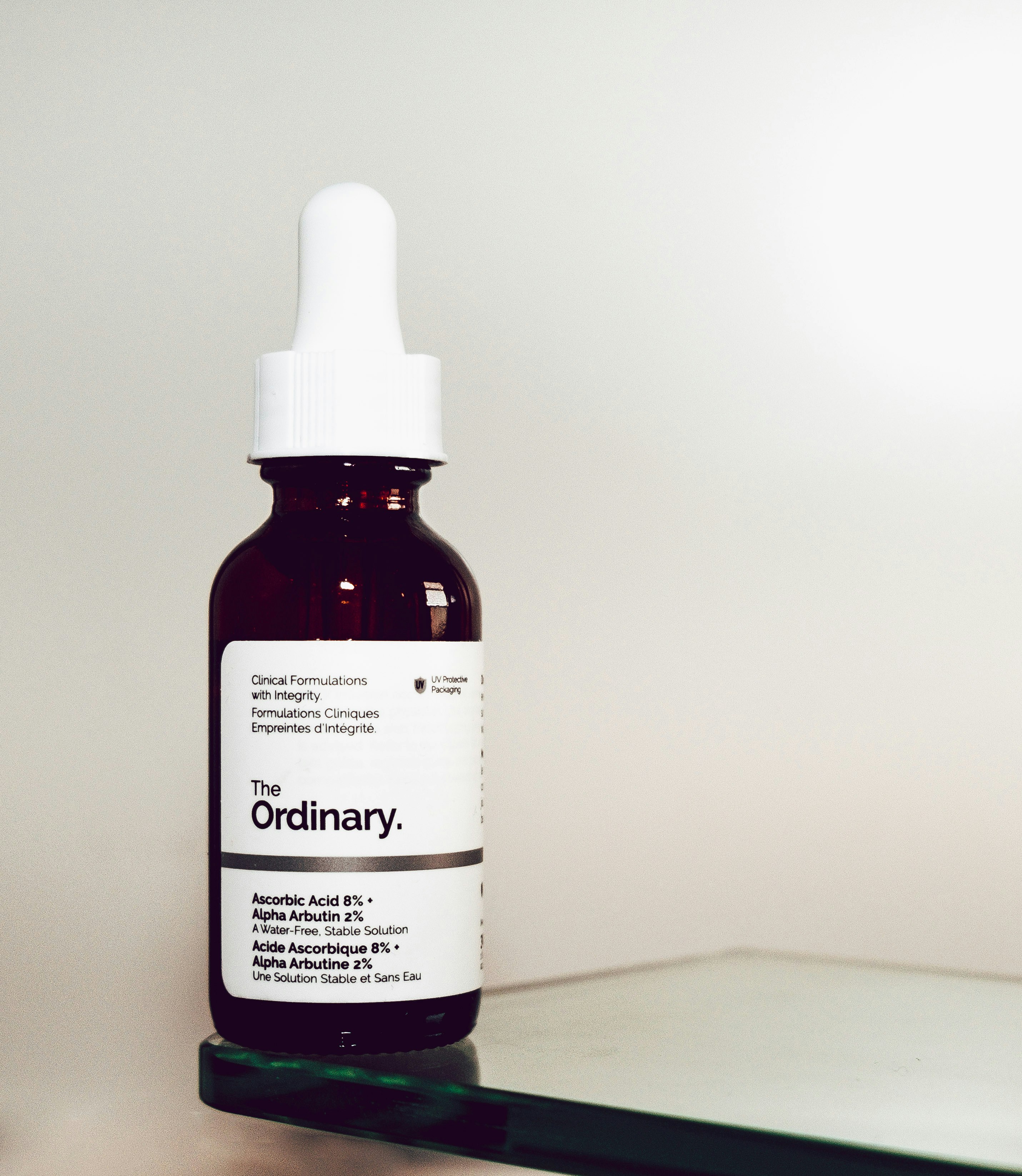
Original product photo
Generate Lifestyle Mockups
AI places your product in multiple contexts instantly
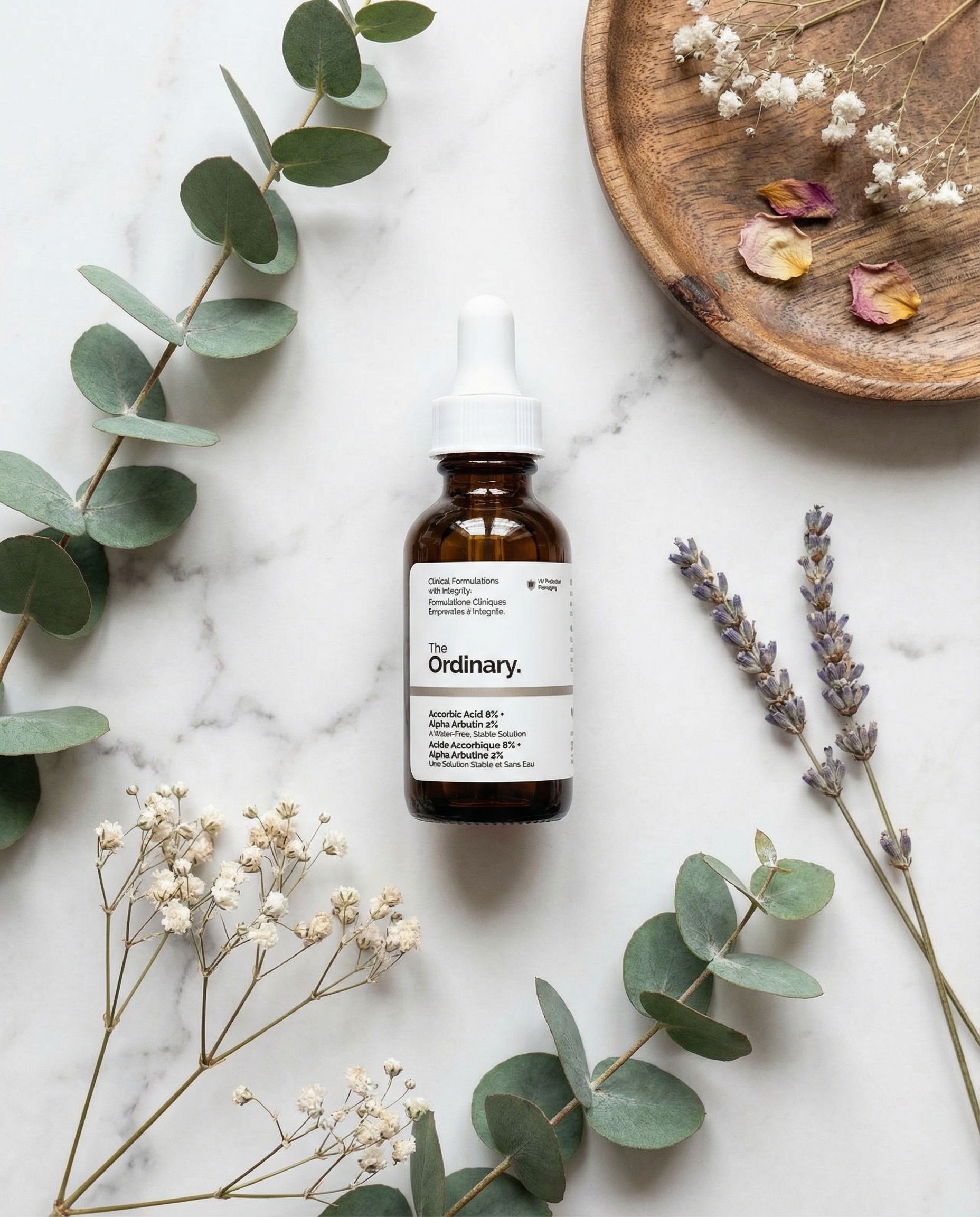
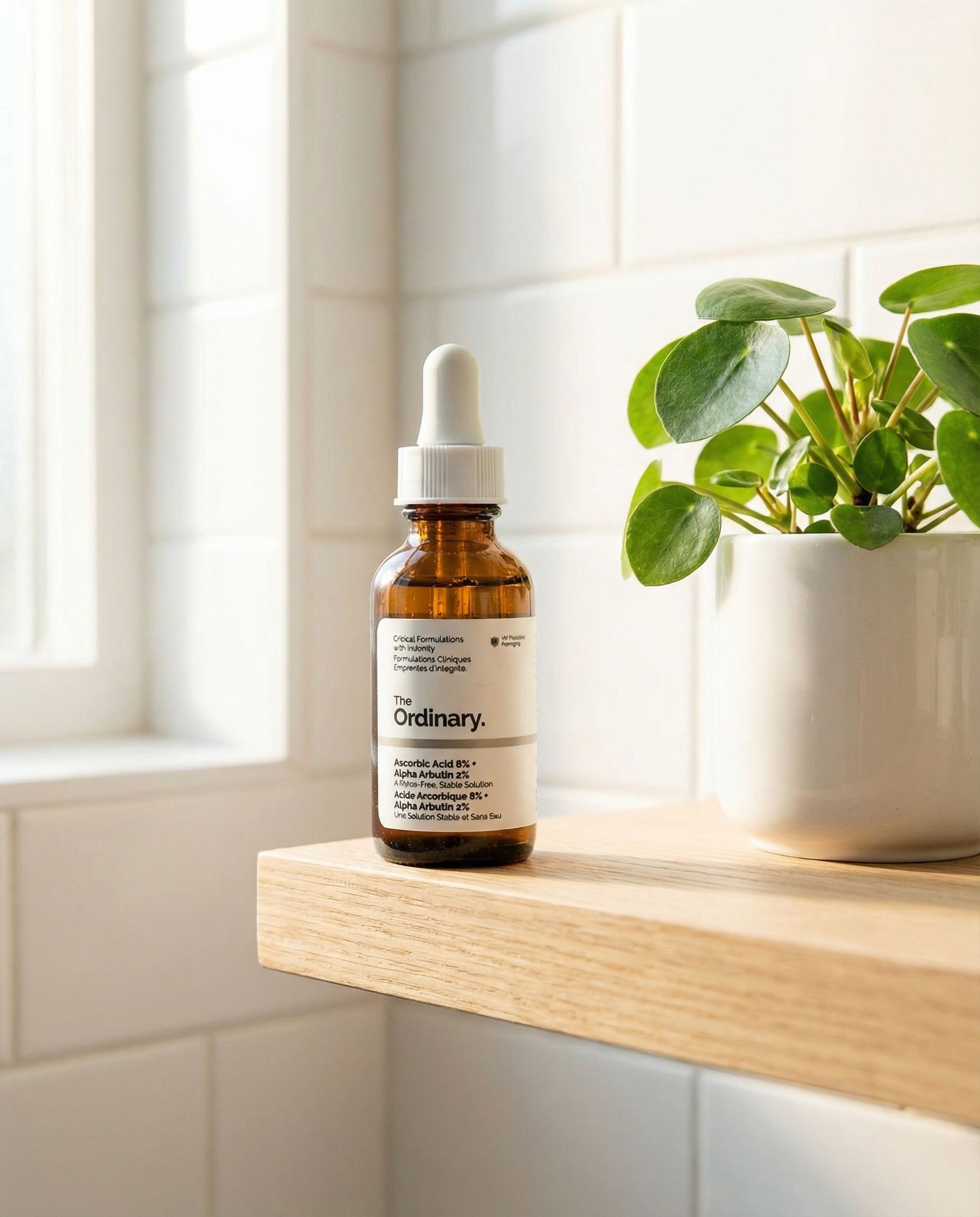
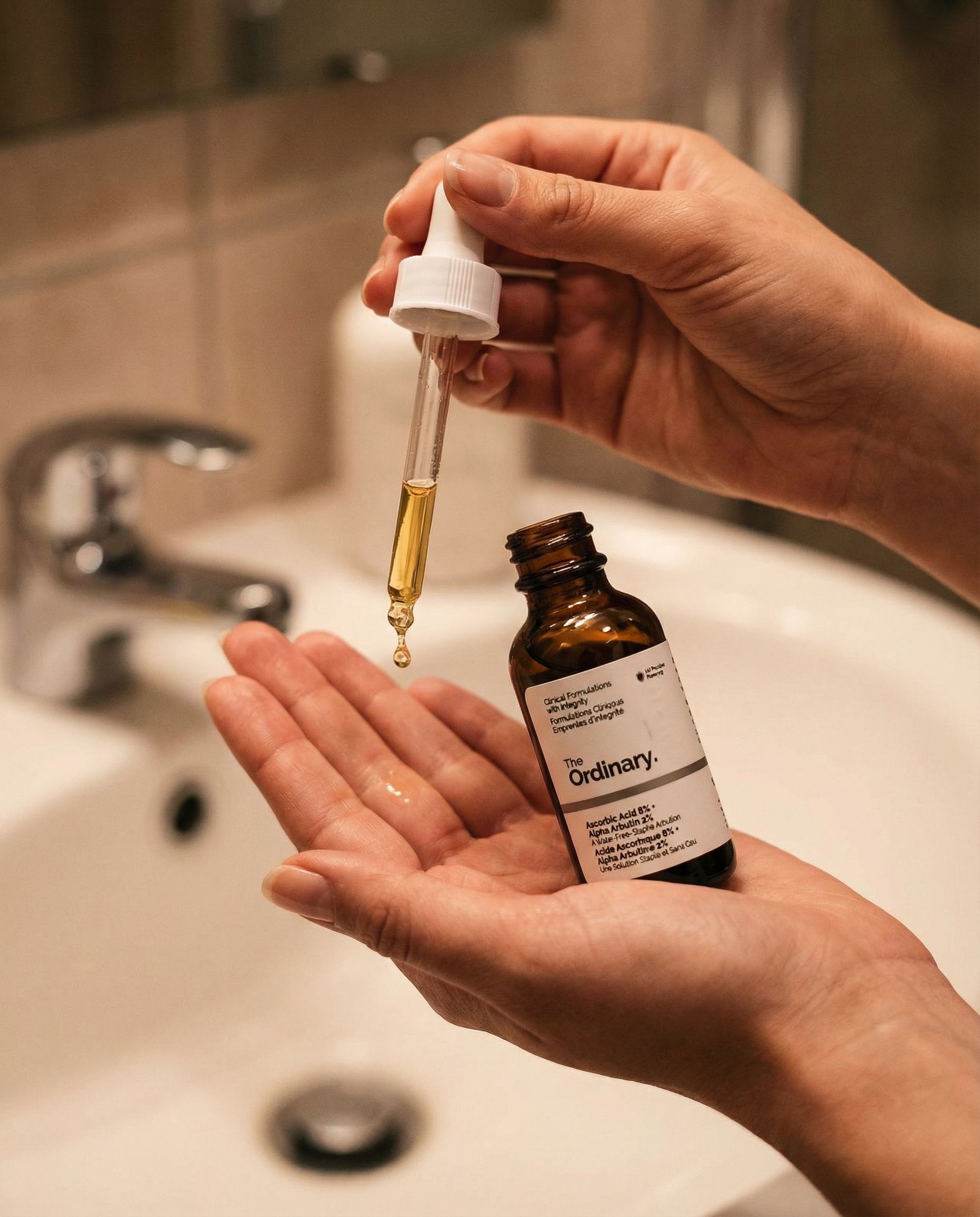
4 mockups generated in ~30 seconds. Click any image to see the prompt used.
Create a UGC-Style Video
AI transforms your mockup into authentic user-generated content
Generate Custom Background Music
Royalty-free tracks that match your brand's vibe
Full Campaign in Under 5 Minutes
From one product photo: 4 lifestyle mockups, a marketing video, and custom background music. Ready to post.
Where AI Falls Short
Generic Output
Without detailed prompts, generative AI produces bland content. The fix: specific context, brand voice guidelines, and examples.
Factual Hallucinations
AI confidently makes up statistics and case studies. Always verify outputs before publishing to maintain data privacy and accuracy.
Missing Brand Voice
AI-powered tools can approximate tone but need editing for the nuances that make your messaging distinctive.
Context Blindness
Artificial intelligence doesn't know your industry news, competitor moves, or internal context without real-time updates.
Strategy Gaps
AI excels at execution, not marketing strategy. It writes the email but can't tell you if email is the right channel for customer engagement.
Over-Optimization
AI-driven tools optimize for what you measure. Emphasize engagement metrics, you might sacrifice authenticity and customer experiences.
The Right Mindset
Think of AI as a junior team member who works incredibly fast but needs direction and review. It handles the heavy lifting; you own the quality, marketing strategy, and final decisions.
A Note on Chatbots and Automation Tools
AI chatbots are one of the most visible functions of AI in marketing, but they require careful implementation. While chatbots can streamline customer engagement and provide real-time responses, they can also frustrate users if not properly configured with your CRM and customer data.
For small businesses and startups, start with simple automation tools before investing in complex chatbot implementations. Focus on automation that improves conversion rates without sacrificing customer experiences. Many marketing platforms now include basic chatbot functions that integrate with existing workflows.
Better Prompts, Better Results
The best way to learn prompting? See real prompts that produced real results. Here's exactly how we created that "AI in Action" workflow above using generative AI and AI-powered tools. We used Nano Banana Pro for the image generation.
These prompting techniques work across platforms: ChatGPT, Jasper, HubSpot's AI features, and most other AI marketing tools. The principles are universal for digital marketing content generation.
Start with Context, Not Commands
We needed an example product. Instead of picking one ourselves, we asked AI:
"Suggest 5 product types that would work well for a visual marketing workflow demo. Criteria: photogenic, appeals to broad audience, works across lifestyle contexts. Not tech products."
Result: AI suggested skincare serums, candles, coffee beans, yoga mats, houseplants. We picked the serum.
Batch Your Requests
Instead of asking for one prompt at a time, we requested everything at once:
"I need prompts for a visual marketing workflow demo featuring a botanical face serum in an amber glass dropper bottle. Generate: 4 lifestyle mockup prompts, 1 image-to-video prompt, and 1 background music prompt. Clean beauty aesthetic throughout."
Notice: specific product details, exact deliverables, consistent aesthetic direction.
The Output: Production-Ready Prompts
"Face serum in amber glass dropper bottle, flat lay on marble with eucalyptus, wooden tray, dried flowers, spa aesthetic, natural light from above"
"Botanical serum bottle on minimalist bathroom shelf, white tiles, small potted plant, morning light through window, clean beauty aesthetic"
"Hands applying serum from amber dropper bottle, soft bathroom light, self-care moment, shallow depth of field on the golden serum drop"
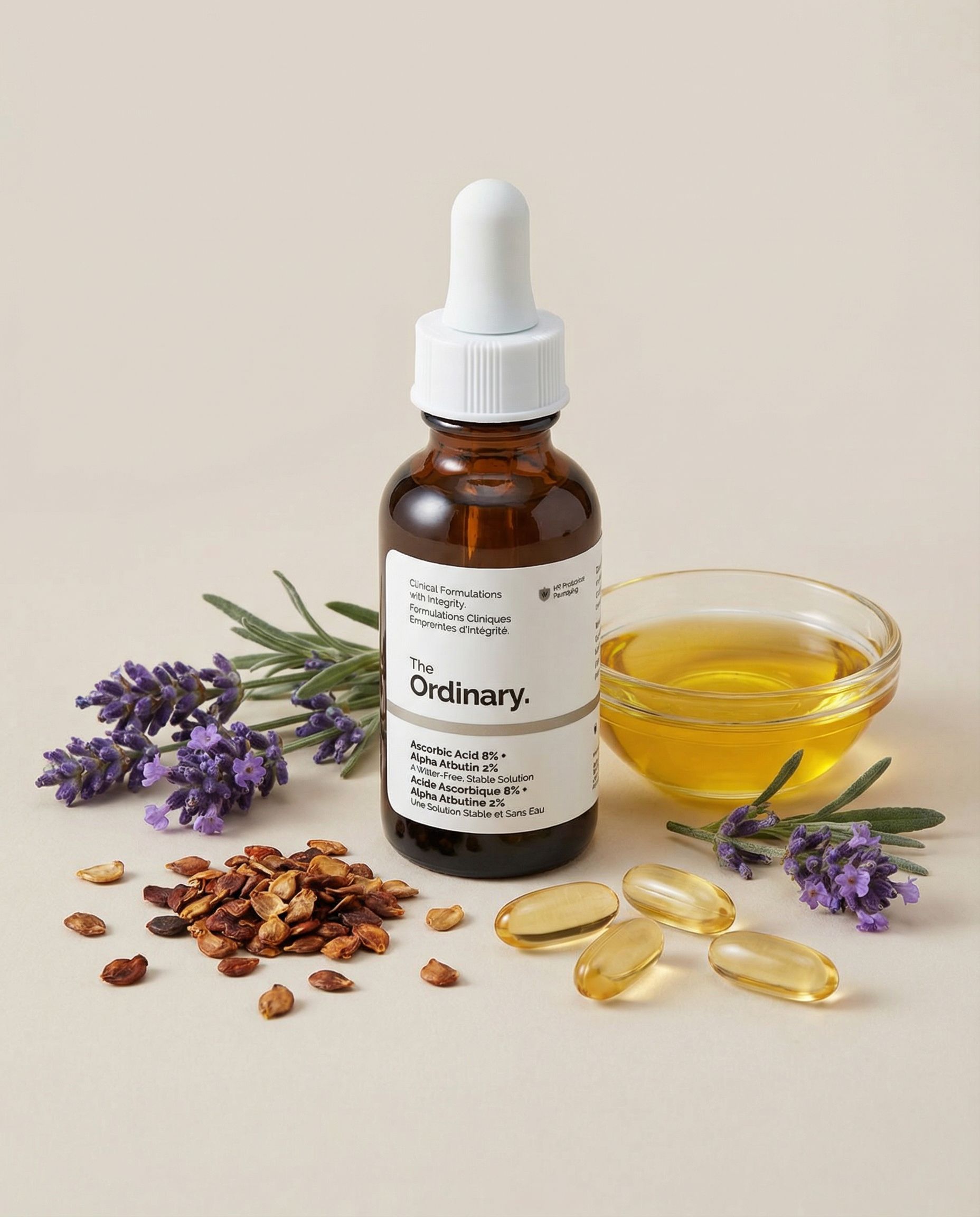
"Serum bottle surrounded by raw ingredients: rosehip seeds, vitamin E capsules, lavender, jojoba oil, ingredient-focused product photography"
"Talking head UGC video: animate the serum application shot with gentle motion, then cut to female influencer speaking to camera. Match soft bathroom lighting and warm clean beauty aesthetic throughout. Authentic testimonial style, 8 seconds."
"Upbeat lo-fi chill beat, trendy TikTok/Reels vibe, positive energy, subtle bass, perfect for UGC skincare testimonial, 15 seconds"
Execute and Iterate
Fed each prompt into Vondy. 4 images, 1 video, 1 music track. Total generation time: ~4 minutes. Scroll up to see the actual results.
The Prompting Principles
Tell AI what you're building and why. It helps shape every suggestion.
Ask for exactly what you need: 4 mockups, 1 video, specific aesthetics.
One aesthetic direction across all assets creates cohesive campaigns.
Yes, we created that entire workflow while writing this article.
Your 4-Week Implementation Roadmap
You've seen what AI marketing can do. Here's how to actually implement it without overwhelming your marketing teams or your budget. This roadmap works for startups, small businesses, and enterprise digital marketing teams alike. For broader AI business strategies, check our comprehensive guide.
The key is starting with high-volume, repetitive tasks where AI-driven automation delivers immediate competitive advantage. Don't try to optimize everything at once. Focus on one workflow, measure the results, and expand from there.
Audit & Identify
- List all content marketing tasks you create weekly
- Time each task (drafting, editing, publishing) for metrics
- Identify repetitive work (emails, social media posts, reports)
- Note where you need variations, speed, or automation
Test & Learn
- Pick 2-3 high-volume tasks from your audit
- Test AI marketing tools (ChatGPT, Jasper, Canva, Vondy) for those tasks
- Compare output quality and conversion rates to current process
- Document what works and what needs human touch
Build Workflows
- Create prompt templates for recurring content generation tasks
- Establish review/edit process for AI-generated outputs
- Set up tool access and API integrations for marketing teams
- Define when AI is appropriate vs. when human creativity is needed
Scale & Optimize
- Roll out marketing automation to additional team members
- Track metrics: time saved, output quality, customer engagement
- Refine prompts based on what streamlines workflows
- Identify next use cases to automate with AI-powered tools
The Bottom Line
AI for marketing isn't replacing marketers. It's replacing marketers who don't use AI. The generative AI tools are ready. The automation workflows are proven. The only question is how quickly you'll start.
Whether you're focused on content marketing, social media management, e-commerce optimization, or customer engagement, AI marketing tools can streamline your marketing efforts and deliver actionable insights that drive conversion rates. The competitive advantage goes to teams that embrace AI-powered automation while maintaining authentic customer experiences.
Pick one AI tool. Create one piece of high-quality content. Ship it. Then do it again.
Ready to Transform Your Marketing?
Browse 40,000+ AI tools organized by function. Find the perfect tools for your marketing stack.
Explore Marketing AI ToolsContinue Learning