AI in Retail: Use Cases & Examples
From automated pricing algorithms to AI shopping assistants, artificial intelligence is transforming every aspect of the retail industry. This guide explores specific use cases and examples of AI in retail media, helping retail businesses optimize operations, improve customer experience, and drive profitability.
 by Rohit DasJan 15, 202612 min read
The AI Transformation of Retail
The retail industry is undergoing a fundamental shift. AI technologies are moving from experimental initiatives to core functions that drive operational efficiency and customer engagement. Major players like Amazon, Walmart, and Target have invested billions in AI capabilities, while ecommerce platforms make similar tools accessible to retailers of all sizes. For online-focused strategies, see our companion guide to AI for e-commerce.
What makes retail AI different from generic business automation is the complexity of omnichannel operations. A modern retail business must optimize pricing across thousands of SKUs, manage inventory management across hundreds of locations, personalize customer interactions across dozens of touchpoints, and respond to real-time demand signals. Traditional software cannot keep pace with these requirements. AI systems can.
This guide focuses on practical use cases that deliver measurable results. We will explore how AI-powered solutions streamline store operations, enhance the customer experience, and optimize supply chain functions. Whether you operate a single store or a national chain, understanding these AI capabilities will help you identify where artificial intelligence can create the most value for your retail business. For broader business applications beyond retail, explore our guide to AI for business.
AI Workflow: Product Photography at Scale
One of the most practical applications of AI in retail is transforming a single product photo into multiple lifestyle contexts. See how retailers use Nano Banana Pro to generate professional product imagery in seconds instead of expensive photo shoots. For editing existing product photos, explore our best AI photo editor guide.
Product Lifestyle Photography
Transform one product shot into multiple lifestyle contexts
A skincare brand photographs their serum once, then AI generates all the lifestyle shots they need for retail displays, e-commerce, and social media.




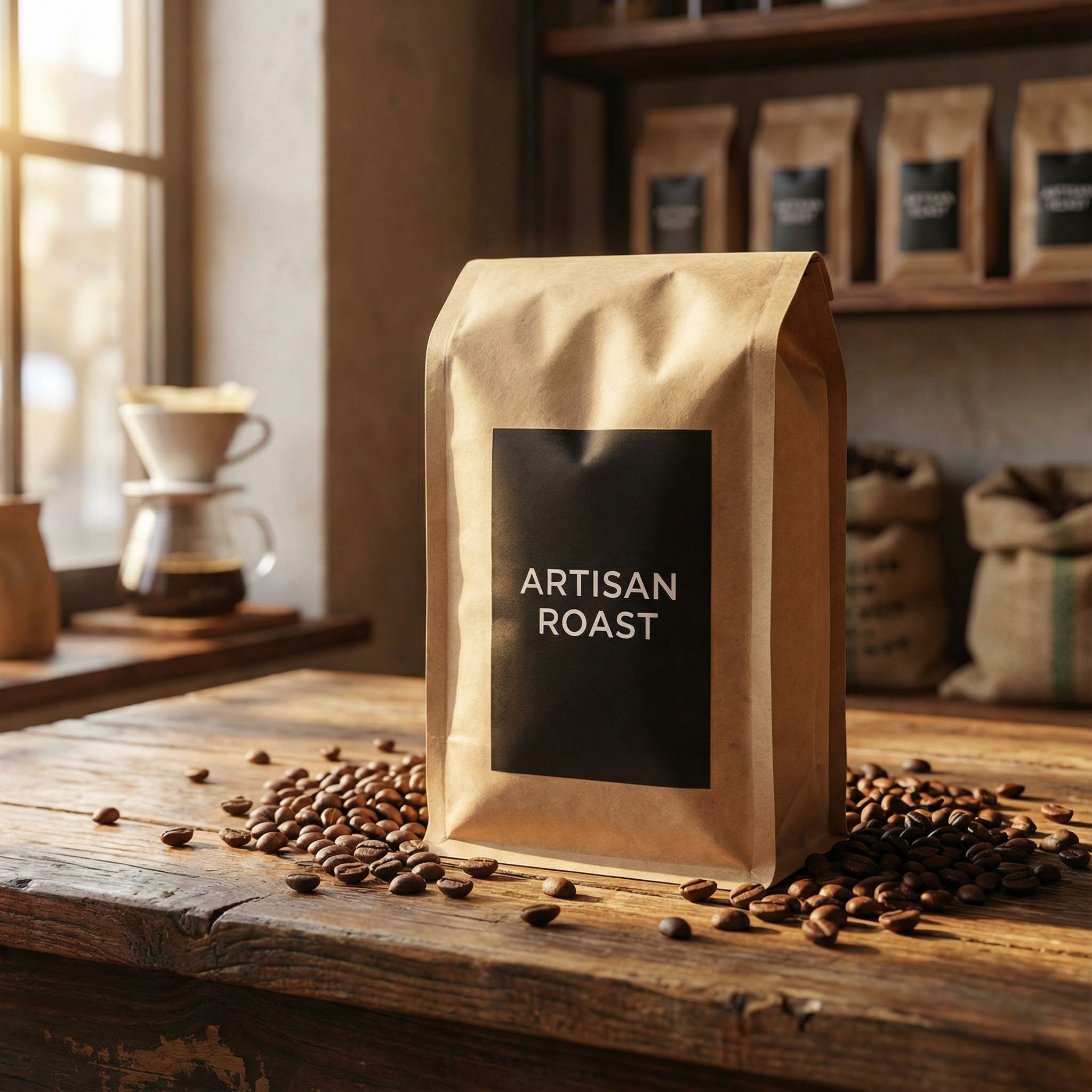
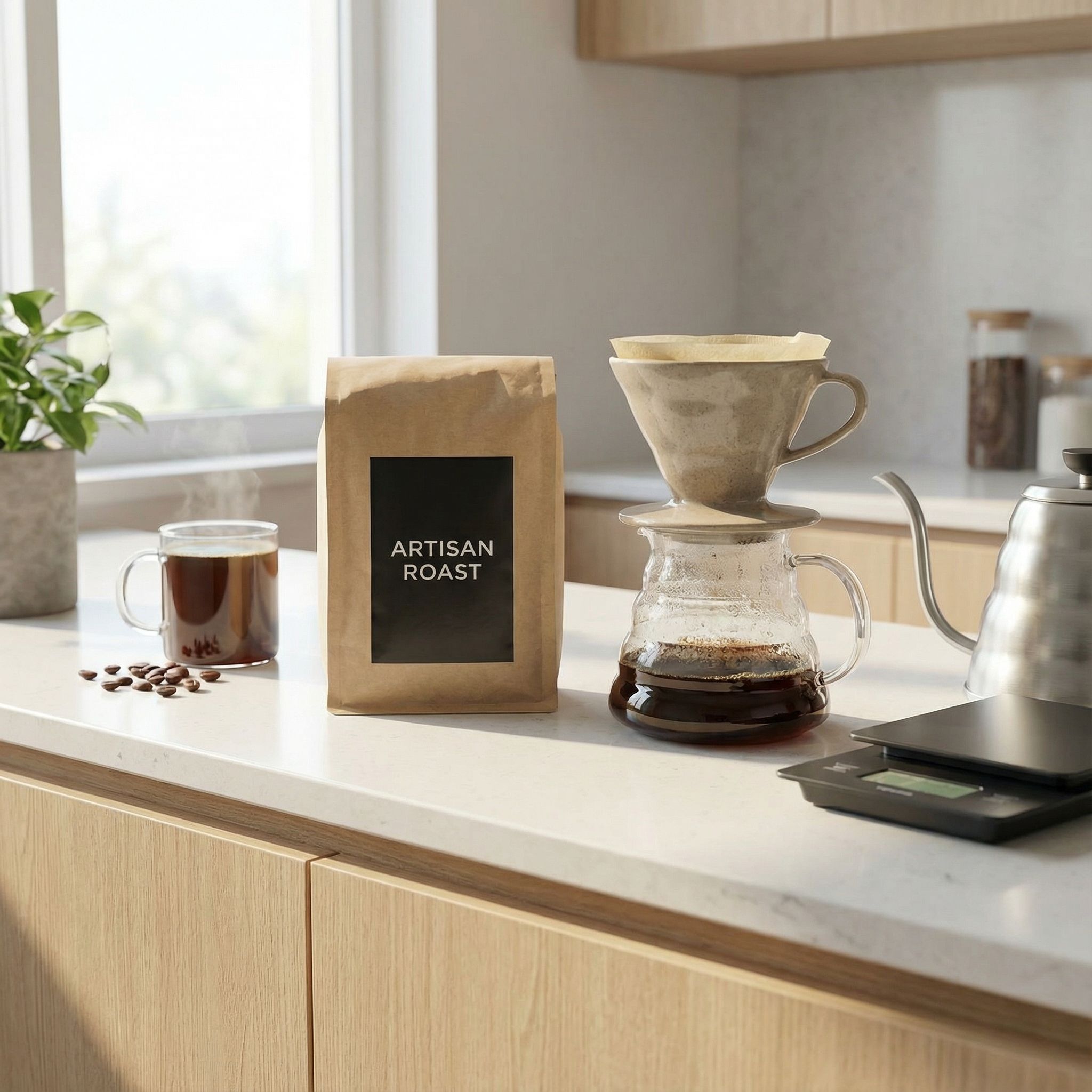
Retail Display & Packaging
Create contextual product imagery for retail and marketing
A specialty coffee brand generates lifestyle imagery for retail POS displays, gift guides, and wholesale presentations.


Core Applications
Key AI Use Cases in Retail
AI in retail spans multiple functions, from customer-facing applications to back-end operations. These use cases represent the highest-impact opportunities for retailers looking to use AI strategically. Each application uses machine learning algorithms to process data at scale and generate data-driven insights.
Dynamic Pricing & Revenue Optimization
AI-powered pricing algorithms analyze competitor prices, demand patterns, and inventory levels in real-time to optimize profit margins. Major retailers use machine learning to adjust prices dynamically across their catalogs.
Inventory Management & Demand Forecasting
AI systems predict what products will sell, where, and when. This reduces stockouts while minimizing excess inventory that ties up capital and requires markdowns.
Personalized Product Recommendations
Machine learning algorithms analyze customer behavior and purchase history to surface relevant products. This drives both online and in-store sales through hyper-personalized suggestions.
Visual Search & Discovery
Computer vision enables shoppers to find products by uploading photos. This bridges the gap between inspiration and purchase, especially for fashion and home decor retailers.
Generative AI is adding new capabilities to these core functions. Retailers now use AI tools to automatically generate product descriptions, create marketing content, and build shopping assistants that engage in natural language conversations. For more on generative AI applications, see our guide to AI for marketing.
Customer-Facing AI
Transforming Customer Experience
Customer satisfaction increasingly depends on personalized, seamless interactions across all touchpoints. AI-driven solutions enable retailers to deliver personalized shopping experiences at scale while maintaining consistent service quality. From AI agents that handle customer interactions to recommendation engines that surface relevant products, artificial intelligence is redefining what customers expect.
AI Shopping Assistants
Conversational AI chatbots provide 24/7 customer support, answer product questions, check inventory, and guide purchases. Modern AI agents understand natural language and maintain context across conversations.
Example: A customer asks about product availability across stores, gets real-time inventory data, and receives directions to the nearest location with stock.
Personalized Shopping Experiences
AI creates hyper-personalized touchpoints throughout the customer journey. From personalized homepage layouts to tailored email campaigns, every customer interaction is optimized for individual preferences.
Example: Returning customers see products based on browsing history, purchase patterns, and predicted preferences rather than generic merchandising.
Virtual Try-On & AR
Artificial intelligence powers augmented reality experiences that let customers visualize products before purchase. This reduces return rates and increases purchase confidence.
Example: Furniture shoppers place items in their actual rooms using smartphone cameras, adjusting size, color, and position in real-time.
The Chatbot Evolution
Early retail chatbots were frustrating. They followed rigid scripts and failed at anything beyond simple FAQs. Modern AI-powered chatbots using natural language processing understand context, remember previous customer interactions, and handle complex queries. The best implementations feel like chatting with a knowledgeable store associate rather than fighting a phone tree. Retailers report significant improvements in customer engagement and operational efficiency when deploying genai-powered shopping assistants.
Operational Excellence
In-Store Operations & Automation
The physical store remains central to retail, even as ecommerce grows. AI solutions are making in-store operations more efficient, from automated checkout to robots that monitor shelf conditions. These AI systems reduce labor costs while improving accuracy and customer data collection.
Checkout & Loss Prevention
- Self-checkout with computer vision (Amazon Go style)
- Automated theft detection and alerts
- Queue management and staffing optimization
- Frictionless payment processing
Shelf & Merchandising
- Automated shelf monitoring with robots
- Planogram compliance verification
- Out-of-stock detection and alerts
- Price tag accuracy verification
Labor & Scheduling
- Demand-based staff scheduling
- Task assignment optimization
- Training personalization
- Performance analytics
Robots in Retail
Walmart deploys thousands of robots across its stores for automated inventory scanning. These machines use computer vision to identify out-of-stock items, misplaced products, and pricing errors. The robots streamline what would otherwise require hours of manual shelf audits, freeing associates for customer-facing tasks. Similar AI technologies power the checkout-free stores pioneered by Amazon Go.
Backend Intelligence
Supply Chain Optimization
Supply chain disruptions cost retailers billions annually. AI-driven supply chain management predicts problems before they occur, optimizes logistics in real-time, and automates warehouse functions. These capabilities have become essential for retailers competing on speed and availability.
Demand Planning
AI-driven demand forecasting reduces supply chain disruptions by predicting demand weeks or months ahead with high accuracy.
Route Optimization
Algorithms optimize delivery routes in real-time, accounting for traffic, weather, and delivery windows.
Supplier Management
AI systems monitor supplier performance, predict potential disruptions, and identify alternative sources automatically.
Warehouse Automation
Robots and AI-powered systems streamline picking, packing, and inventory functions in distribution centers.
The Demand Forecasting advantage: Traditional demand forecasting relied on historical sales and basic seasonality. AI algorithms incorporate hundreds of variables including weather, social media trends, economic indicators, and competitor actions. This enables retailers to anticipate demand shifts weeks ahead, reducing both stockouts and excess inventory. Combined with automated replenishment, these AI systems can operate with minimal human intervention while adapting to disruptions in real-time.
Getting Started
Implementing Retail AI
Successful AI initiatives start with clear objectives and realistic timelines. Rather than attempting enterprise-wide transformation, leading retailers focus on specific workflows where AI can demonstrate measurable value quickly. This builds organizational confidence and provides data for scaling. Small business owners can start with simpler AI tools before scaling up.
Data & Infrastructure
- Audit existing customer data and touchpoints
- Consolidate data into unified ecosystem
- Identify high-impact use cases for your retail business
- Build cross-functional team with AI capabilities
Initial AI Initiatives
- Select 1-2 use cases with clear metrics
- Implement AI tools in controlled environment
- Measure profitability and operational efficiency impact
- Gather customer insights and feedback
Expand & Optimize
- Roll out successful pilots across retail operations
- Integrate AI systems with existing workflows
- Train teams on AI-powered decision-making
- Establish governance and monitoring
Where to Start
For most retailers, personalized product recommendations and dynamic pricing offer the fastest path to measurable results. These use cases have mature AI solutions available, clear metrics for success, and typically pay for themselves within months. More complex initiatives like demand forecasting and supply chain optimization require deeper data integration but deliver transformational results.
Small businesses can start with accessible AI tools for content creation and image generation to improve social media presence and product photography without significant investment.
Start Exploring AI for Retail
From generating product images to creating marketing content, AI tools can help retail businesses of any size. Browse our collection of AI-powered solutions built for modern workflows.
Explore AI ToolsContinue Learning