Nano Banana vs Nano Banana Pro: Which Image Model Should You Use?
Google AI's image generation models go head-to-head. We break down speed, quality, text rendering, and use cases to help you choose the right tool for your creative workflows.
 by David LaubJan 15, 202610 min read
Google's AI Image Generation Powerhouses
When Google DeepMind released the Nano Banana model family, they introduced two distinct approaches to AI image generation. The original Nano Banana focuses on speed and precision editing, while Nano Banana Pro targets professional-grade output with advanced capabilities. But which one should you actually use?
Both models are built on Google AI's latest image generation technology, incorporating lessons from Gemini 2.5 and Gemini 3 Pro. They share DNA with the broader Google Search image understanding systems, making them exceptionally good at interpreting natural language prompts. The key difference lies in their output quality, processing time, and specialized features.
We've tested both extensively across real-world creative workflows, from quick social media graphics to high-resolution mockups and professional infographics. This comparison will help you understand exactly when to reach for each tool. If you're exploring the broader landscape, check out our complete guide to AI image generators.
Model Overview: Nano Banana vs Nano Banana Pro
Nano Banana
The Original Model
The original Nano Banana model delivers surgical precision for image editing tasks. Built for speed, it processes requests in approximately 9 seconds, making it ideal for rapid iteration and prototyping. For dedicated photo editing workflows, this speed advantage really shines.
Nano Banana Pro
Professional Image Model
Nano Banana Pro delivers professional-grade output with 4K resolution support, advanced text rendering, and multi-image reference capabilities. The extra processing time results in noticeably higher quality. See how it compares to ChatGPT's image model for different use cases.
Key Differences at a Glance
The Nano Banana model family represents Google's approach to AI image generation: the original model prioritizes speed and accessibility, while the Pro image version delivers maximum quality for professional use. Both include SynthID watermark technology and work seamlessly with the broader Vondy API ecosystem.
Visual Comparison: Same Prompts, Different Output
We ran both models through identical prompts to generate images and compare the output quality directly. Click any image to view it full-size.
Portrait / Character Test
A candid street portrait of a 34-year-old chef standing outside a small neighborhood restaurant at dusk, light rain in the air. Natural skin texture, subtle imperfections...


The Pro version produced noticeably more realistic skin texture with natural smile creases and pores. The original Nano Banana was faster but the facial details appeared slightly smoother.
Product Photography Test
A premium product hero photo of a matte-black insulated water bottle with a brushed metal cap, placed on a dark slate surface. Clean softbox lighting...
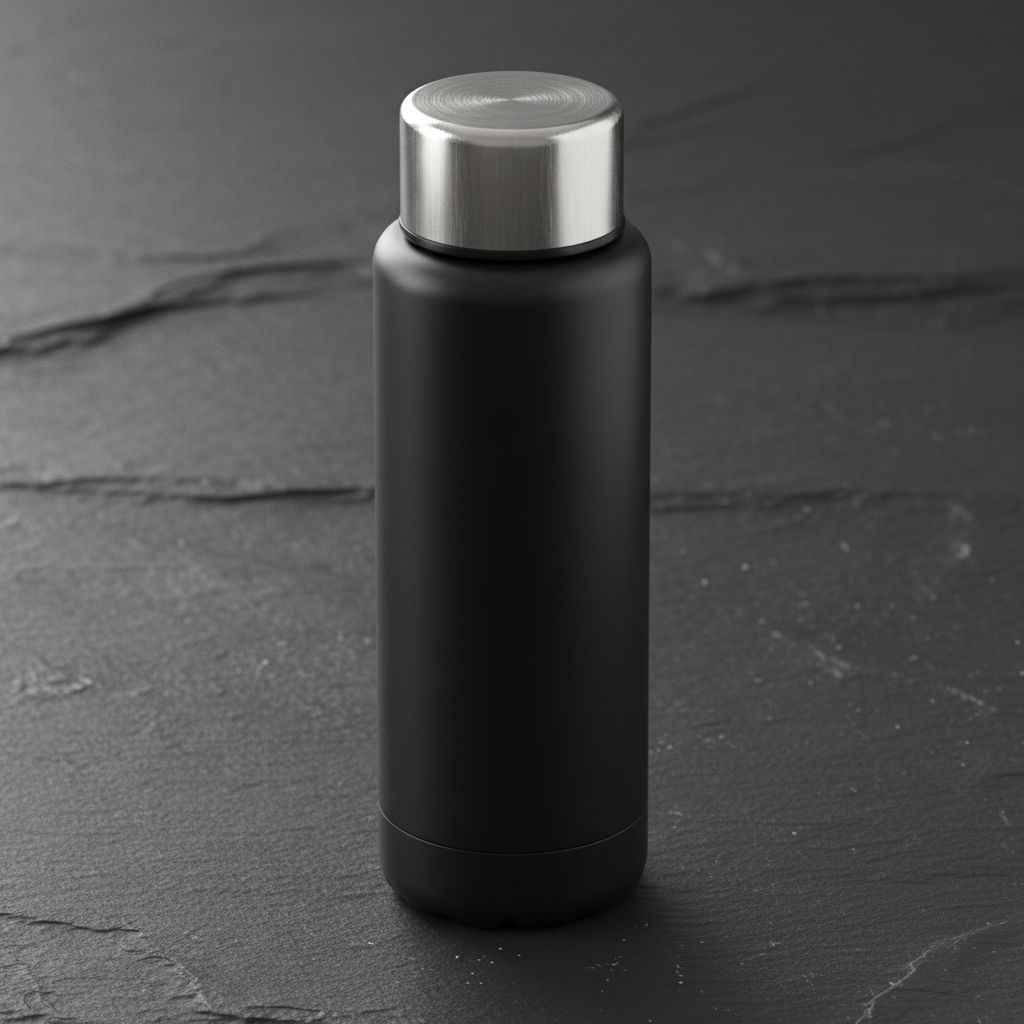
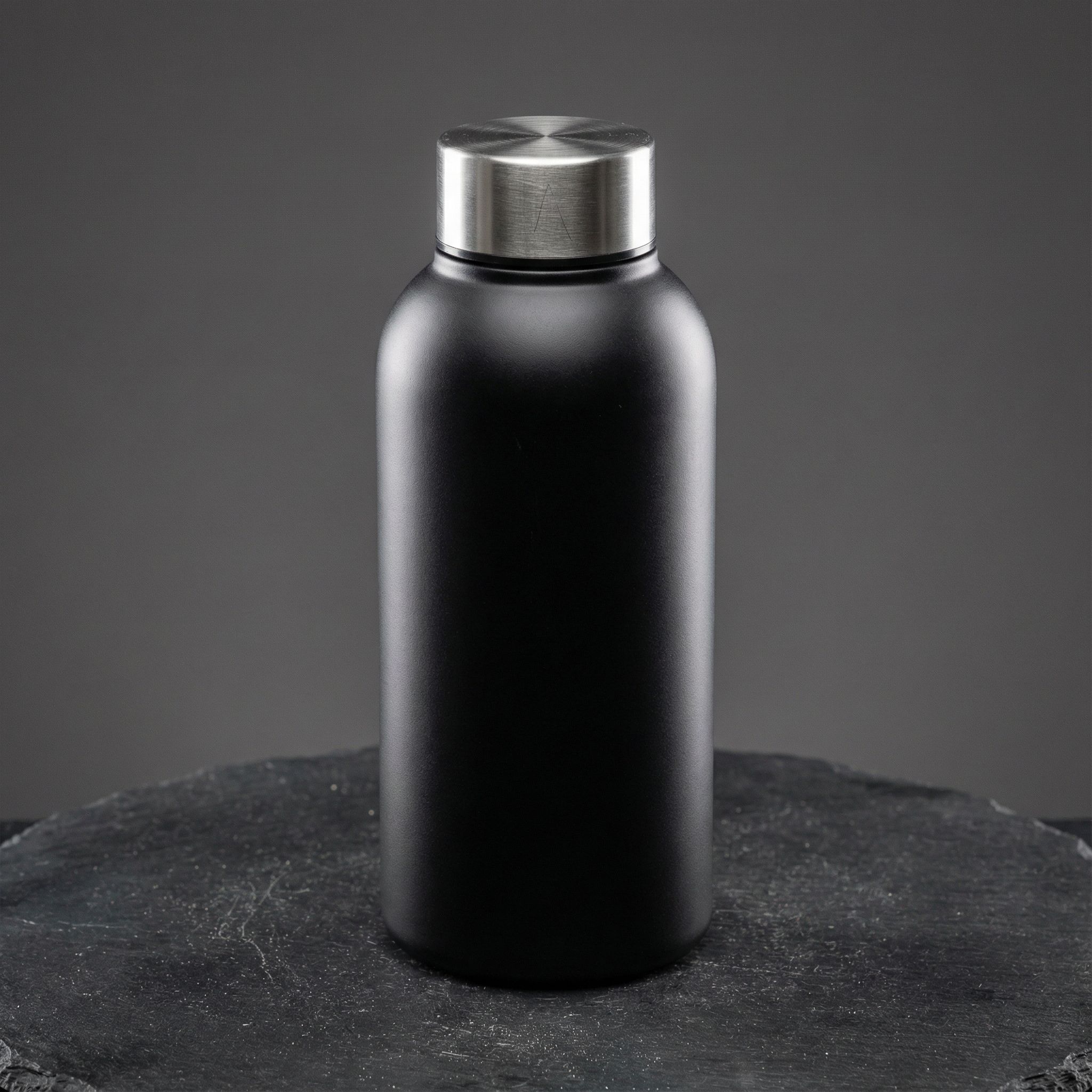
Nano Banana Pro captured the matte finish accurately with proper light falloff. The original model produced a usable result much faster, making it better for quick mockups.
Food / Macro Test
Extreme close-up macro photo of a flaky croissant torn open, visible layered crumb structure, butter sheen, steam gently rising...
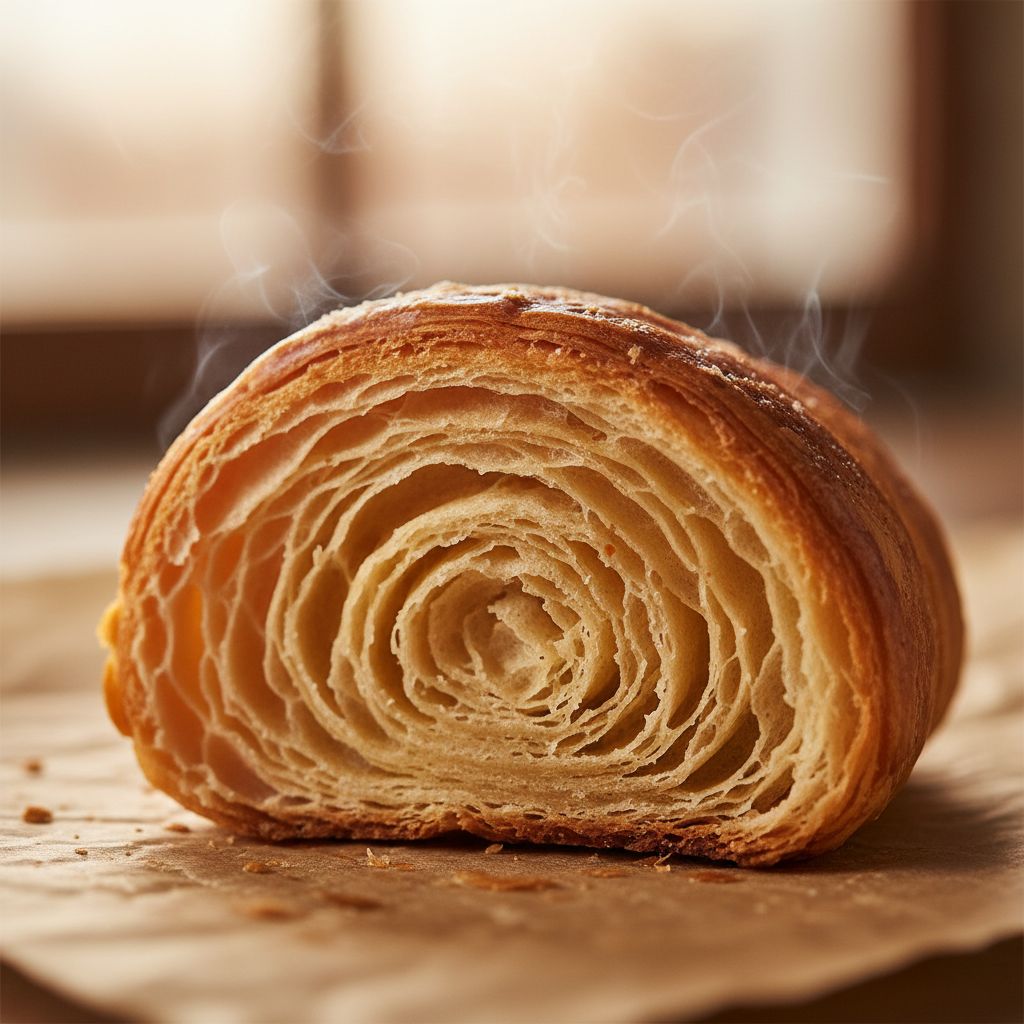
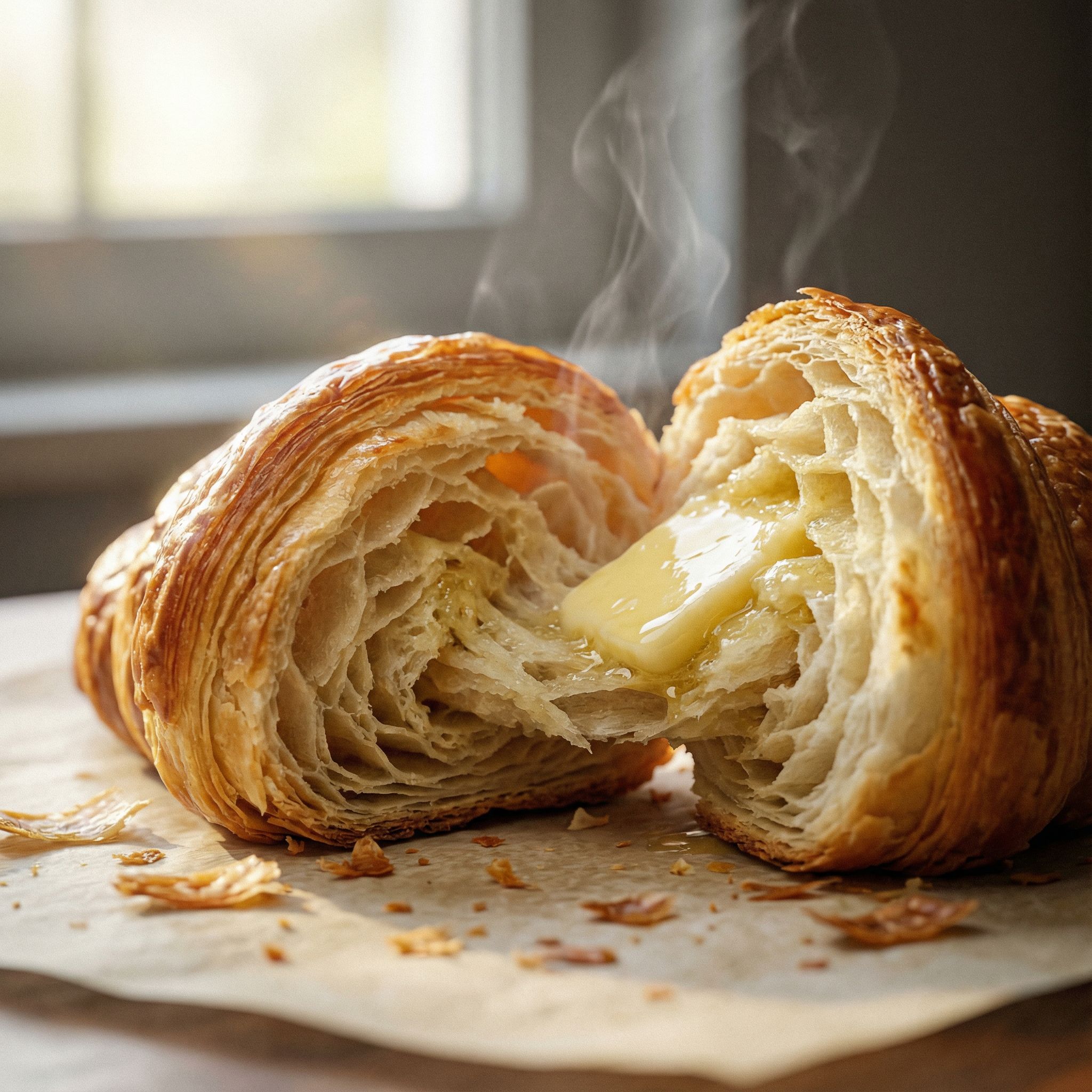
Both models handled the macro food photography well. The Pro version showed more detailed lamination layers and better steam rendering, but the original was acceptable for social media use.
Motion / Cinematic Test
A cinematic still of a cyclist cutting through fog on a bridge at sunrise. Motion blur on the wheels only, dramatic volumetric light...


Interestingly, both models struggled with the logical positioning of the cyclist. Neither perfectly understood "cutting through" the bridge. The Pro version had better volumetric lighting.
Image Editing Comparison
Both Nano Banana models excel at image editing tasks. We tested them on background swaps, wardrobe changes, accessory additions, and product branding to see how they handle precise modifications while preserving original elements.
Background Swap Test
Keep the person's face, hair, makeup, pose, and suit exactly the same. Replace the red background with a softly blurred bookstore interior...
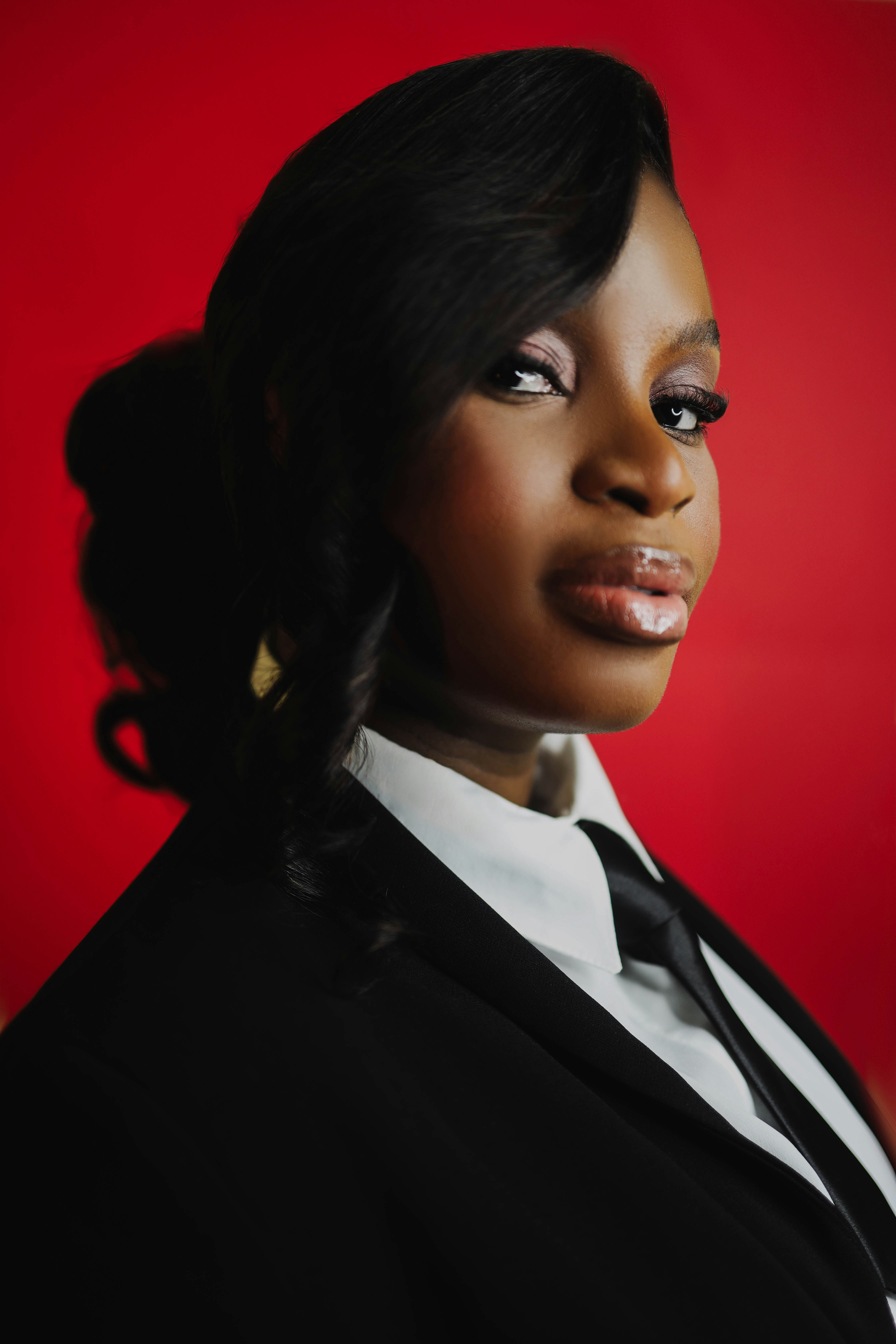

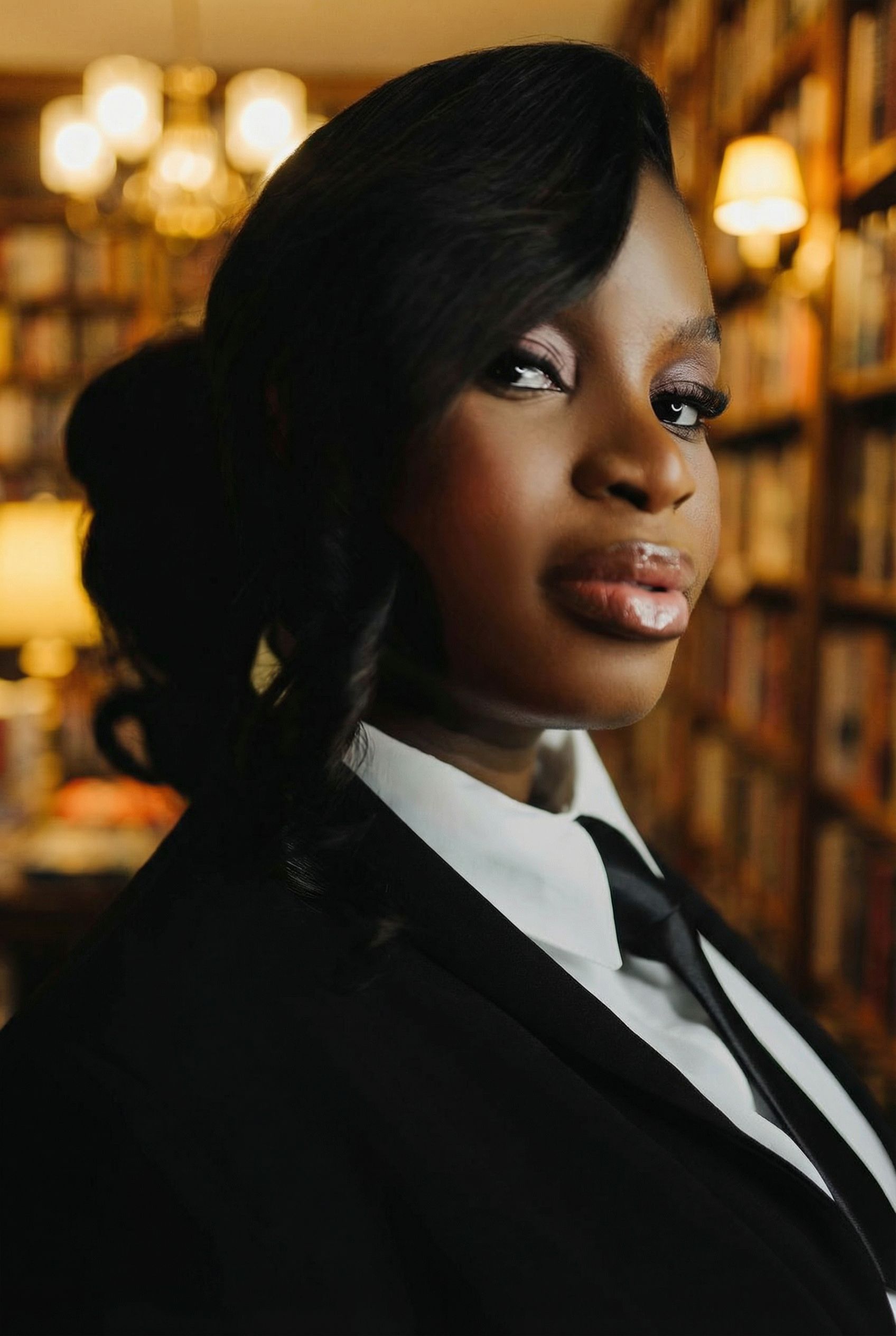
Nano Banana Pro preserved the face perfectly and added appropriate bookstore lighting. The original model completed the task faster but with slightly less refined lighting integration.
Wardrobe Material Change
Change only the black suit jacket into a dark indigo denim jacket with visible stitching and metal buttons...
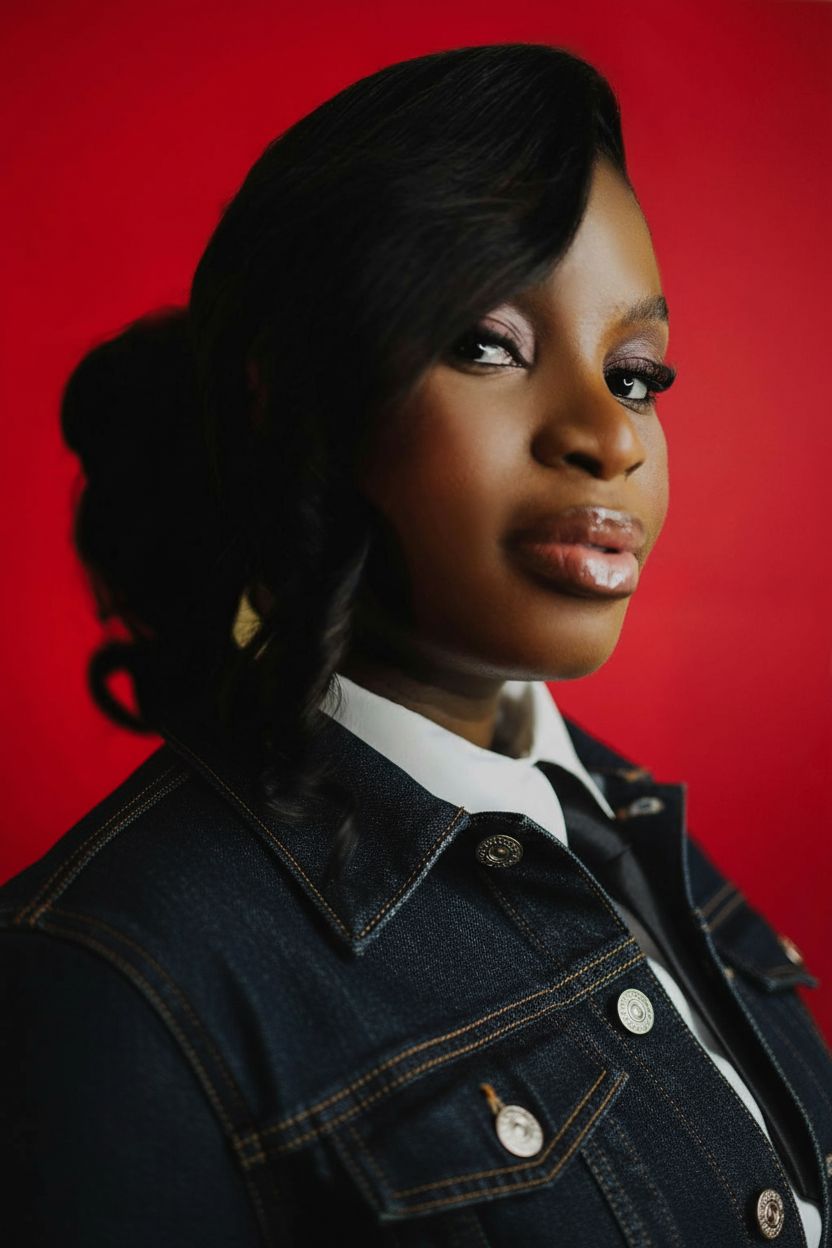
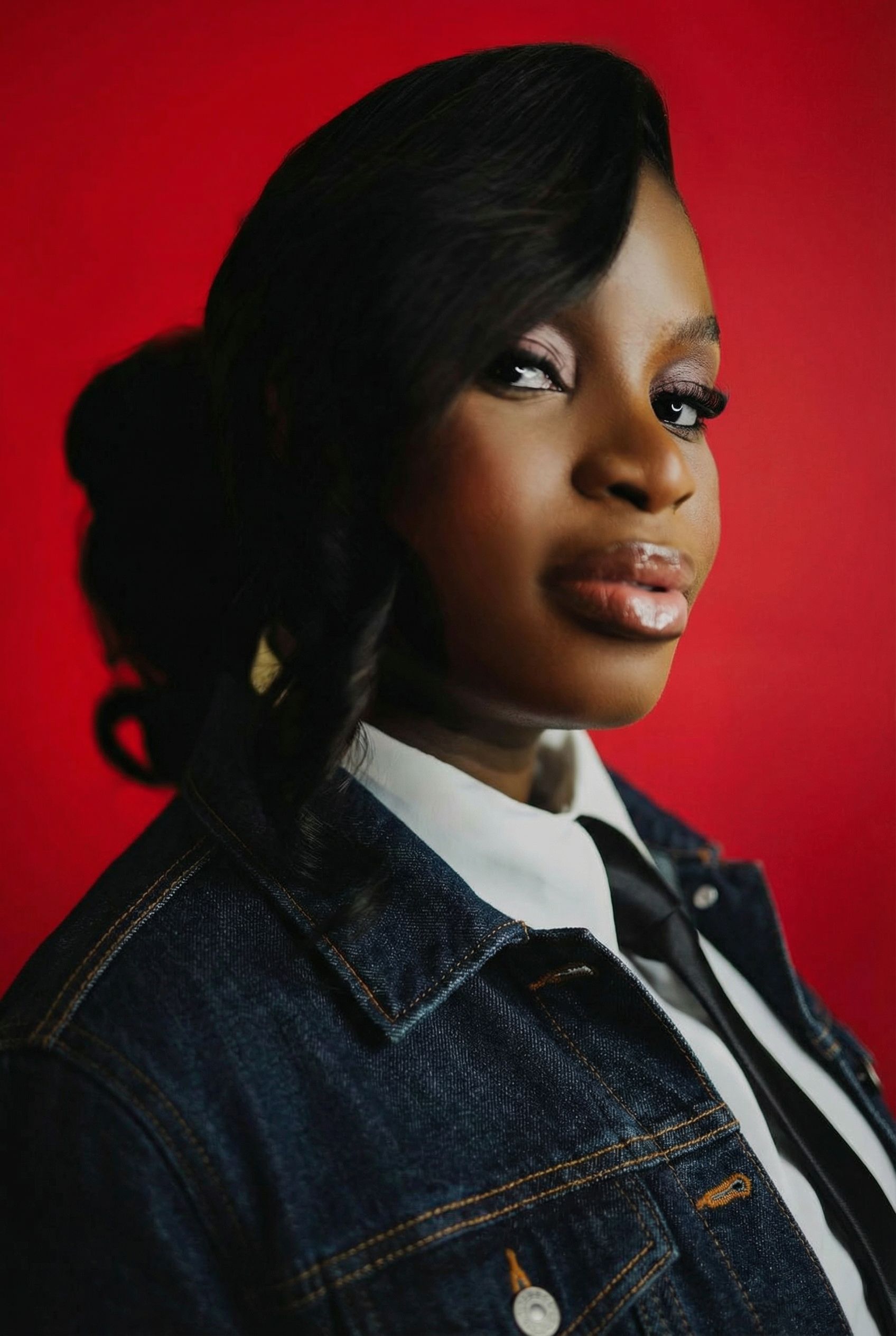
Nano Banana Pro rendered actual dark indigo denim with realistic stitching while keeping the face unchanged. The original model was much faster but the material detail was less convincing.
Add Accessory (Glasses)
Add thin, matte-black rectangular eyeglasses to the subject. The glasses should fit naturally with subtle reflection...
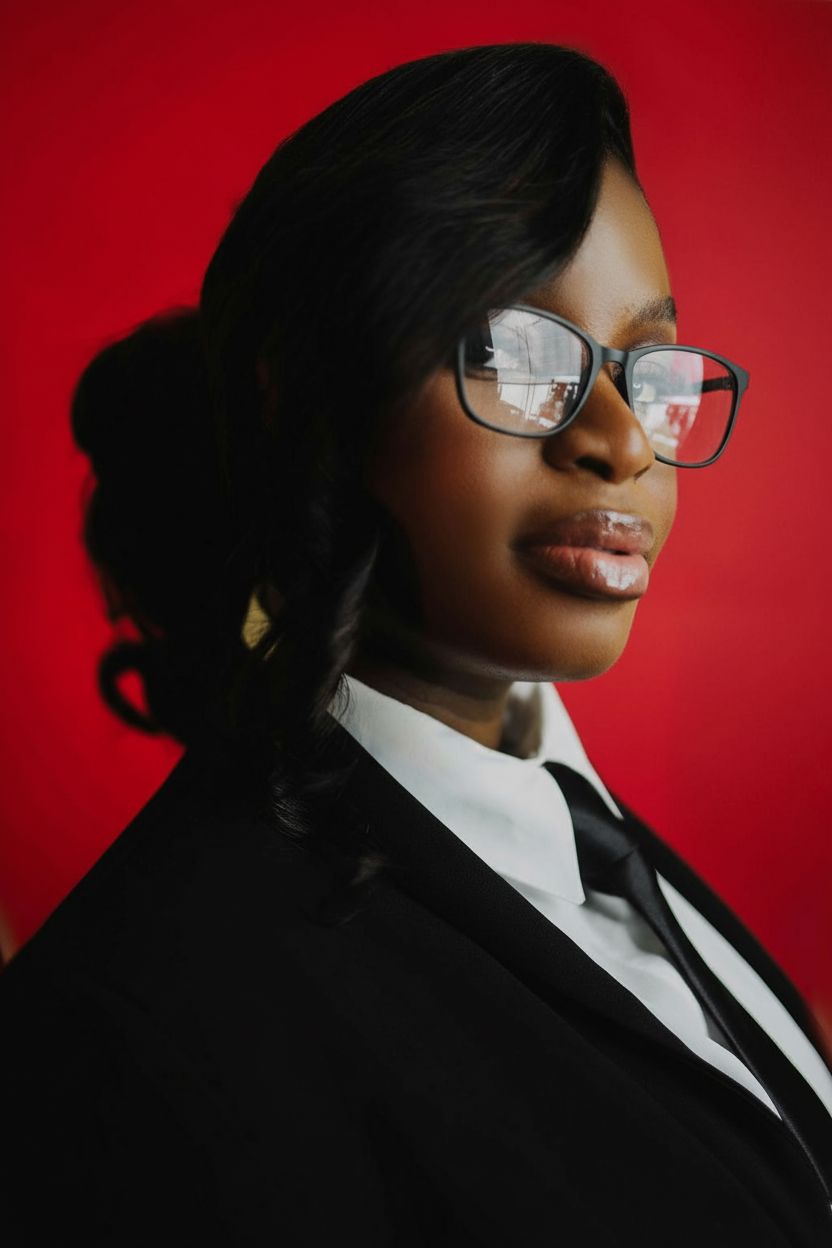

Both models successfully added glasses, but Nano Banana Pro included more subtle lens reflections and better shadow integration. The Pro version sells the illusion more convincingly.
Brand Logo Emboss
Add a subtle embossed logo on the bottle front: the word 'C R E S T' in all caps...
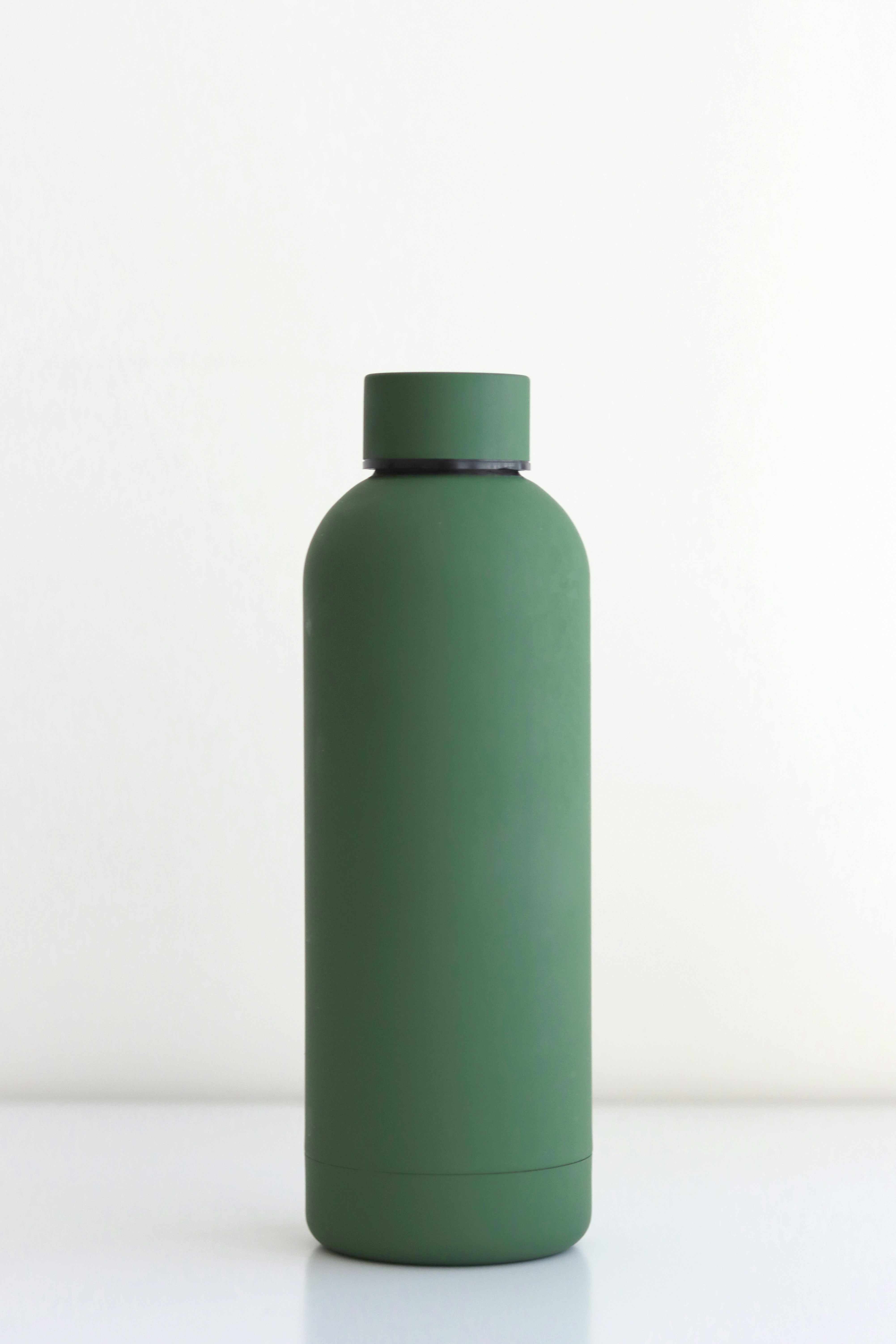
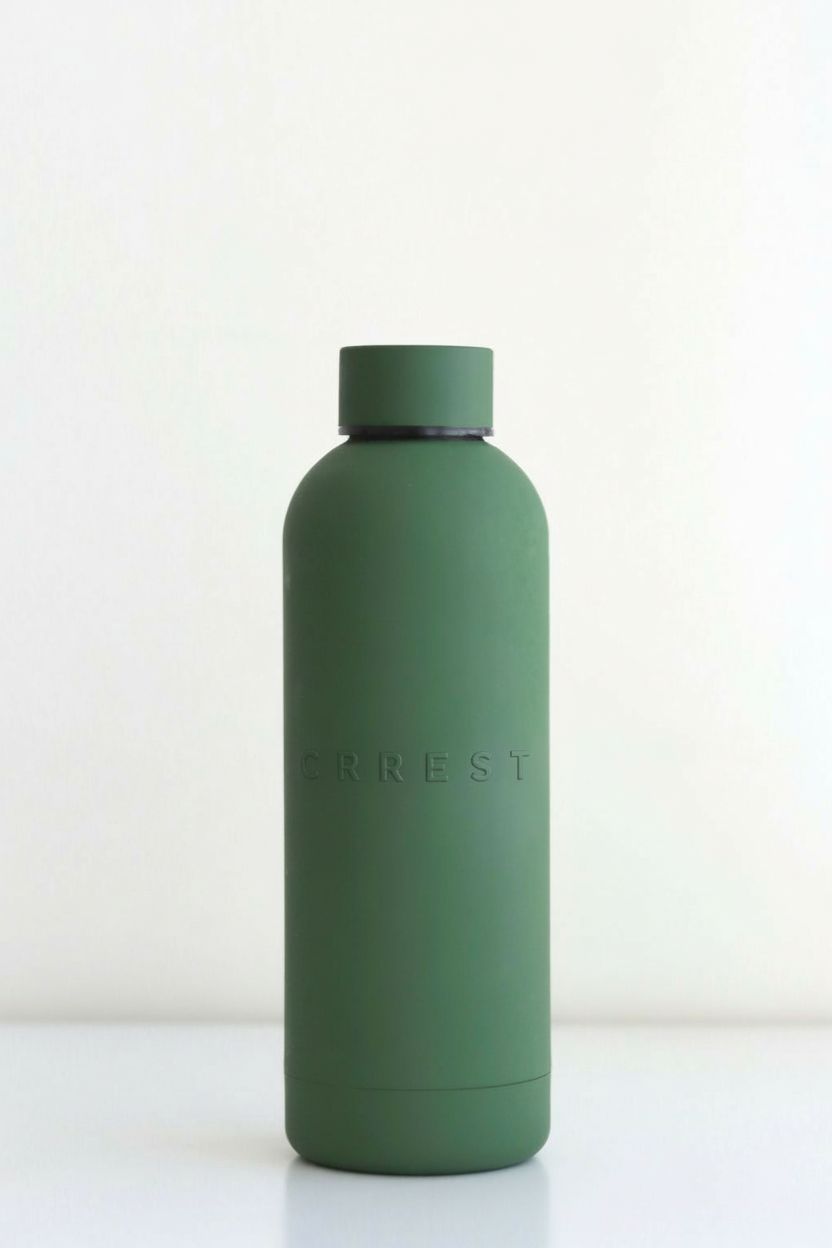
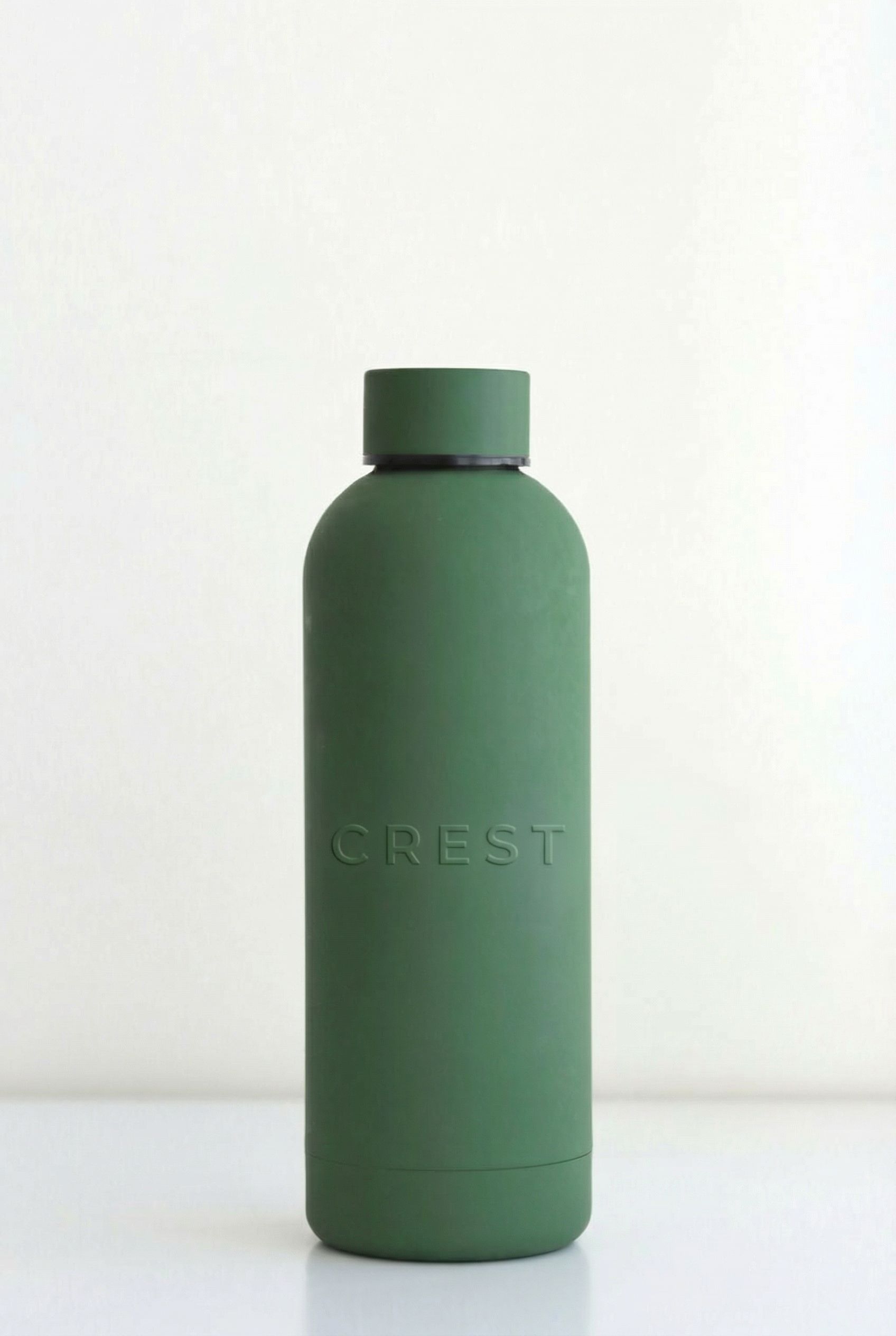
Nano Banana Pro correctly created embossed (raised) text with proper micro-detail shading, producing a studio-quality product shot. The original model's emboss effect was less defined.
Head-to-Head: Feature Comparison
We tested both models across key criteria that matter for creative professionals. Here's how the Nano Banana vs Nano Banana Pro comparison breaks down in real-world testing.
| Feature | Nano Banana | Nano Banana Pro |
|---|---|---|
| Text Rendering | Good | Excellent |
| Typography Quality | Good | Professional-grade |
| Character Consistency | Moderate | High |
| High-Resolution Output | ||
| Reference Images | Single image | Multiple images |
| Image Editing | Fast & precise | Detailed & refined |
| Upscaling | ||
| Camera Angles Control | Basic | Advanced |
| Depth of Field | Limited | Full creative control |
Nano Banana Wins At
- Speed: 7x faster generation time
- Price: 40% lower cost per generation
- Rapid iteration and prototyping
- Quick edits that don't need pixel perfection
Nano Banana Pro Wins At
- 4K resolution and high-quality output
- Clean typography and text rendering
- Professional mockups and infographics
- Character consistency across generations
Best Use Cases for Each Model
Understanding when to use each model will save you both time and credits. Here are the specific use cases where each excels.
Use Original Nano Banana When:
Quick Social Media Graphics
Fast turnaround for posts that don't need pixel-perfect detail
Concept Exploration
Generate images rapidly to explore ideas before committing
Simple Image Editing
Quick background swaps, color changes, object removal
Budget-Conscious Projects
When volume matters more than maximum quality
Use Nano Banana Pro When:
Professional Infographics
Clean typography and high-resolution output for presentations
Product Mockups
Realistic product shots with accurate lighting and detail
Marketing Materials
Hero images, banners, and assets that need to look polished
Print-Ready Assets
When you need 4K resolution without watermark concerns
Pro Tip: Workflow Integration
Many professionals use both models in their creative workflows. Start with the original Nano Banana model for quick prototyping, then switch to Nano Banana Pro for final production assets. This approach maximizes both speed and quality while keeping costs reasonable. The Nano Banana 2 architecture means both models understand similar prompts, making handoffs seamless.
Final Verdict: Which Should You Choose?
The Nano Banana vs Nano Banana Pro decision ultimately comes down to your specific needs. Both are excellent tools powered by Google's AI Studio technology, but they serve different purposes in AI image generation workflows.
Choose Nano Banana if you prioritize speed and cost-effectiveness. It's perfect for content creators who need to generate images quickly, teams doing rapid prototyping, and anyone working with high volume but moderate quality requirements. At 3 credits per generation, it's accessible for everyday use.
Choose Nano Banana Pro if quality is non-negotiable. The Nano Banana Pro image output is noticeably superior, especially for text rendering, typography, and high-resolution needs. If you're creating client deliverables, marketing materials, or anything that needs to look professional-grade, the extra time and cost are worth it.
For comparison with other leading models, including GPT, ChatGPT, and OpenAI's offerings, see our comprehensive AI image generators guide. You might also explore the ChatGPT image generator for an alternative approach, or check out AI art generators for more creative applications.
Ready to Try Both?
Test Nano Banana and Nano Banana Pro side-by-side and see the difference yourself.
Continue Learning