Nano Banana vs ChatGPT: Which AI Image Generator Wins?
Google's Nano Banana versus OpenAI's GPT Image model. We compare speed, quality, image editing capabilities, and real-world use cases to help you choose the right AI image generator for your creative workflow.
 by Rohit DasJan 15, 20269 min read
Two Giants of Generative AI Image Generation
The Nano Banana vs ChatGPT debate represents one of the most interesting matchups in AI image generation today. Google's Nano Banana, built on Gemini's architecture, faces off against OpenAI's GPT Image model, the same technology powering ChatGPT image generation. Both are powerful AI tools, but they excel in different areas.
Google AI developed Nano Banana as part of the Gemini 2.5 Flash ecosystem, focusing on surgical precision for image editing. Meanwhile, OpenAI built GPT Image to understand complex prompts and generate photorealistic content from text-to-image descriptions. When you use ChatGPT for image creation, you're accessing this same AI model.
We've tested both across real-world creative workflows. This head-to-head comparison will help you choose the right tool. For a broader view, check our complete AI image generators guide.
Model Overview: Nano Banana vs GPT Image
Nano Banana
Google AI / Gemini
Google's Nano Banana model delivers surgical precision for image editing. Built on Gemini's architecture, it processes requests in approximately 9 seconds. Gemini's Nano Banana excels at targeted modifications while preserving original elements.
GPT Image 1
OpenAI / ChatGPT
OpenAI's GPT Image model powers ChatGPT image generation. It excels at understanding complex prompts and producing high-quality, photorealistic images from detailed text descriptions. The same AI model available through OpenAI's API.
The Core Difference
Nano Banana is primarily an image editor for precise modifications. GPT Image is a text-to-image generator for creating new images from scratch. If you have existing photos needing enhancement, Google's Nano Banana excels. Starting from a blank canvas? GPT Image from OpenAI produces better results. Both support various aspect ratio options and integrate with workflows through their APIs. Unlike LLMs like Claude or Grok that focus on text, these are specialized image tools for generative AI visual content.
Visual Comparison: Same Prompts, Different Output
We ran both models through identical prompts to generate images and compare output quality directly. These examples come from our comprehensive testing across text-to-image generation and image editing tasks.
Portrait / Character Test
A candid street portrait of a 34-year-old chef at dusk, light rain, natural skin texture...
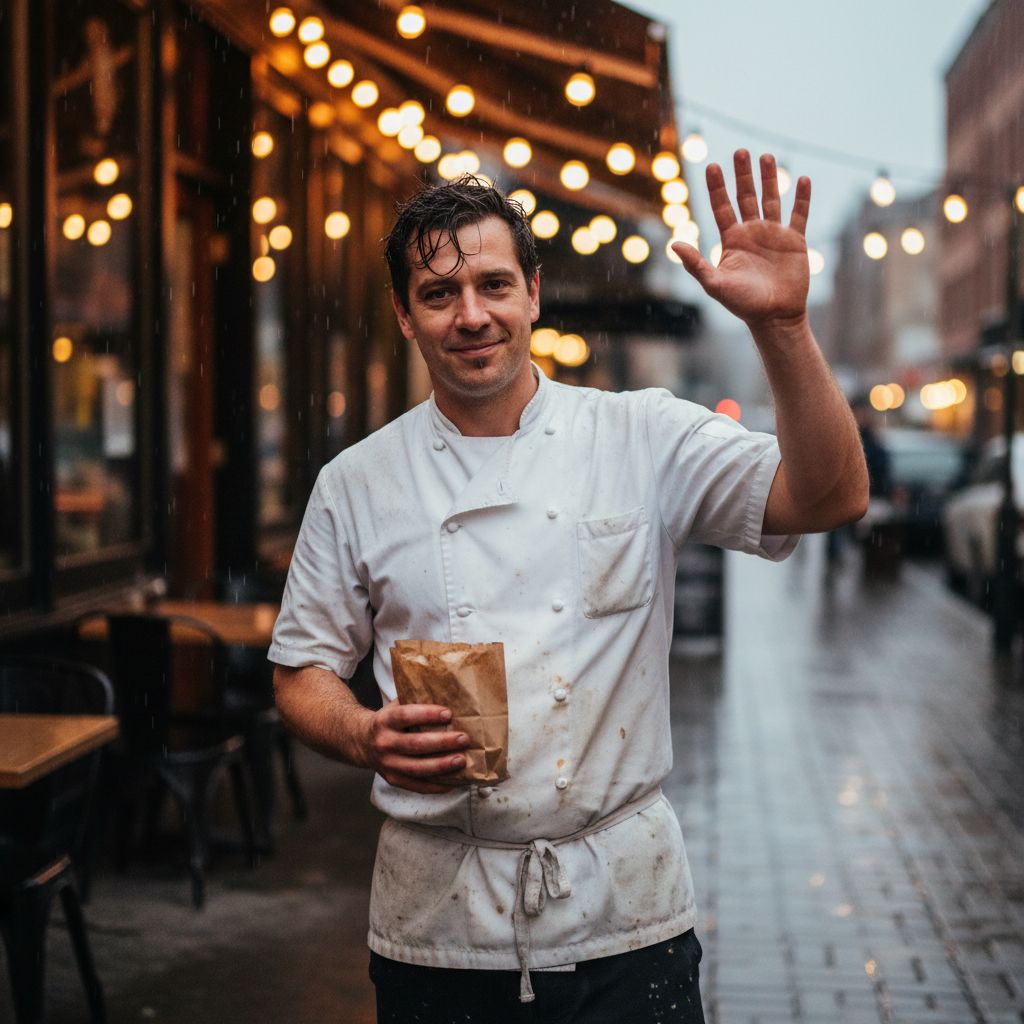
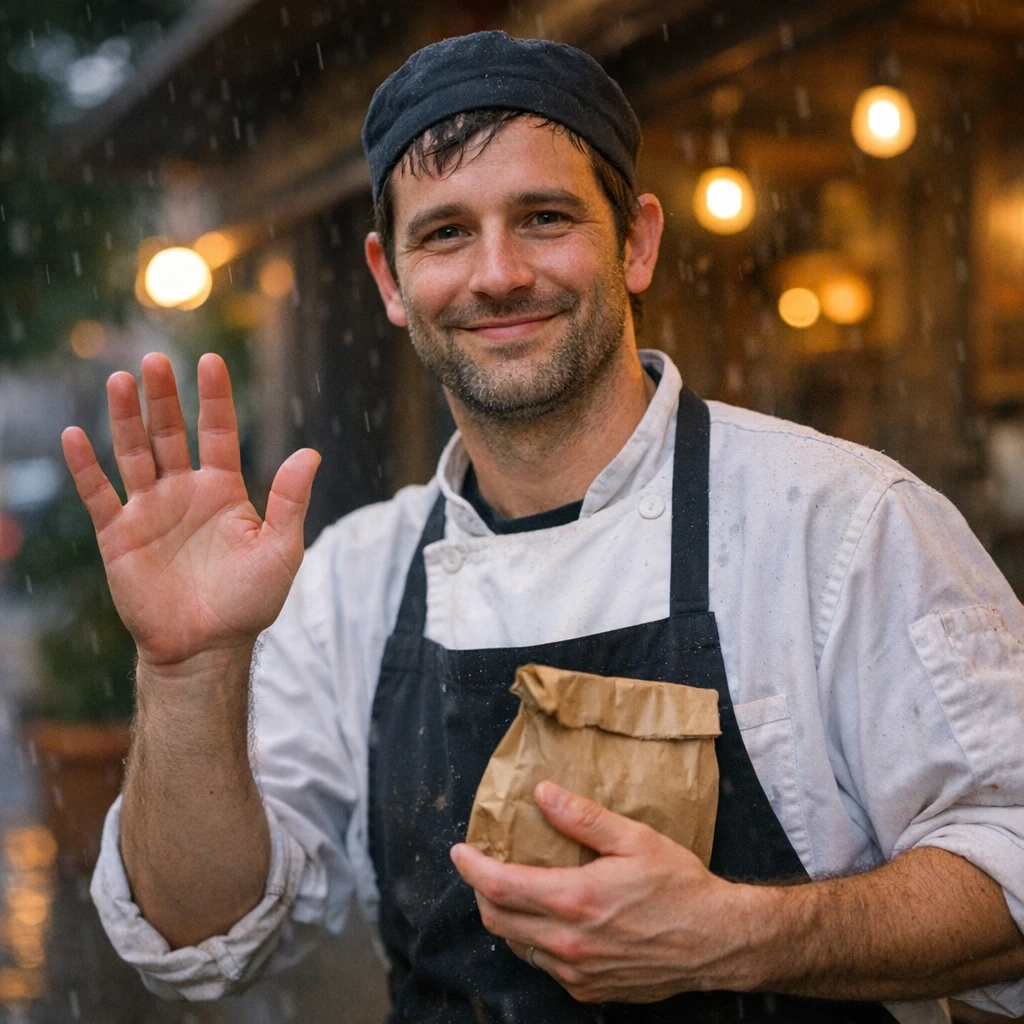
Analysis: Both models produced photorealistic portraits with correct finger counts. Nano Banana was 5x faster. GPT Image added more atmospheric detail with the rain.
Typography Stress Test
A clean poster with 'WINTER MARKET' (all caps), crisp kerning, Swiss design...
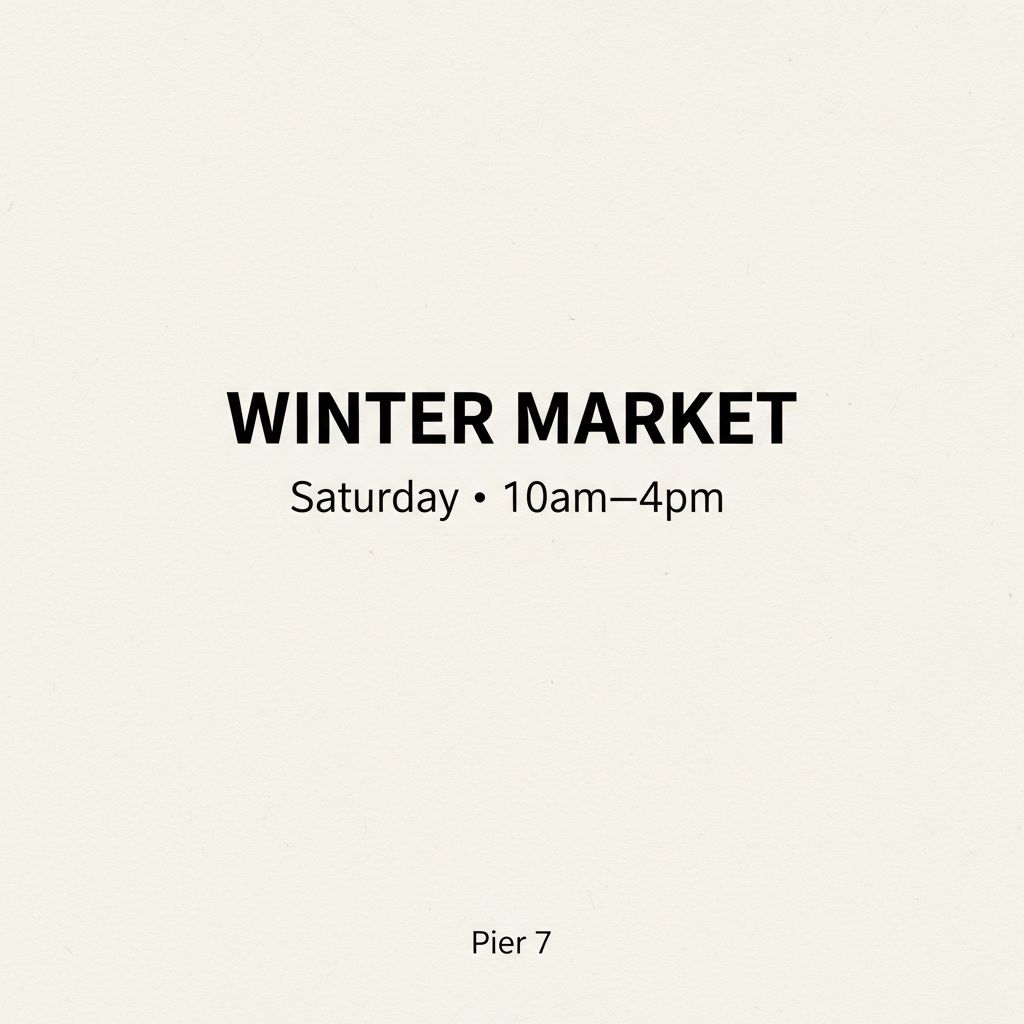
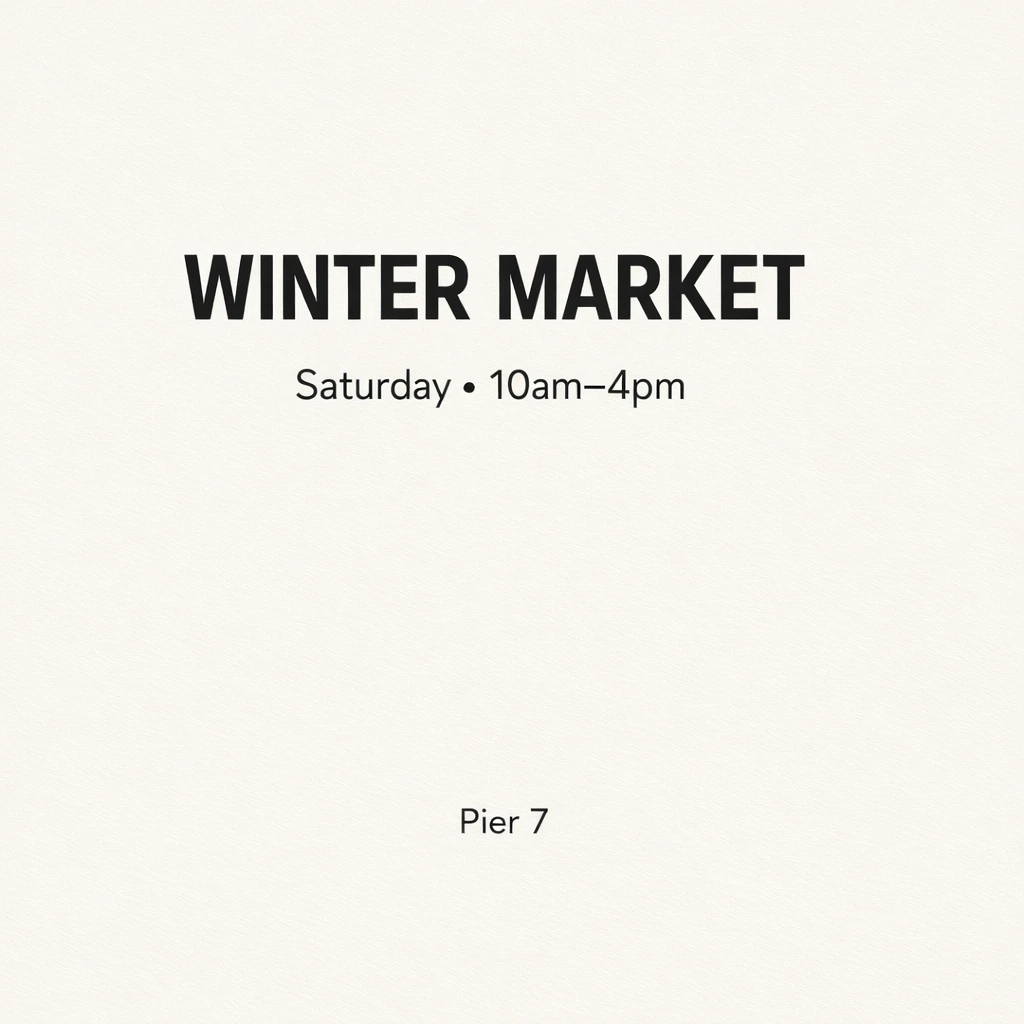
Analysis: Both produced clean, usable typography. GPT Image had slightly better kerning. The "AI can't spell" jokes are outdated for these top-tier AI image generators.
Background Swap Test (Image Editing)
Replace red background with blurred bookstore interior, preserve face exactly...
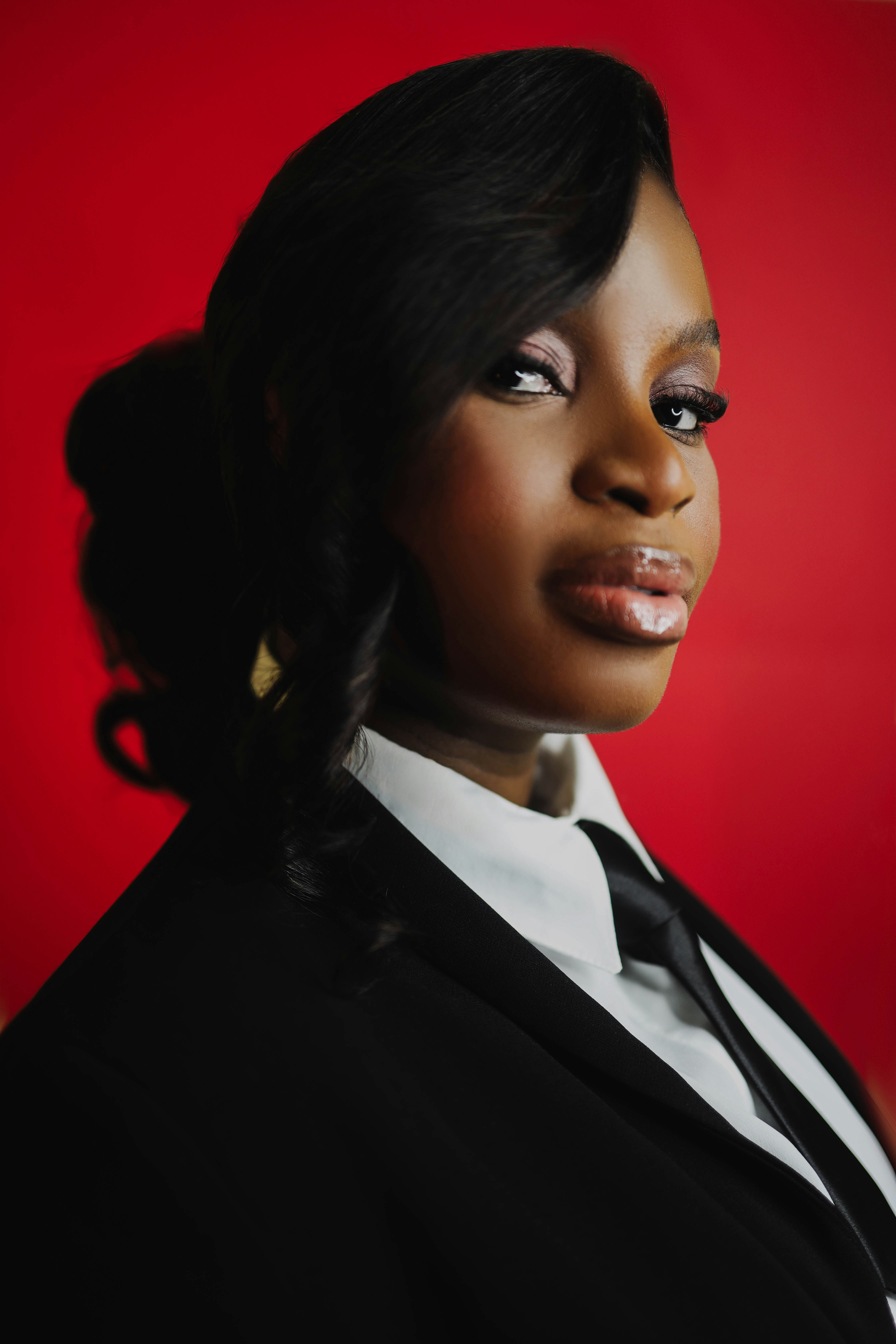
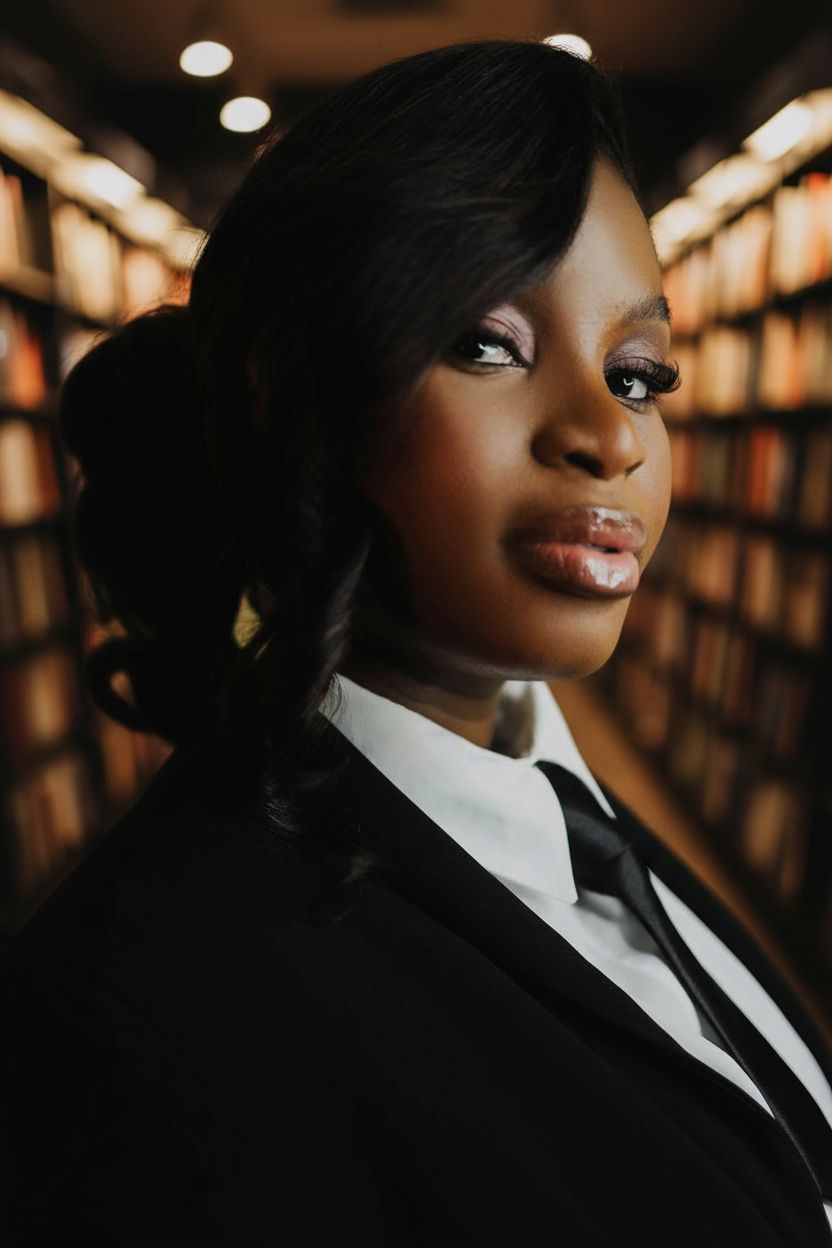
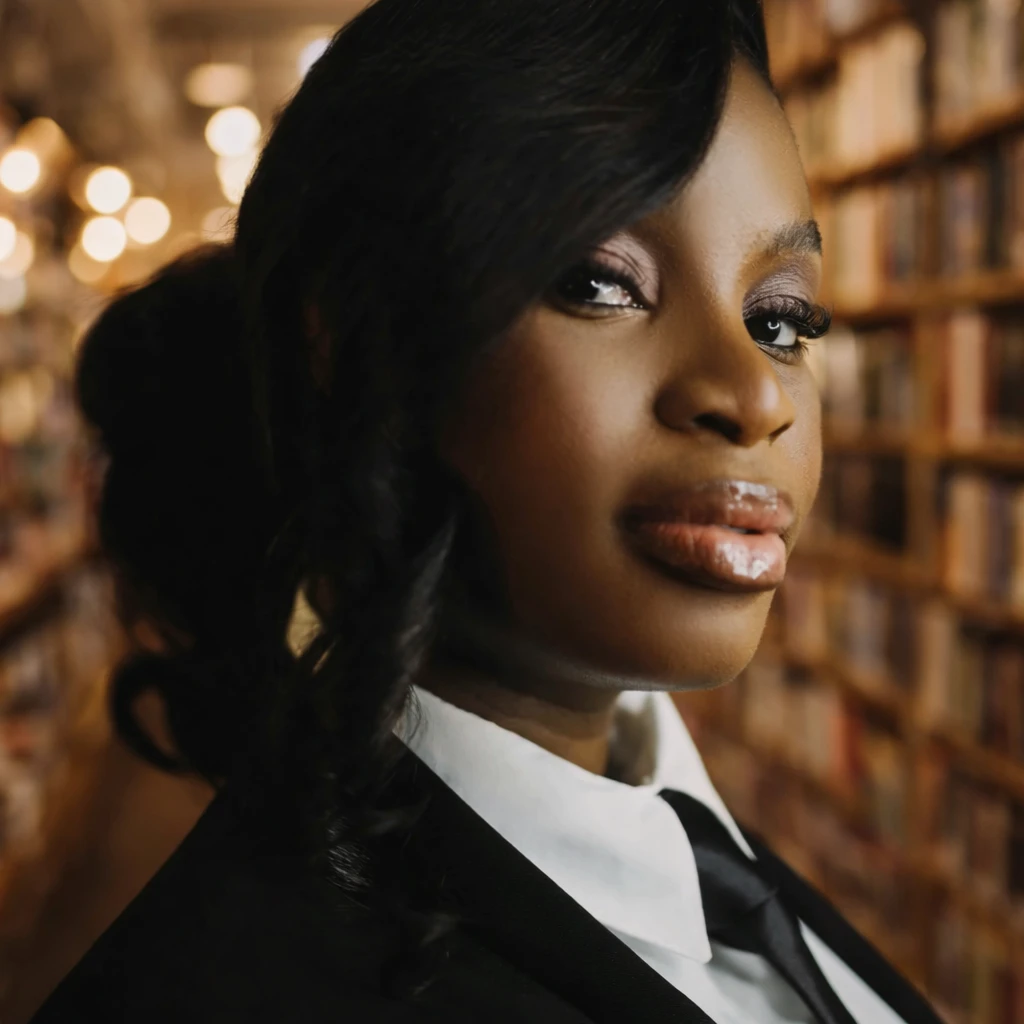
Analysis: Nano Banana preserved the face better and adapted lighting naturally. This demonstrates why Nano Banana excels at image editing tasks where subject preservation matters.
Product Photography Test
Matte-black insulated water bottle with brushed metal cap, dark slate surface...
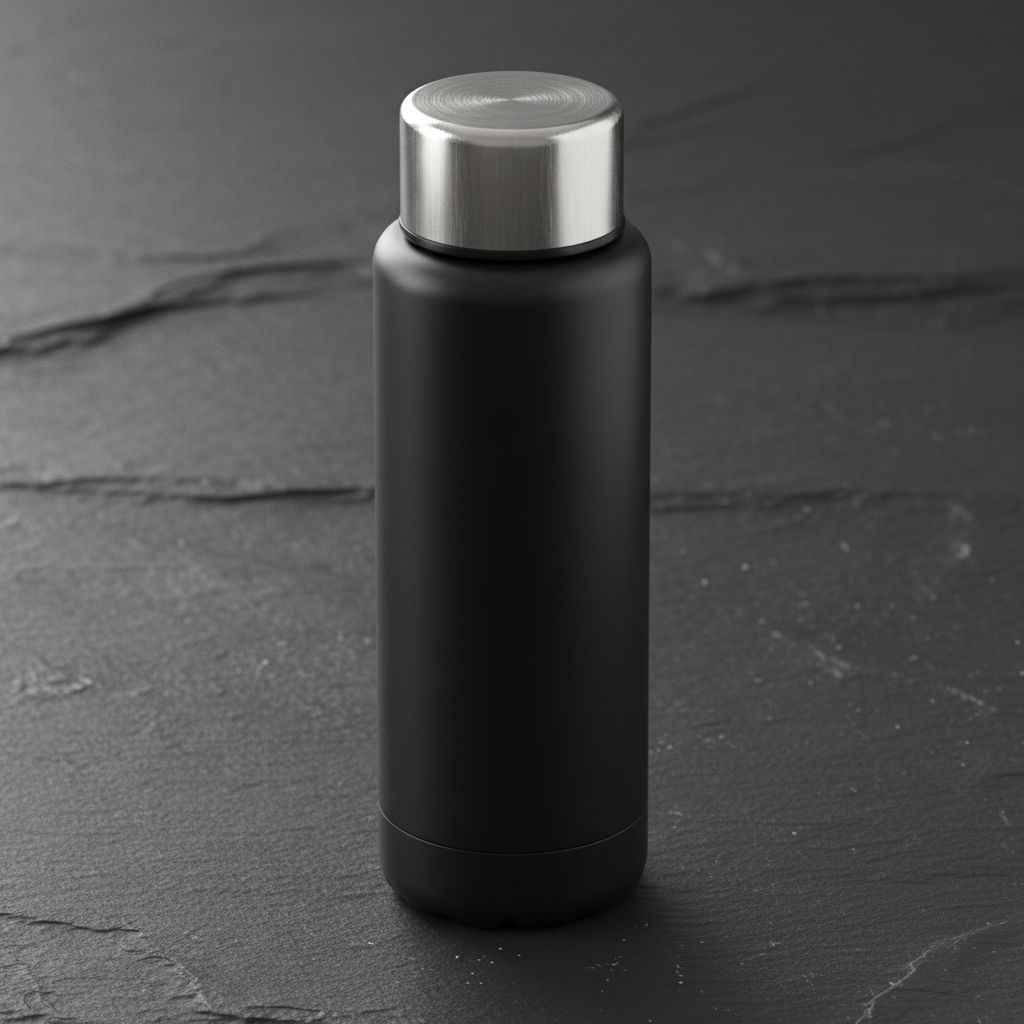
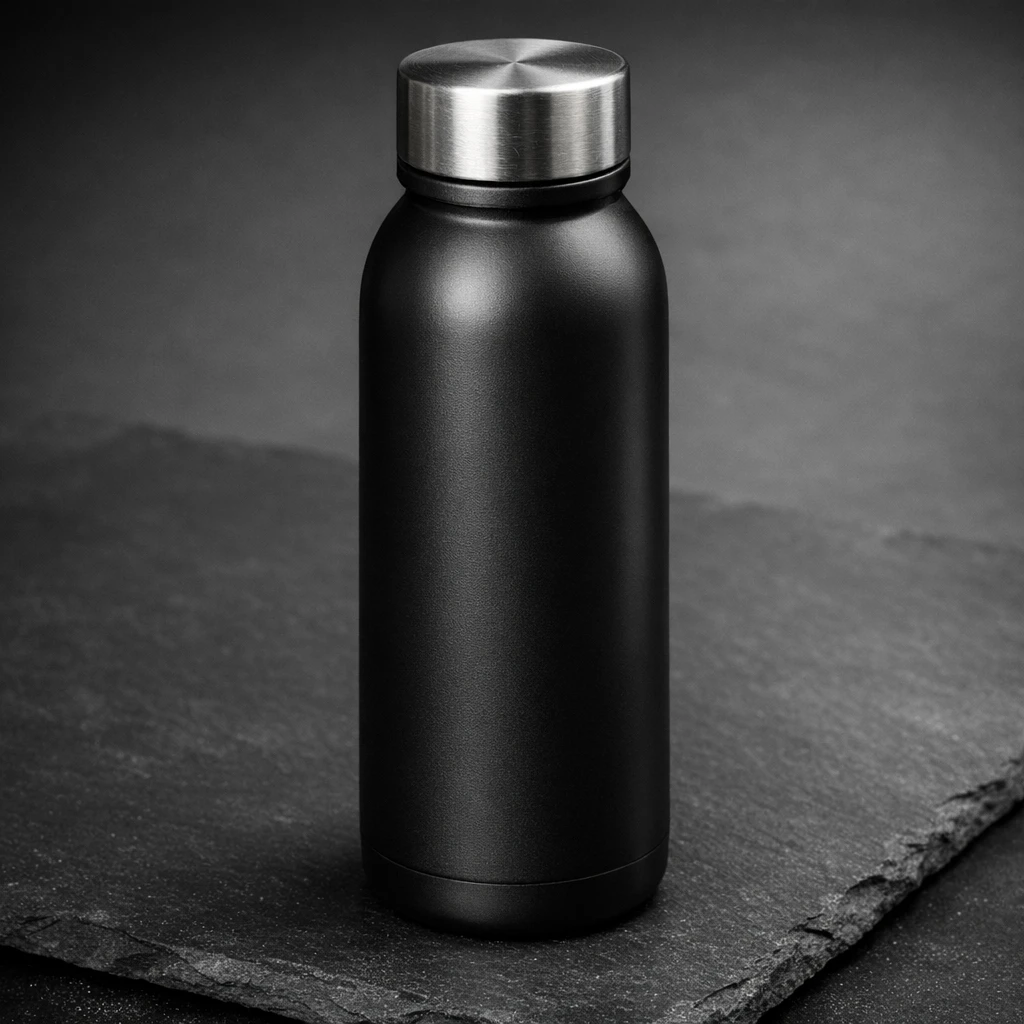
Analysis: Both produced high-quality product shots suitable for e-commerce. Nano Banana captured the matte finish accurately. GPT Image added more environmental context with better reflections.
Key Takeaway from Visual Tests
Nano Banana consistently delivered results 3-5x faster while maintaining competitive quality. GPT Image produced slightly more polished outputs for complex prompts but required more time. For rapid iterations and editing workflows, Nano Banana's speed advantage is significant.
Head-to-Head: Feature Comparison
We tested both AI models across key criteria that matter for creative professionals. Here's how the Nano Banana vs ChatGPT comparison breaks down in real-world testing across various image generation tasks.
| Feature | Nano Banana | GPT Image |
|---|---|---|
| Text-to-Image Generation | Good | Excellent |
| Image Editing | Excellent | Good |
| Complex Prompts | Good | Excellent |
| Speed | ~9 seconds | ~15 seconds |
| Photorealistic Output | Very Good | Excellent |
| Subject Preservation | Excellent | Moderate |
| Text Rendering | Good | Very Good |
| API Access | ||
| Cost per Generation | 3 credits | 5 credits |
Nano Banana Wins At
- Speed: Nearly 40% faster generation
- Image editing and enhancement
- Subject preservation during edits
- Cost efficiency (3 vs 5 credits)
GPT Image Wins At
- Text-to-image from complex prompts
- Photorealistic image quality
- Understanding nuanced descriptions
- Text rendering in generated images
The comparison reveals clear patterns. Nano Banana excels for high-volume workflows needing rapid iterations. GPT Image shines for complex prompts and photorealistic quality. For text rendering, GPT Image handles typography slightly better, but Nano Banana's editing precision produces cleaner results when adding text to existing images through enhancement.
For video content needs, explore Sora 2 vs Veo 3 or our image to video AI guide.
Best Use Cases for Each AI Model
Understanding the ideal use cases for each image model will save you time and credits. Here are specific scenarios where each excels.
Use Nano Banana When:
Background Swaps
Replace backgrounds while preserving subjects perfectly
Product Photo Enhancement
Add branding, adjust lighting, swap materials
Rapid Iterations
Quick edits when speed matters more than perfection
E-commerce Imagery
Edit existing product photos for listings
Use ChatGPT / GPT Image When:
Creative Concepts
Generate entirely new images from detailed descriptions
Marketing Visuals
High-quality hero images and campaign assets
Photorealistic Scenes
When you need images that look like real photographs
Complex Compositions
Multi-element scenes requiring precise arrangement
Pro Tip: Workflow Integration
Many professionals use both in their creative workflow. Generate initial concepts with GPT Image, then refine and edit with Nano Banana. For advanced editing needs, explore Nano Banana Pro which offers 4K resolution and multi-image reference. This approach maximizes both creativity and precision while keeping costs reasonable.
For industry-specific guides: AI for marketing covers campaign assets, while AI for e-commerce details product photography. Both integrate with Photoshop through their APIs. Nano Banana excels with existing assets and rapid iterations. GPT Image handles creative generation better, interpreting complex prompts to produce campaign-ready images.
Final Verdict: Which Should You Choose?
The Nano Banana vs ChatGPT image decision comes down to your primary use case. Both are excellent AI image generators solving different problems.
Choose Nano Banana if your workflow centers on image editing. Google's Nano Banana excels at background changes, object additions, material swaps, and enhancement. It's faster, more cost-effective, and preserves subjects better than competitors. For high-volume product photography or social media content, Nano Banana's speed and pricing make it practical.
Choose GPT Image if you create new images from scratch. OpenAI's image model understands complex prompts better and produces more photorealistic results. When you need high-quality visuals from detailed text descriptions, GPT Image delivers consistently as the AI image generator for fresh content.
For comprehensive capabilities, have both in your toolkit. Access them through Vondy's Creative Playground alongside Seedream and Flux. For Google's best technology, AI photo editors like Nano Banana Pro offer 4K output and multi-reference support. Explore AI for graphic design or AI art generators for specialized workflows.
Ready to Compare Them Yourself?
Test Nano Banana and GPT Image side-by-side with your own prompts.
Continue Learning