Nano Banana vs Seedream: Google vs ByteDance AI Image Generation
Two cutting-edge AI image generation models face off. We compare Google's Gemini-powered Nano Banana with ByteDance's Seedream 4.0 across real-world use cases, from photorealistic portraits to image editing tasks.
 by Rohit DasJan 15, 202610 min read
Google vs ByteDance: AI Image Generation Powerhouses
The Nano Banana vs Seedream debate showcases two different approaches to AI image generation. Google's Nano Banana, built on the Gemini architecture, specializes in surgical precision for image editing. ByteDance Seedream 4.0 focuses on photorealistic text-to-image generation with exceptional detail in food, interiors, and character work. Both represent cutting-edge advances in how AI tools handle visual content creation.
Both AI models emerged from tech giants investing heavily in generative AI. Google's Gemini powers Nano Banana with natural language understanding from Google's broader AI-powered ecosystem, including connections to the Gemini app for multimodal tasks. ByteDance developed Seedream as part of their content creation stack, optimizing for the high-fidelity outputs that content creators need for social media platforms.
Understanding these differences matters for anyone working with AI-generated images. Nano Banana excels at editing tasks where you need to preserve specific elements while making targeted changes. Seedream 4.0 produces stunning photorealistic scenes from simple prompts, with particular strength in atmospheric details that sell the illusion of a real photograph.
We tested both across identical text prompts, measuring output quality, speed, and real-world usability. This side-by-side comparison will help you choose the right tool for your workflow. For broader context, see our complete AI image generators guide.
Model Overview: Nano Banana vs Seedream 4.0
Nano Banana
Google / Gemini
Google Nano Banana delivers surgical precision for image editing and generation. Built on Google's Gemini architecture, it processes requests in approximately 7-9 seconds with excellent text rendering and character consistency.
Seedream 4.0
ByteDance
ByteDance Seedream 4.0 excels at photorealistic generation with exceptional detail in complex scenes. Its strength lies in food photography, interior design, and anime style transfer with consistent character outputs.
The Core Difference
Nano Banana prioritizes speed and precision for editing tasks and text rendering. Seedream 4.0 focuses on photorealistic quality images with attention to environmental details like lighting, shadows, and atmospheric effects. Both support API access for integration into production workflows and generate quality images at the same pricing tier.
Think of it this way: if you're working with existing images and need precise modifications, Google Nano Banana is your go-to image generation model. If you're creating new visuals from scratch and want maximum photorealism, ByteDance Seedream delivers superior outputs. Unlike ChatGPT's image generation, both models are specifically optimized for visual content rather than conversational AI.
Visual Comparison: Same Text Prompts, Different Outputs
We tested both AI models with identical simple prompts to compare output quality directly. These benchmarks reveal where each model excels in AI image generation. Click any image to view the full text prompts used and compare the generated images in detail.
Each test targets specific capabilities: portrait generation tests facial features and natural skin textures, food photography tests macro detail and appetizing presentation, interior design tests spatial accuracy and lighting coherence, and typography tests text rendering precision. These real-world scenarios represent common use cases for both models.
Portrait / Character Test
A candid street portrait of a 34-year-old chef standing outside a small neighborhood restaurant at dusk, light rain in the air. Natural skin texture, subtle imperfections...

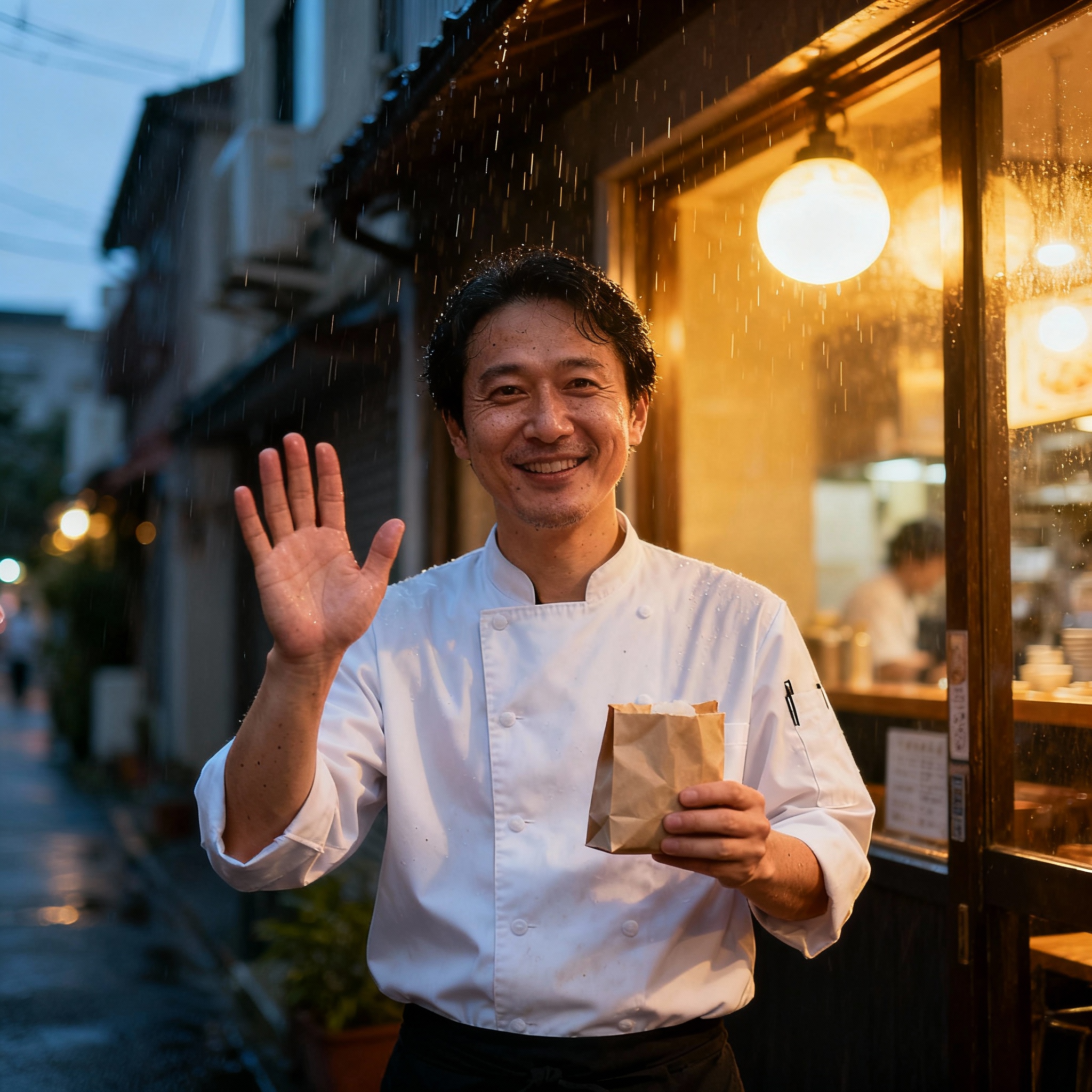
Analysis: Both models produced photorealistic portraits. Seedream 4.0 rendered actual rain droplets on the chef's hair, a detail most AI models miss. Nano Banana was slightly faster with excellent facial features.
Food / Macro Test
Extreme close-up macro photo of a flaky croissant torn open, visible layered crumb structure, butter sheen, steam gently rising...
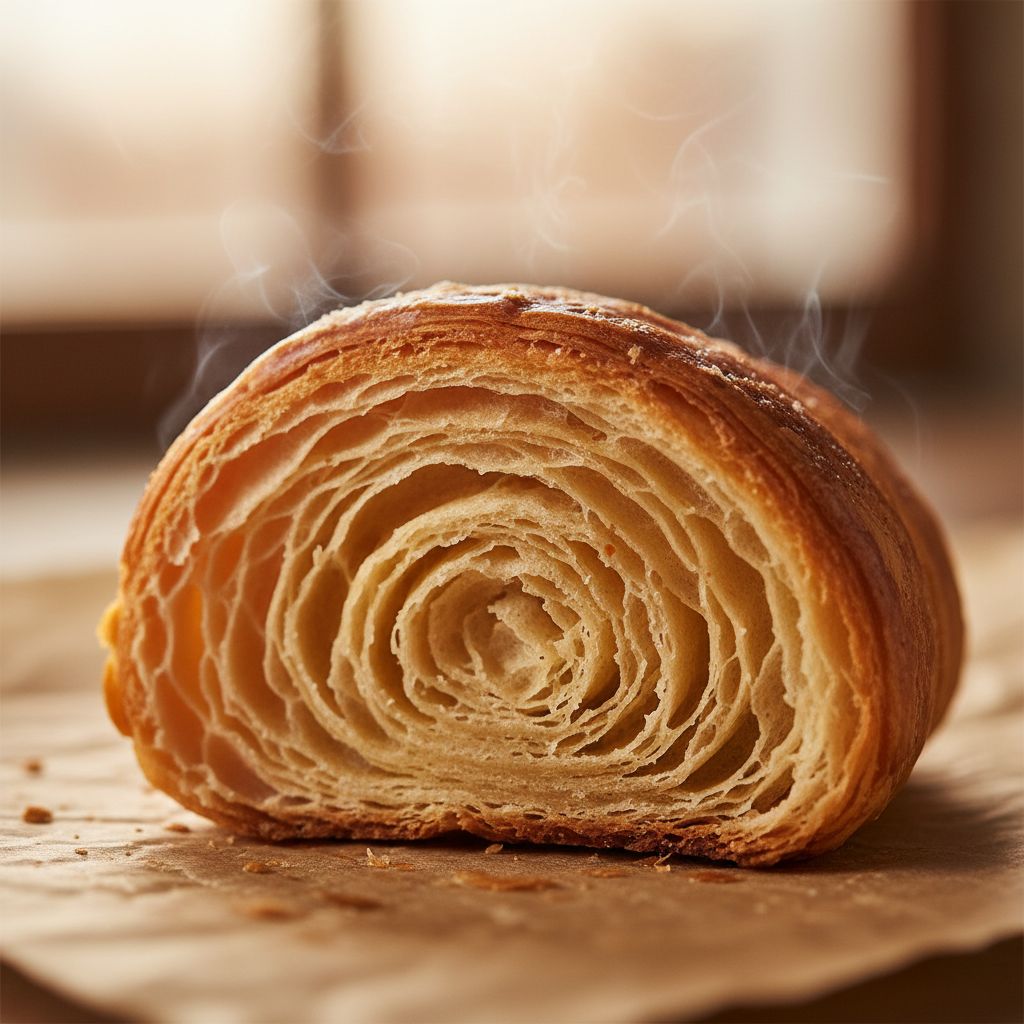
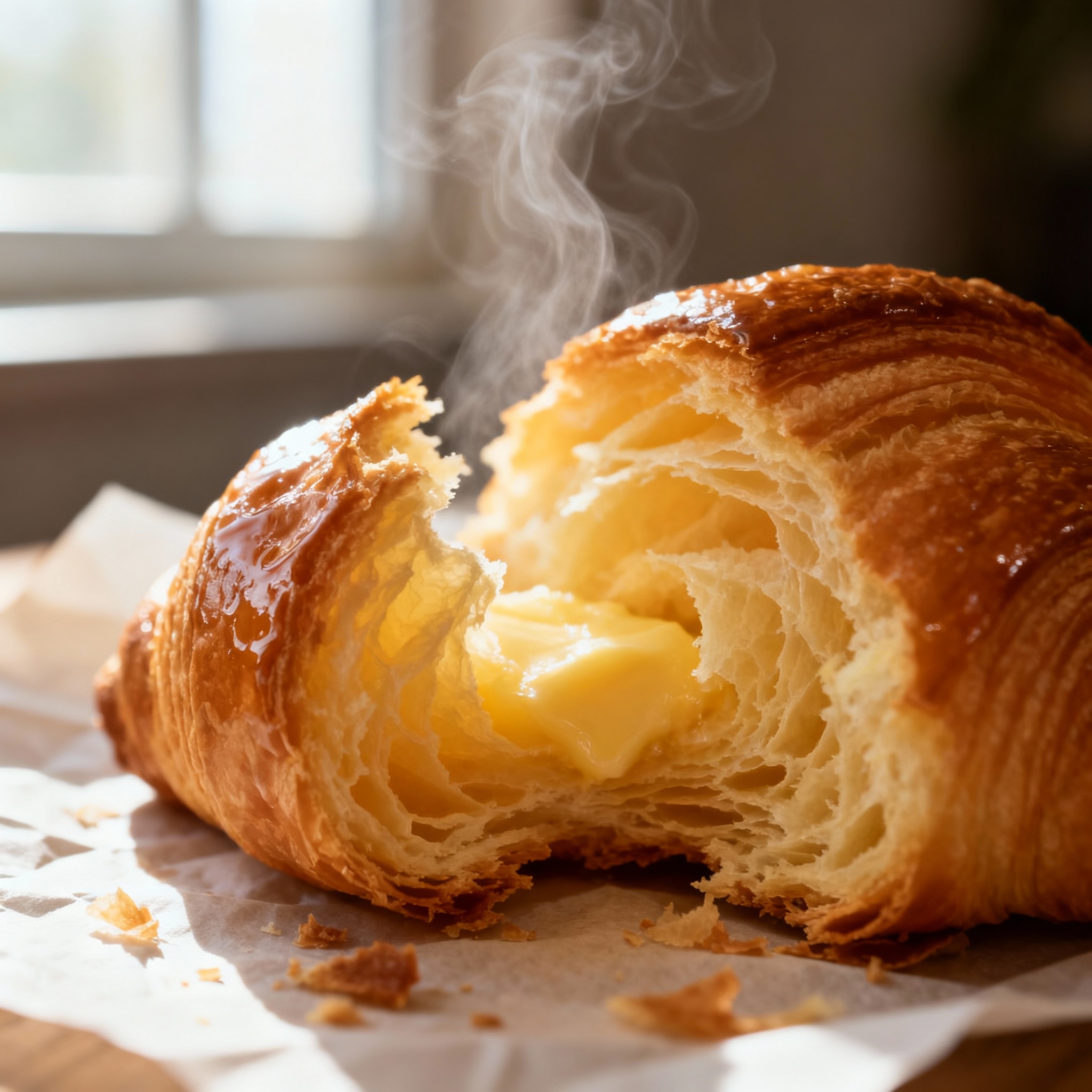
Analysis: Seedream 4.0 excels at food photography with distinct laminated layers and realistic steam. Both produced high-quality outputs suitable for social media or e-commerce listings.
Interior Design Test
A modern Japandi living room: oak slat accent wall, low linen sofa, round paper lantern pendant, textured wool rug, a single bonsai...

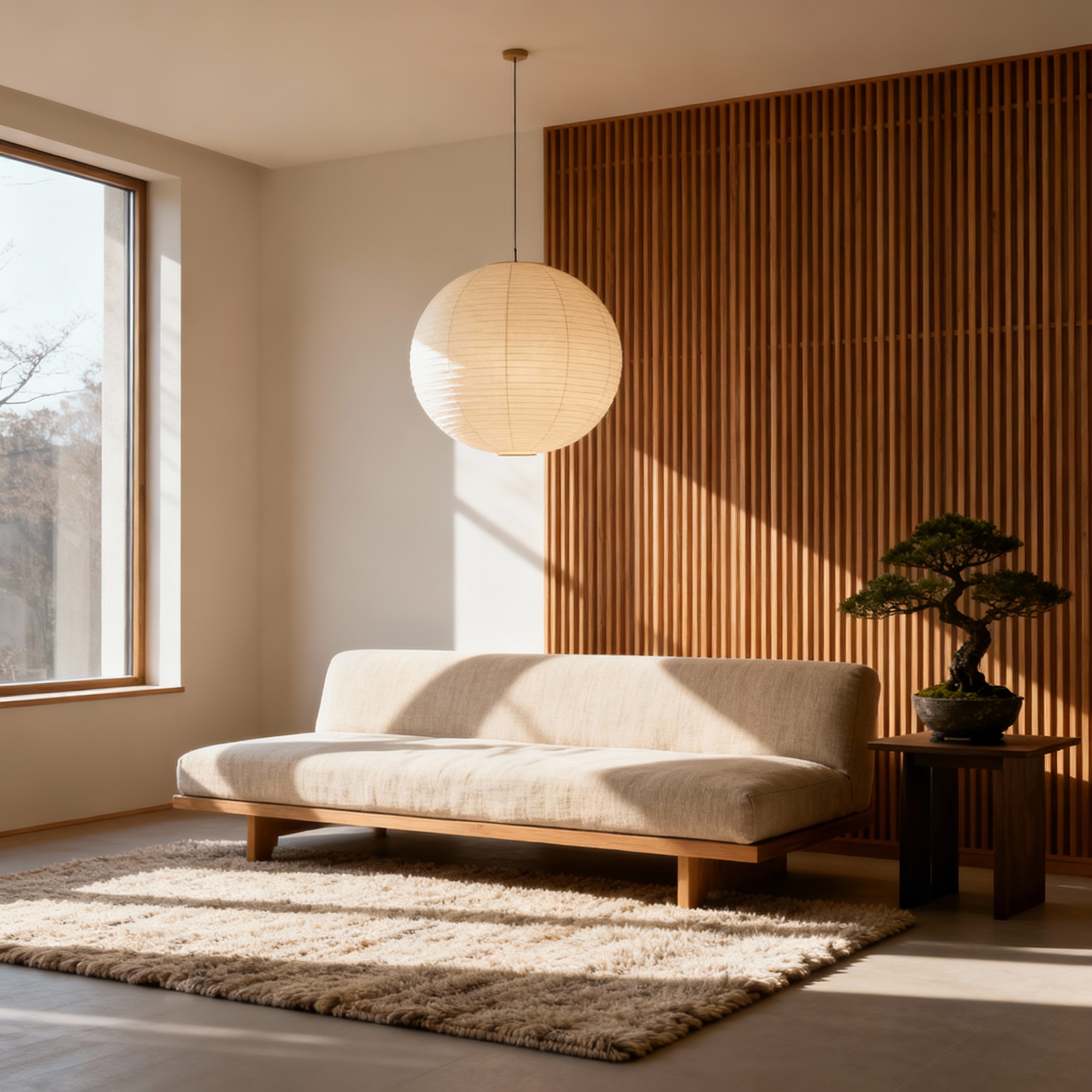
Analysis: Both handled interior geometry well with correct perspective and shadow coherence. Seedream's bonsai shadow matched the window light direction, showing attention to detail in generated images.
Typography Test
A clean poster on off-white paper with minimal Swiss design. 'WINTER MARKET' (all caps), crisp kerning, perfectly spelled...
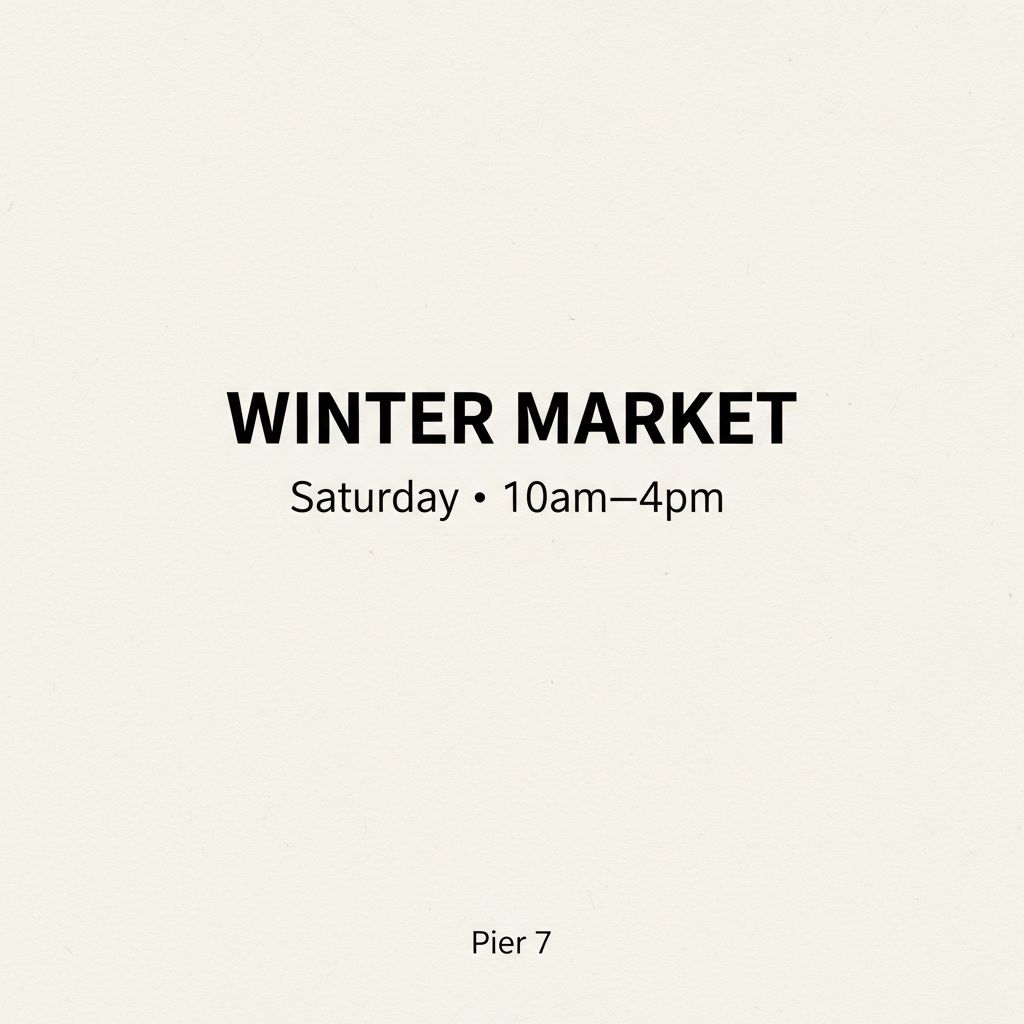
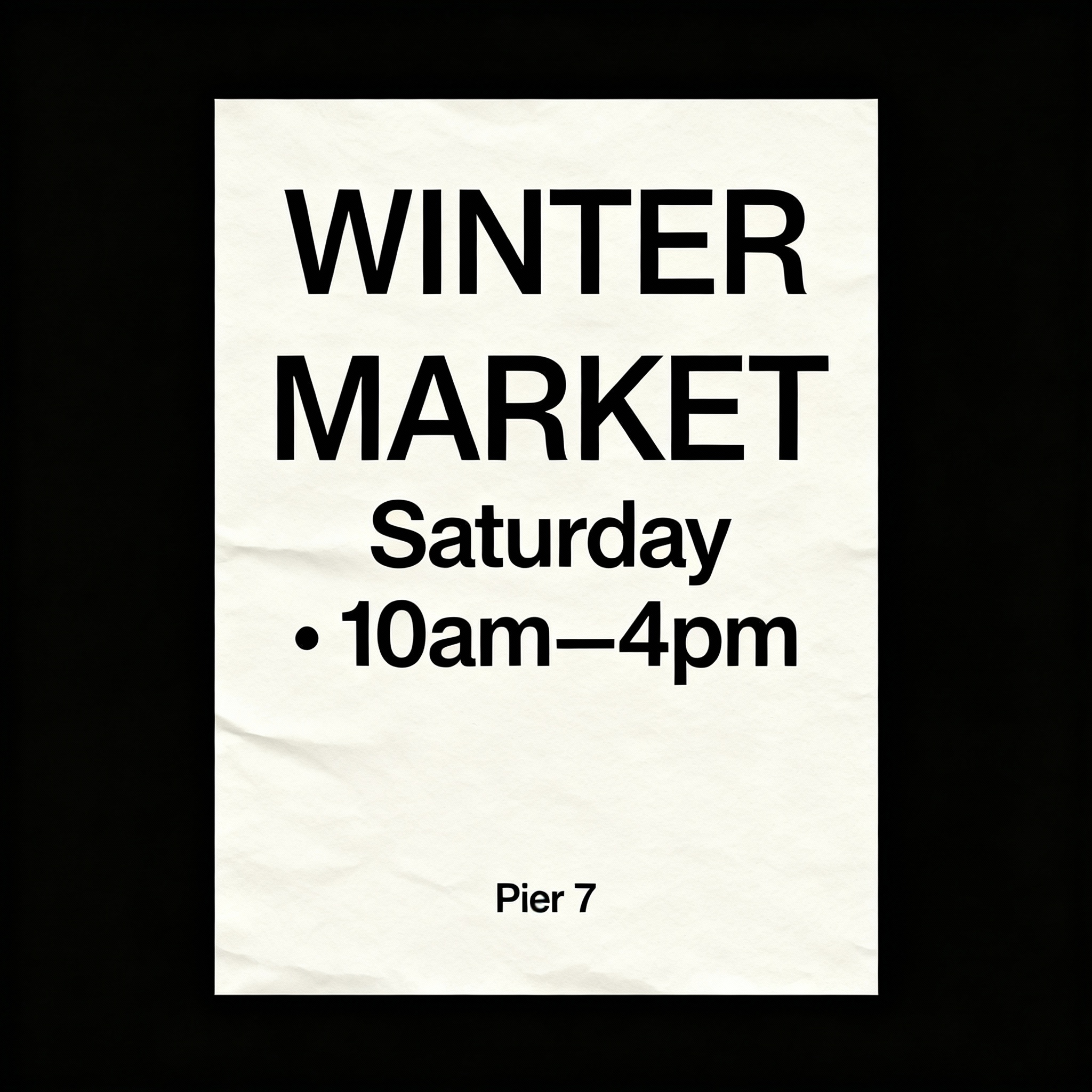
Analysis: Text rendering benchmarks show both AI models have improved significantly. Google Nano Banana produced cleaner typography, making it better for text-heavy outputs like flyers or mockups.
Image Editing Comparison
Both Nano Banana and Seedream can handle editing tasks with reference images. We tested background swaps, wardrobe changes, and style transfer to see how they preserve subjects while making targeted modifications.
Background Swap Test
Keep the person's face, hair, makeup, pose, and suit exactly the same. Replace the red background with a softly blurred bookstore interior...
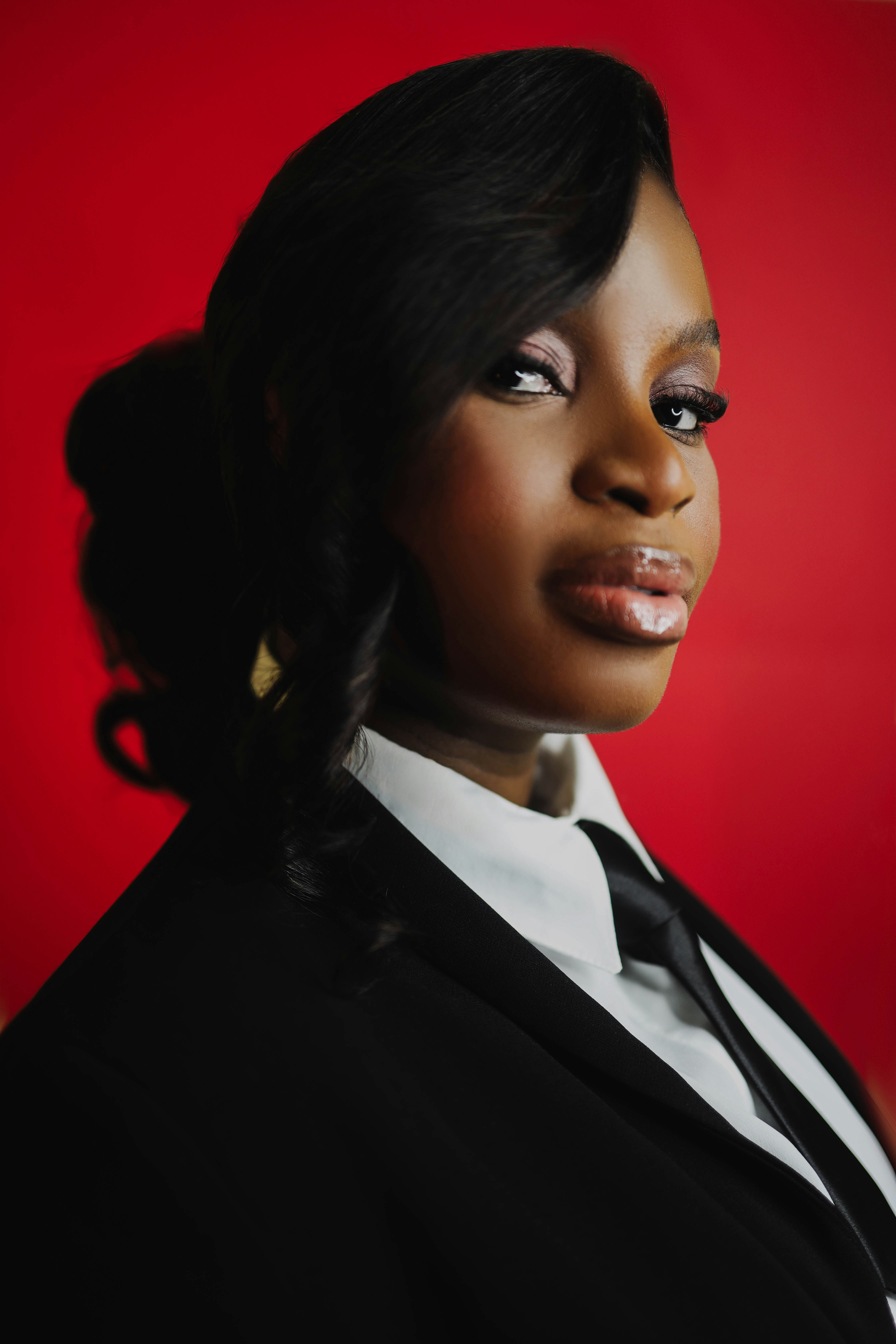
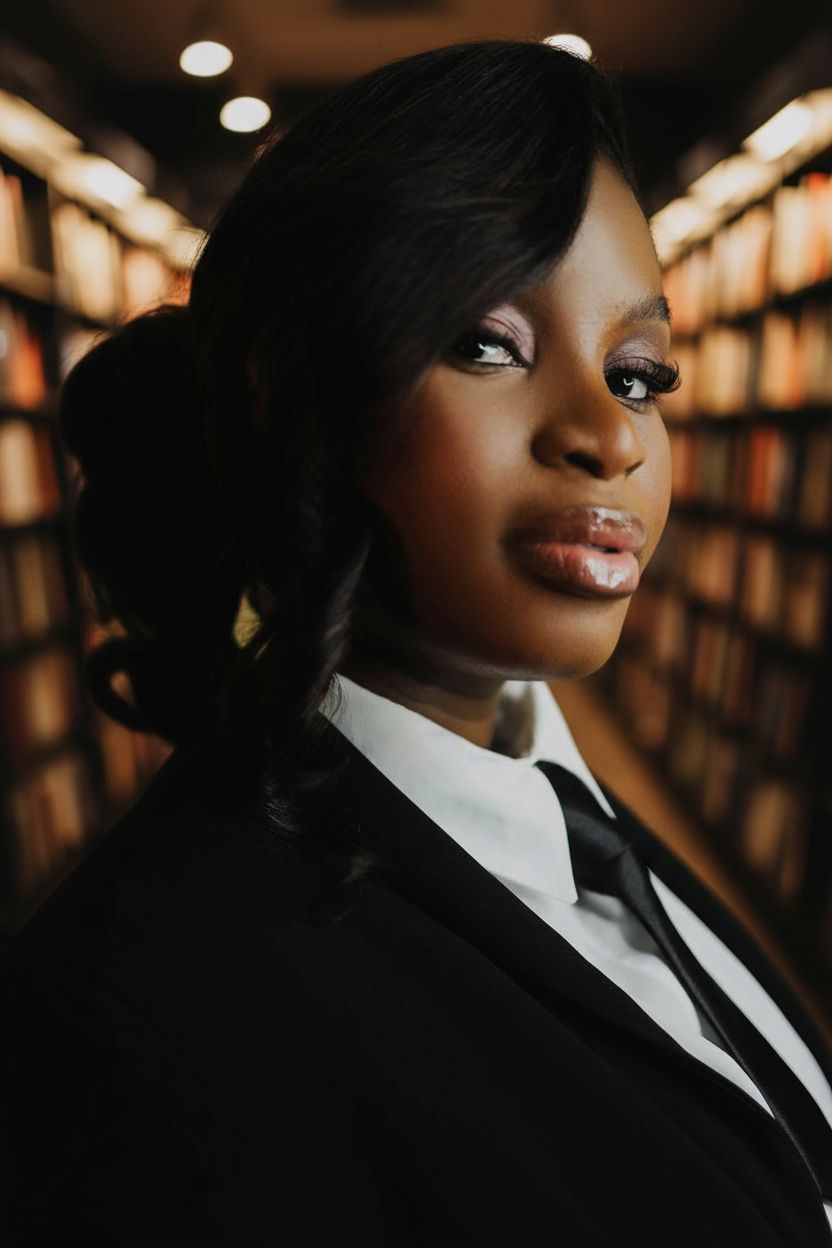
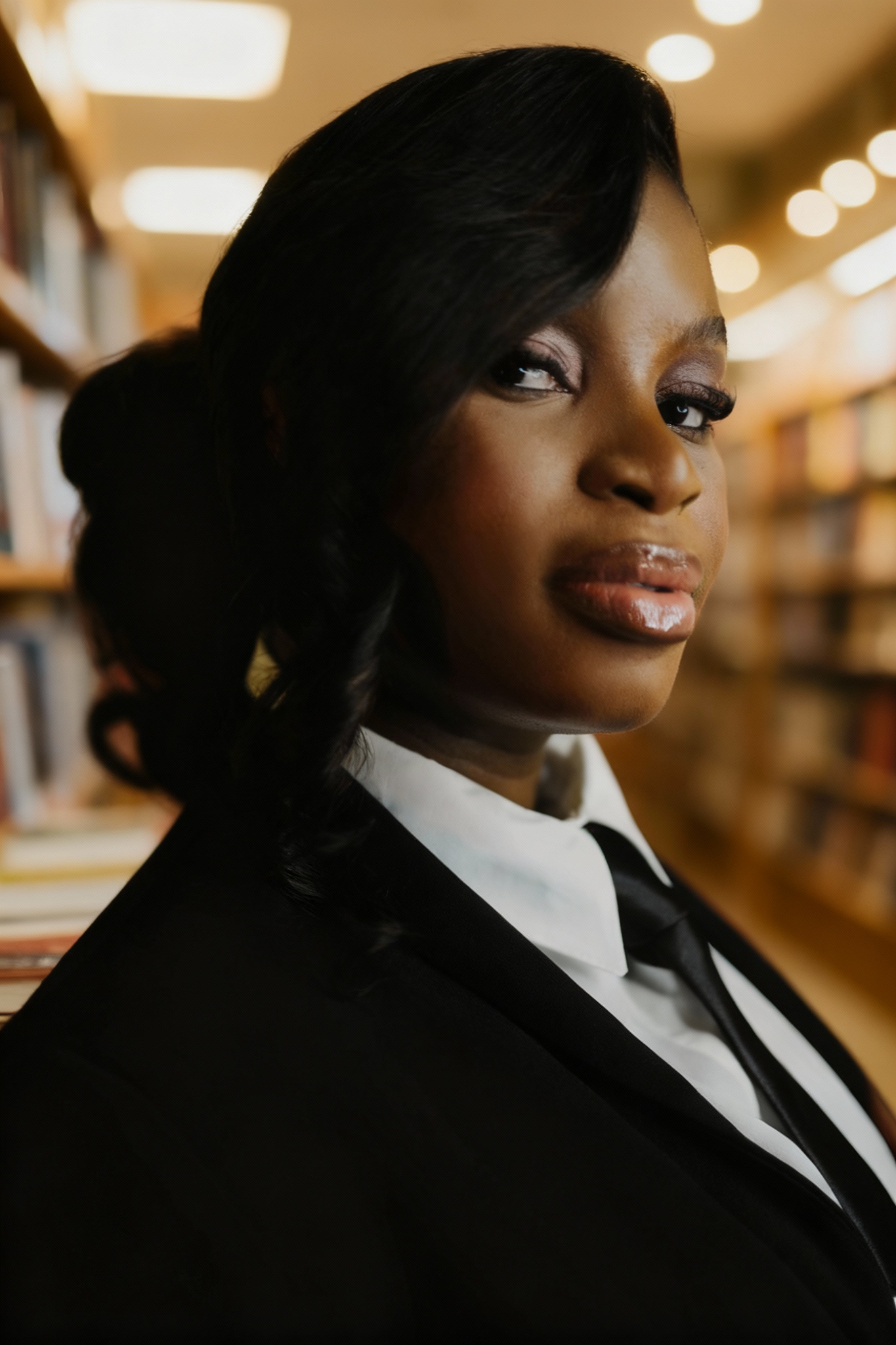
Analysis: Nano Banana preserved the subject better during editing tasks. Both adapted lighting naturally, but Nano Banana's outputs showed better facial features preservation.
Wardrobe Material Change
Change only the black suit jacket into a dark indigo denim jacket with visible stitching and metal buttons...
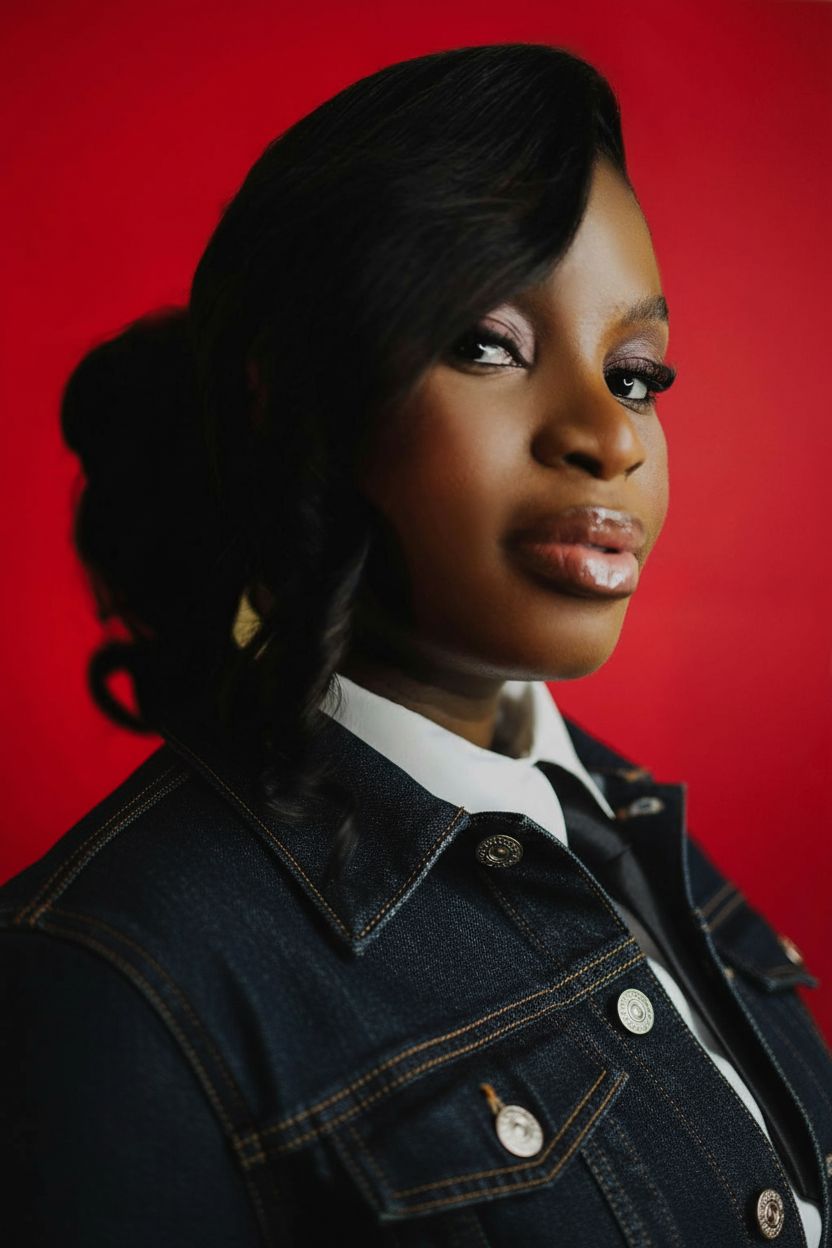
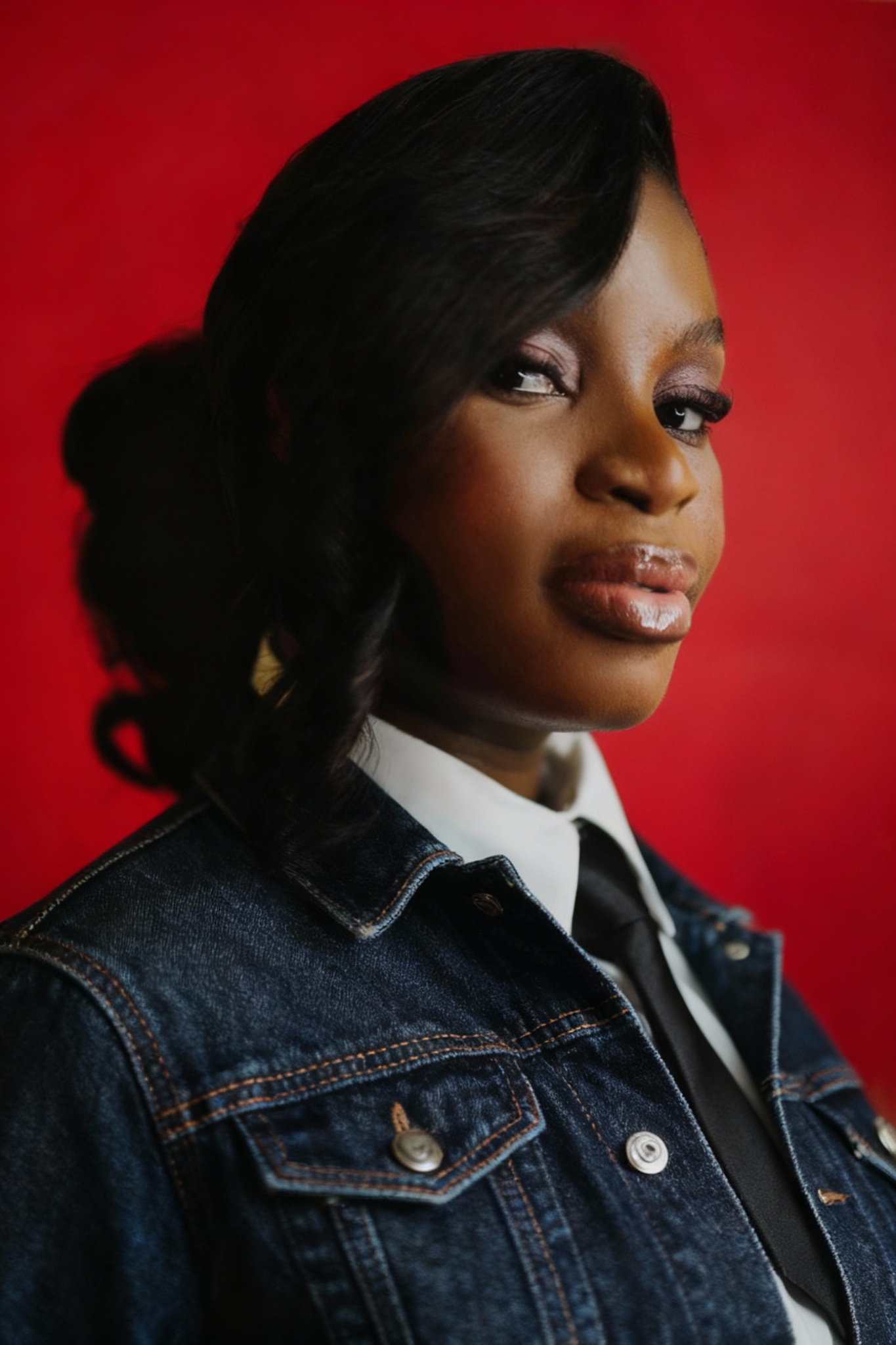
Analysis: For style transfer and material changes, Nano Banana was nearly twice as fast while maintaining quality. Both models handled the editing images task well without face drift.
Head-to-Head: Feature Comparison
Here's how Nano Banana vs Seedream breaks down across key criteria for content creators and designers. Both are accessible through Vondy's API with identical pricing, making the choice purely about which model fits your use cases best.
Our benchmarks tested everything from simple prompts to complex multi-element scenes. We evaluated text rendering quality, photorealistic output, and how well each model preserves facial features during editing tasks. The results reveal clear patterns in where each image generation model excels.
| Feature | Nano Banana | Seedream 4.0 |
|---|---|---|
| Text-to-Image Quality | Very Good | Excellent |
| Image Editing | Excellent | Good |
| Text Rendering | Excellent | Good |
| Speed | ~7-9s | ~9-12s |
| Photorealistic Output | Very Good | Excellent |
| Character Consistency | Good | Very Good |
| Food / Interior Scenes | Good | Excellent |
| Cost per Generation | 3 credits | 3 credits |
Nano Banana Wins At
- Speed: Consistently 20-40% faster
- Image editing and tweaking tasks
- Text rendering and typography
- Mockups and design assets
Seedream 4.0 Wins At
- Photorealistic scene generation
- Food and interior photography
- Consistent character across outputs
- Anime and artistic style transfer
Best Use Cases for Each AI Model
Use Nano Banana When:
Rapid Iterations
When you need quick outputs for step-by-step refinement
Flyer and Poster Design
Text-heavy designs requiring clean typography
Background Swaps
Editing images while preserving subjects precisely
Product Mockups
Quick prototypes and design variations
Use Seedream 4.0 When:
Food Photography
Restaurant menus, recipe blogs, social media food content
Interior Design Visualization
Room concepts with accurate lighting and shadows
Character Art
Anime, game characters, or consistent character series
Filmmaking Concepts
Storyboards and scene visualization with atmosphere
Pro Tip: Combine Both in Your Workflow
Many content creators use Seedream 4.0 for initial photorealistic generation, then switch to Nano Banana for tweaking and refinement. For even higher resolution needs, Nano Banana Pro offers 4K resolution outputs with reference images support. Learn more in our AI for content creation guide.
This step-by-step approach maximizes the strengths of each model. Generate your base image with Seedream for photorealistic quality, then use Nano Banana for any needed adjustments to facial features, backgrounds, or adding text elements. Both models handle high resolution outputs well, making them suitable for professional use cases.
Final Verdict: Which Should You Choose?
The Nano Banana vs Seedream decision depends on your primary use cases. Both are high-quality AI tools at identical pricing, so the choice comes down to workflow requirements and which type of outputs you need most often.
Choose Nano Banana if speed matters and you work heavily with image editing, typography, or mockups. Google Nano Banana excels at surgical precision, making it ideal for designers who need rapid iterations. The model's strength in text rendering makes it particularly valuable for marketing materials, flyers, and any AI-generated content requiring readable typography. For comparing with ChatGPT's image capabilities, see our Nano Banana vs ChatGPT breakdown.
Choose Seedream 4.0 if photorealistic quality is your priority. ByteDance Seedream produces exceptional food photography, interior scenes, and character art with natural lighting and atmospheric detail. The model handles consistent character generation well, making it suitable for anime projects or any work requiring character consistency across multiple generated images. It's the better choice for content creators focused on visual storytelling.
For projects requiring both capabilities, keep both in your toolkit. Generate your base images with Seedream 4.0 for photorealistic quality, then refine with Nano Banana for tweaking specific elements. This combined workflow gives you the best of both AI models without sacrificing quality or speed.
For professional work requiring maximum quality, consider AI photo editors or explore our AI art generators guide for creative applications. Both Nano Banana and Seedream integrate seamlessly with broader AI image generation workflows.
Ready to Compare Them Yourself?
Test Nano Banana and Seedream 4.0 side-by-side with your own prompts.