How to Write a Book with AI: A Complete Visual Guide
Learn how to use AI as your co-author for writing books. From brainstorming and worldbuilding to generating book covers and illustrations, this guide covers the complete workflow for leveraging artificial intelligence in your creative writing process.
 by Rohit DasJan 15, 202612 min read
AI as Your Writing Partner
Writing books has entered a new era with artificial intelligence. Whether you're tackling your first fiction book or your tenth non-fiction project, AI writing tools can streamline every stage of book creation. From initial brainstorming sessions to final revisions, AI models like ChatGPT, Claude, Sudowrite, and Squibler offer AI assistance that adapts to your writing style and creative vision. The ability to use AI for creative writing has transformed how authors approach everything from novel writing to screenwriting.
But here's what makes Vondy different: we focus on the visual side of book creation. While ChatGPT helps you draft chapters and Sudowrite generates prose, Vondy's image generation tools create professional book covers, character designs, and interior illustrations. This guide covers both the writing process and visual content creation, giving you a complete workflow for your entire book. Whether you're a beginner exploring AI features or an experienced author looking to streamline your content creation pipeline, these visual workflows will elevate your book.
AI won't replace your creativity. It amplifies it. Use AI to overcome writer's block, explore plot twists you hadn't considered, and visualize scenes before you write them. The best results come from treating AI as a collaborative partner rather than a replacement for your unique voice. For related creative workflows, see our guide to AI for content creation.
What This Guide Covers
Visual Workflow
AI-Generated Book Covers
Your book cover is the first thing readers see. Professional cover design traditionally costs $200-500+, but AI image generation creates high-quality book covers in seconds. Whether you're writing fantasy, romance, sci-fi, or non-fiction, AI can produce covers that match genre conventions and stand out on digital shelves. These covers work perfectly for self-publishing on platforms like Amazon KDP. For more on AI art, see our best AI art generator comparison.
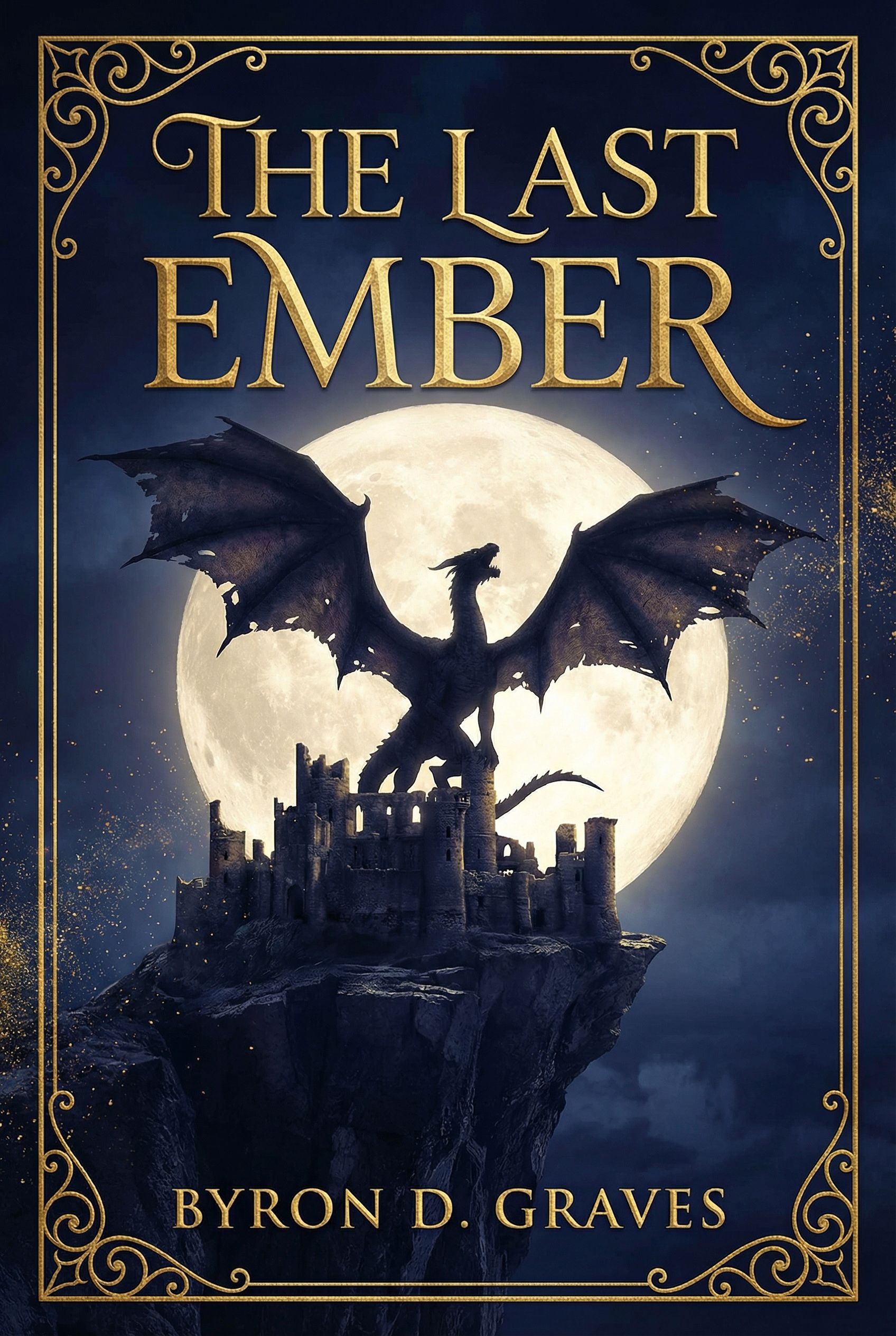
Fantasy
~40s

Romance
~38s
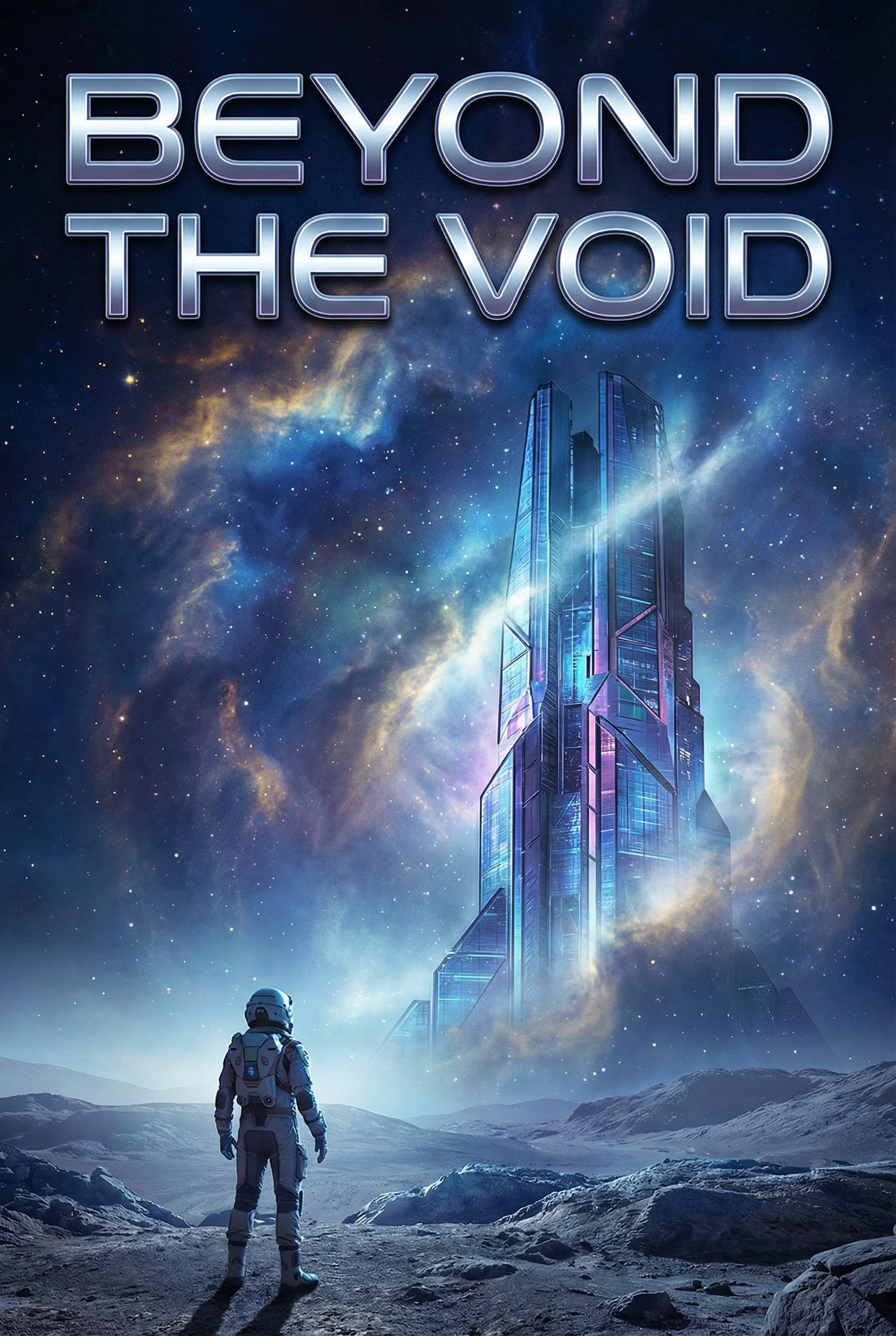
Sci-Fi
~42s
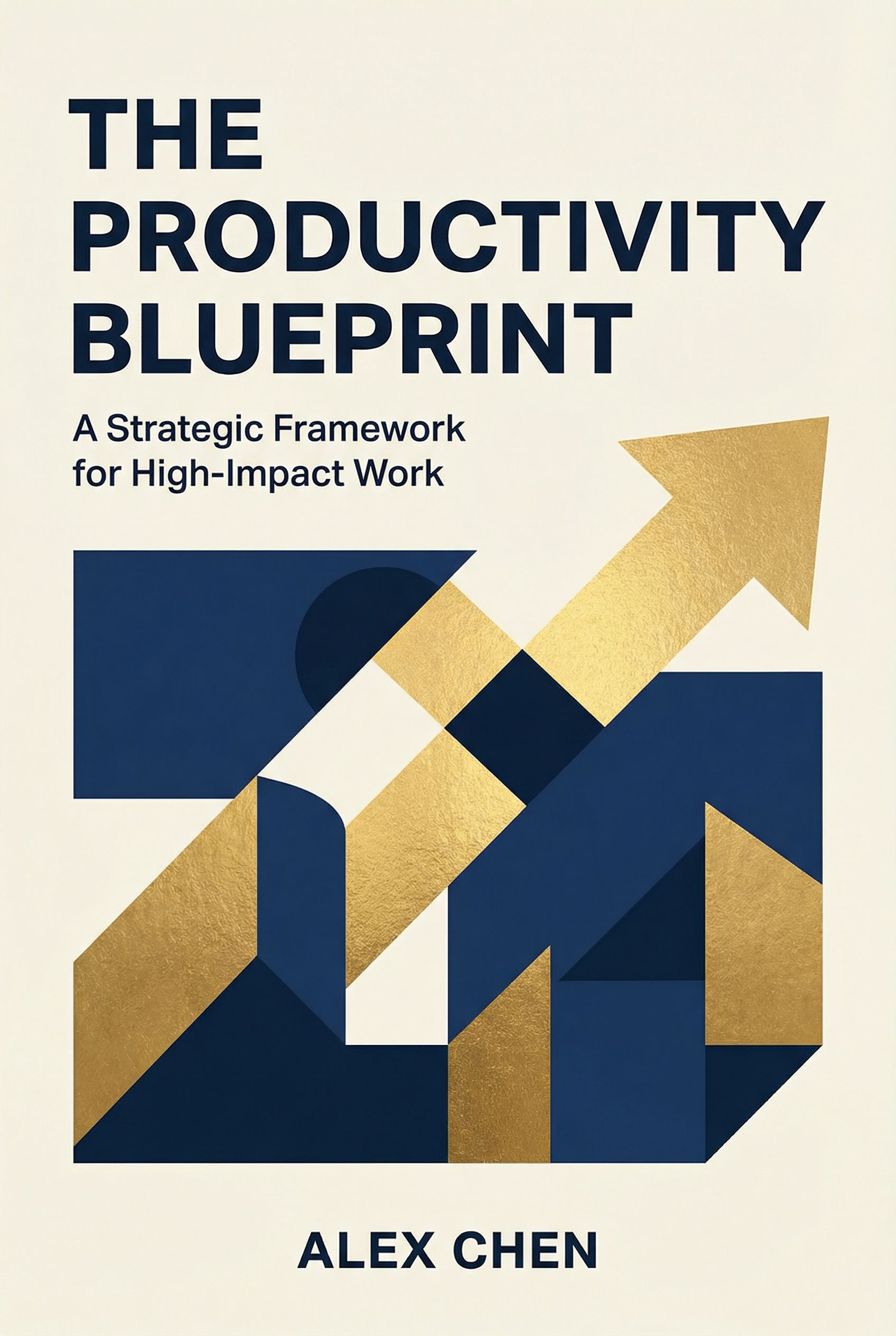
Non-Fiction
~35s
Click any cover to see the prompt used
Book Cover Prompt Tips
- Include your title and author name in the prompt for text placement
- Specify genre conventions (dark for thriller, bright for romance, minimalist for non-fiction)
- Use 2:3 aspect ratio for standard book cover dimensions
Visual Workflow
Character Design & Reference
Maintaining character consistency across an entire book is challenging. AI-generated character sheets give you visual references to consult while writing. Describe your character's appearance, clothing, and personality, and AI creates reference images you can use throughout your writing process. This is especially valuable for fantasy and sci-fi where characters have unique features.
Many authors find that having ai-generated visual references helps during the drafting and revisions process. When you can see your characters, describing them becomes more natural. This visual-first approach has become a key workflow for writers using AI to craft their stories.
Character Reference Sheet
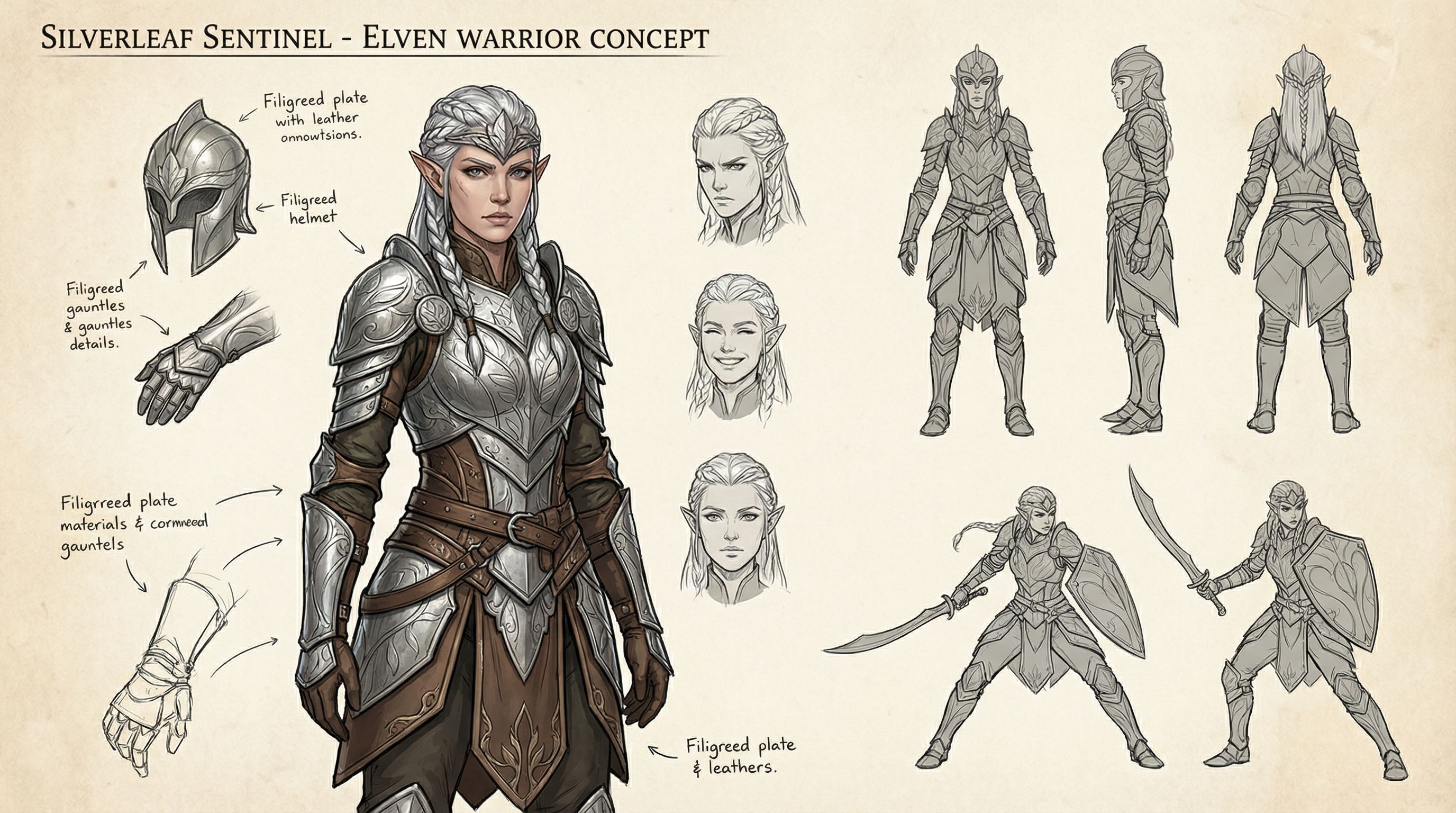
Click to view prompt • ~45s
Character sheets help maintain visual consistency and can inspire descriptive passages. Use them for main characters, villains, and any recurring figures in your story.
Visual Workflow
Interior Illustrations & Scene Art
Illustrated books command higher prices and reader engagement. AI generates chapter headers, scene illustrations, and decorative elements that elevate your book from manuscript to professional publication. Whether you want black-and-white ink drawings or full-color scenes, AI-generated content brings your story to life visually. For more on image tools, explore our best AI image generators guide.
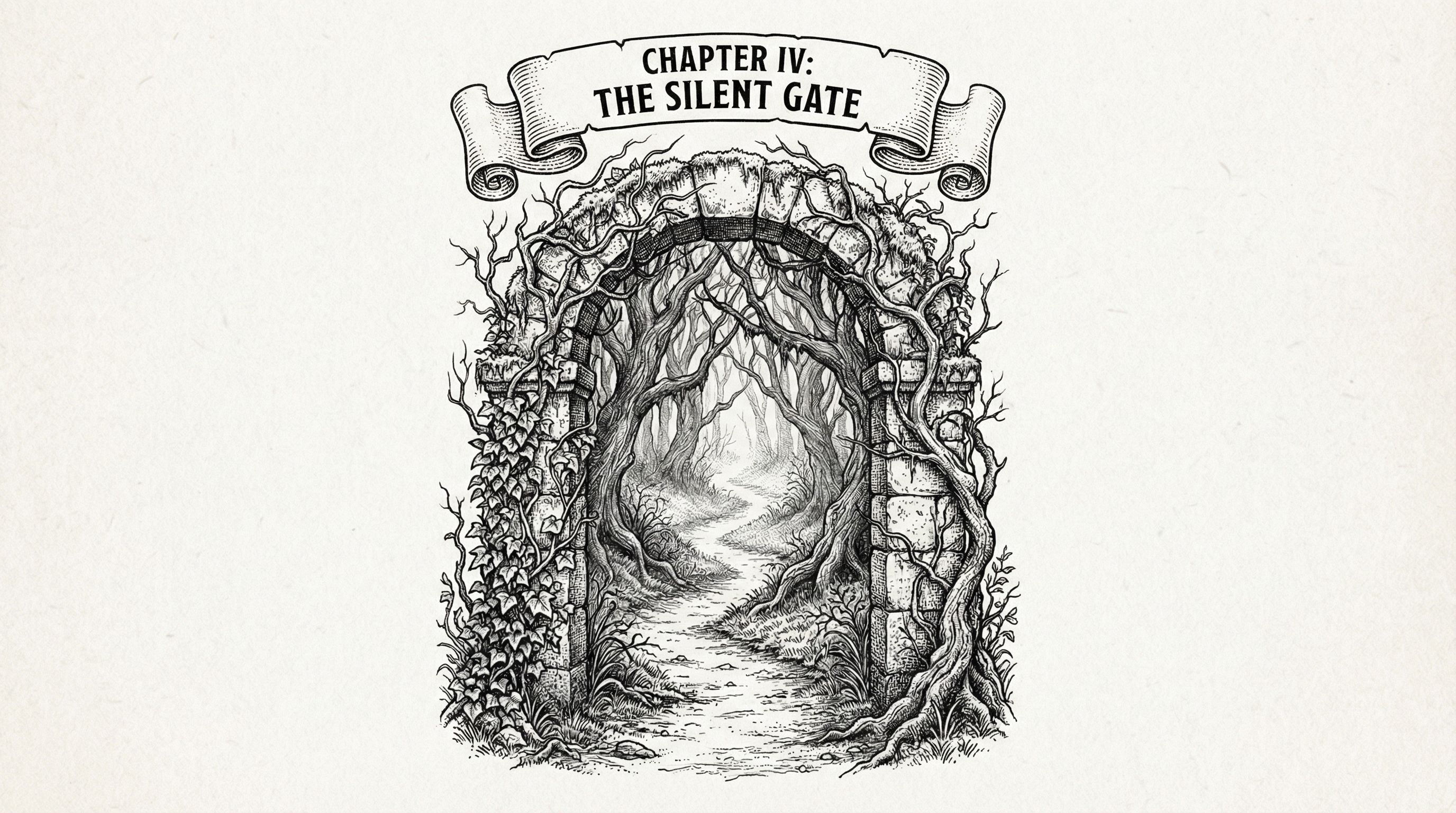
Chapter Header
~40s • Click to view prompt
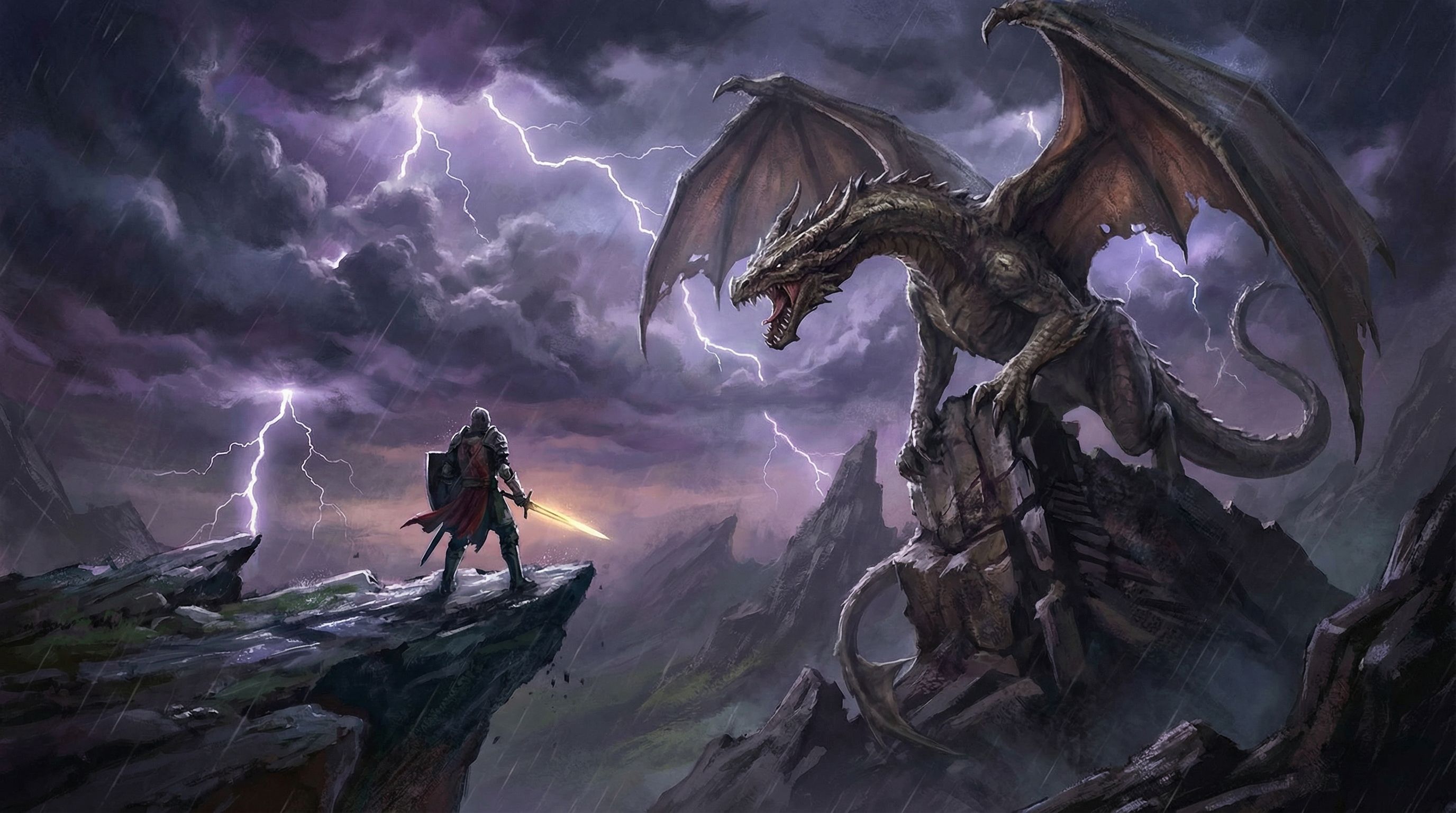
Scene Illustration
~42s • Click to view prompt
Writing Workflow
AI-Assisted Writing Process
Beyond visuals, AI transforms the writing process itself. Use ChatGPT or Claude for brainstorming sessions, developing your book outline, and breaking through writer's block. Sudowrite and Squibler offer specialized AI features for long-form creative writing, including style matching and prose expansion. The key is finding the right workflow that complements your natural writing style.
Brainstorming
Use AI to generate story premises, explore "what if" scenarios, and develop initial concepts. AI excels at rapid ideation.
Worldbuilding
Build consistent fictional worlds with AI help. Generate cultures, magic systems, technologies, and histories that feel cohesive.
Outlining
Structure your entire book with AI-assisted book outline creation. Plan chapters, plot arcs, and character development.
Drafting & Revisions
Get AI suggestions for dialogue, descriptions, and transitions. Use AI for editing passes and consistency checks.
Genre-Specific AI Tips
Fiction (Fantasy, Sci-Fi, Romance)
Focus on worldbuilding prompts, character dialogue generation, and plot twist suggestions. Use AI for consistency checking across your long-form narrative.
Non-Fiction & Screenwriting
Leverage AI for research synthesis, outline templates, and structure suggestions. For screenplays, AI helps with formatting and dialogue pacing.
Making the Most of AI Writing Tools
Start with templates: Most AI writing software offers template structures for different book types. Use these as starting points, then customize based on your creative vision. Templates help beginners understand proper book structure while saving time.
Iterate on outputs: AI-generated content rarely comes out perfect on the first try. Treat initial outputs as rough drafts. The real magic happens when you combine AI suggestions with your own revisions and editing passes.
Maintain your voice: The best AI assistance enhances your unique writing style rather than replacing it. Use AI for heavy lifting like research and structure, but keep your authentic voice in the final prose.
Resources
Best AI Writing Tools
The AI writing software landscape offers tools for every stage of book creation. General-purpose AI like ChatGPT (OpenAI) and Claude work well for beginners, while dedicated platforms like Sudowrite and Squibler offer specialized novel writing features. Google Docs now integrates with Gemini for AI assistance directly in your workflow. For visuals, Vondy's tools handle everything from book cover generation to character illustrations.
AI Writing Tools Comparison
Book Cover Generator
Create professional book covers for any genre with AI image generation.
Try it →Book Illustration Generator
Generate interior illustrations, chapter headers, and scene art for your book.
Try it →Related: For more creative tools, explore our guides on AI for graphic design and AI for small business.
Understanding Pricing for AI Book Tools
Pricing for AI writing tools spans a wide range. Free tiers from ChatGPT and Claude work well for brainstorming and short-form content creation, but serious authors often invest in specialized tools. Sudowrite and Squibler offer monthly plans that include features specifically designed for long-form book writing, including story engines, character databases, and consistency checkers.
For self-publishing authors, the combination of AI writing software plus image generation tools like Vondy can dramatically reduce traditional publishing costs. Professional book covers that once cost $500+ can now be created with AI in minutes, making high-quality publishing accessible to beginners and independent authors alike.
FAQs About Writing Books with AI
Can AI write an entire book for me?
AI can assist with writing books but works best as a co-author rather than sole creator. AI writing tools like ChatGPT, Claude, Sudowrite, and Squibler excel at brainstorming, overcoming writer's block, generating dialogue, and suggesting plot twists. However, your creative vision, voice, and revisions remain essential for a high-quality fiction book or non-fiction work. Think of AI as a powerful writing assistant that streamlines your workflow.
What are the best AI tools for novel writing?
For the writing process itself, Sudowrite and Squibler are purpose-built for long-form creative writing and novel writing. ChatGPT and Claude from OpenAI and Anthropic are excellent for brainstorming, worldbuilding, and research. For visual content like book covers and illustrations, image generation tools like Vondy's Nano Banana Pro create professional results. Many authors use a combination of tools throughout their book creation journey.
How do I use AI for worldbuilding?
AI excels at worldbuilding for fiction. Use prompts like "Help me develop a magic system for my fantasy novel" or "Create a detailed history for this sci-fi civilization." AI can generate consistent lore, develop cultures, create maps concepts, and suggest how world elements affect your plot. Keep a document to track AI-generated content and maintain consistency throughout your entire book.
Can AI help with non-fiction books?
Absolutely. AI assistance is valuable for non-fiction content creation including research synthesis, outline generation, and drafting chapters. AI can help organize complex topics, suggest structure templates, and identify gaps in your argument. For self-publishing authors, AI also handles marketing copy, book descriptions, and social media content. Always fact-check AI-generated content for accuracy.
How much do AI writing tools cost?
Pricing varies widely. ChatGPT and Claude offer free tiers with paid Pro plans around $20/month. Dedicated novel writing software like Sudowrite ranges from $10-29/month, while Squibler offers plans from $16-32/month. For image generation, many tools offer pay-per-image or subscription models. Most beginners can start with free tiers to test AI features before committing to paid plans.
Ready to Start Your Book?
Create professional book covers, character designs, and illustrations with AI.
Generate Your Book CoverContinue Learning